Water Damage Restoration Woodbury, MN
Lower level taking water, a sump that quit or sewage rising at a floor drain? Around-the-clock water damage restoration in Woodbury, MN: standing water extracted, the structure dried to IICRC S500 and every reading logged.
Sewage, burst pipes and flooded lower levels jump the queue at any hour, including weekends and holidays.

What to do while water is still spreading
- Close the main valve Turn the main shutoff clockwise until it stops; it is often on the lowest floor near the water meter.
- Make wet rooms safe Flip breakers for wet rooms off only when the panel and the floor beneath your feet are dry.
- Keep your distance Water near outlets, extension cords, the furnace or the water heater can carry current, so stay out of it.
- Photograph first Pictures of the water, the stained walls and wet belongings help the claim, so take them before cleanup.
- Lift, then call Get rugs, boxes and electronics up high, then call. Every day of delay past the first 24 to 48 hours means more material lost.
Water Damage Restoration Services in Woodbury, MN
Only water and sewage work, from the first extraction to structural drying. Every service below has a page with first steps, cost ranges and how drying is done.
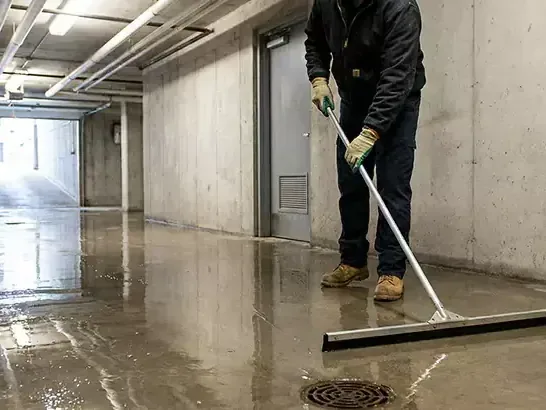 01Water Extraction and RemovalStanding water pulled from carpet, pad and concrete with truck-mounted and portable units before it wicks into the walls.Cat 1 to 3View
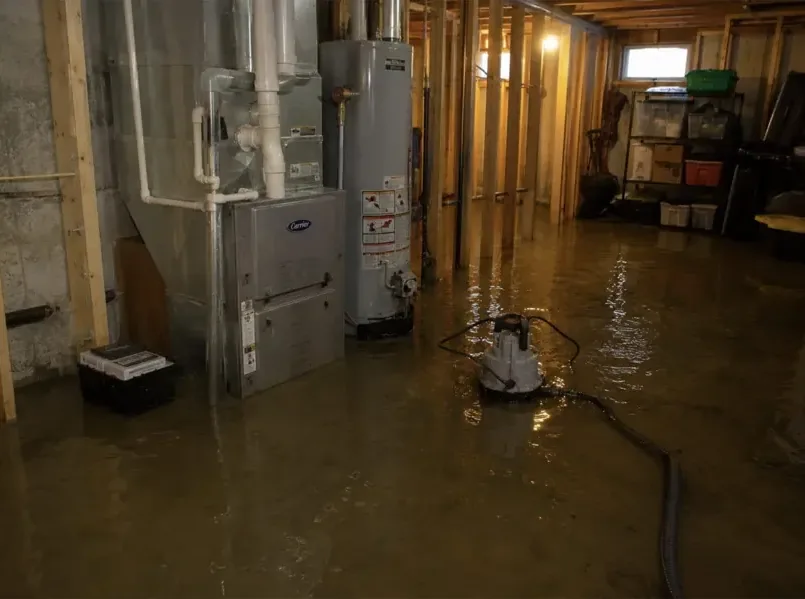 02Basement Flooding CleanupFinished lower levels pumped out, opened only where meters point, and dried until the readings pass.Cat 1 to 3View
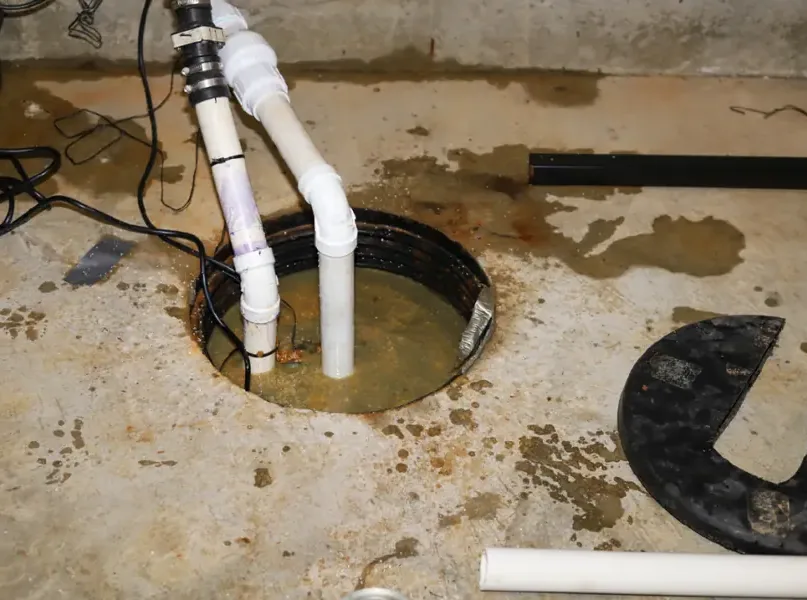 03Sump Pump Failure CleanupA dead pump or a storm power cut lets the pit spill; the overflow is extracted and dried as Category 2.Cat 2View
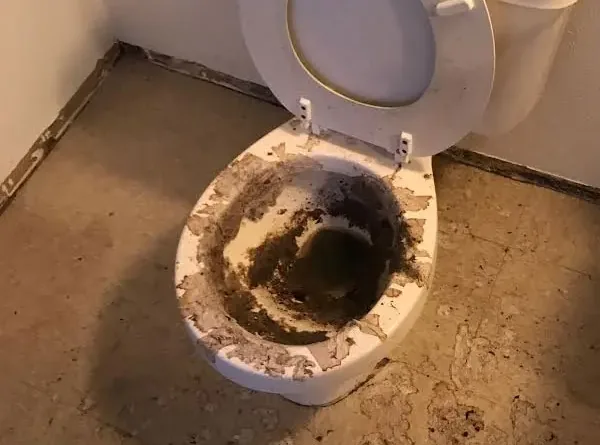 04Sewage Backup CleanupFloor drain and toilet backups contained as Category 3, soaked porous materials removed and surfaces treated.Cat 3View
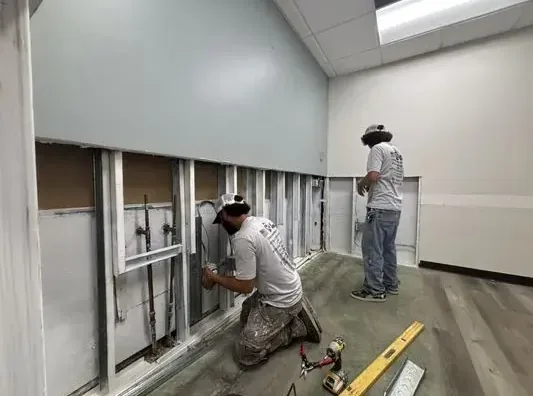 05Frozen Pipe Water DamagePipes split by long freezes in outside walls and garage ceilings, traced with thermal imaging and dried.Cat 1View
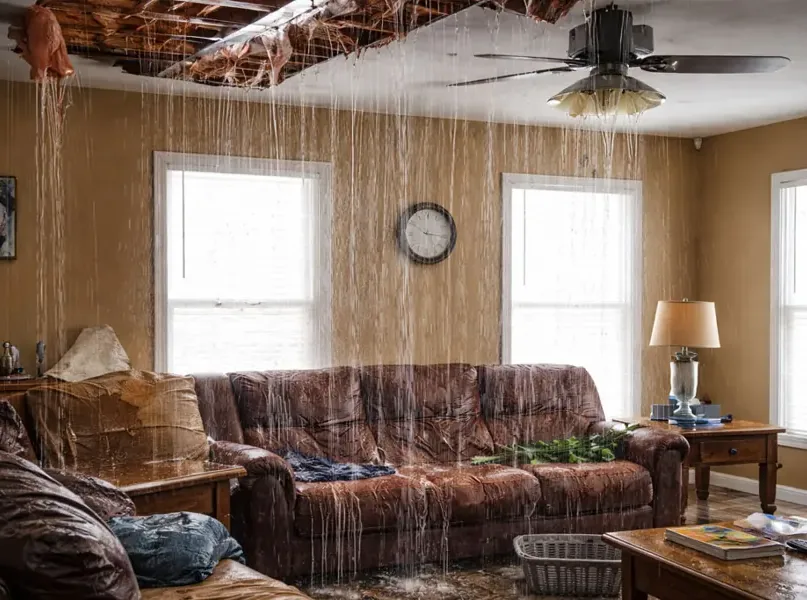 06Burst Pipe Water DamageFailed fittings and supply valves inside walls and ceilings, extracted fast and dried in place where possible.Cat 1View
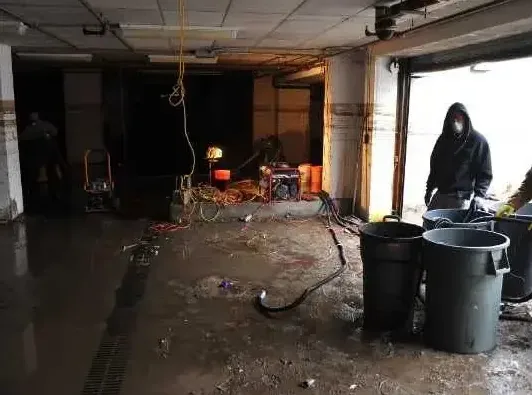 07Storm and River Flood CleanupStorm run-off that gets inside is handled as contaminated water, mucked out, treated and dried.Cat 3View
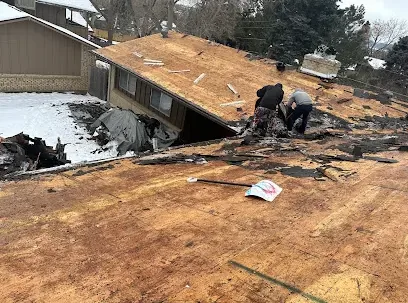 08Roof Leak and Ice Dam Water DamageIce dams and wind-driven rain that soak attic insulation and top-floor ceilings, dried once the roof is fixed.Cat 1 to 2View
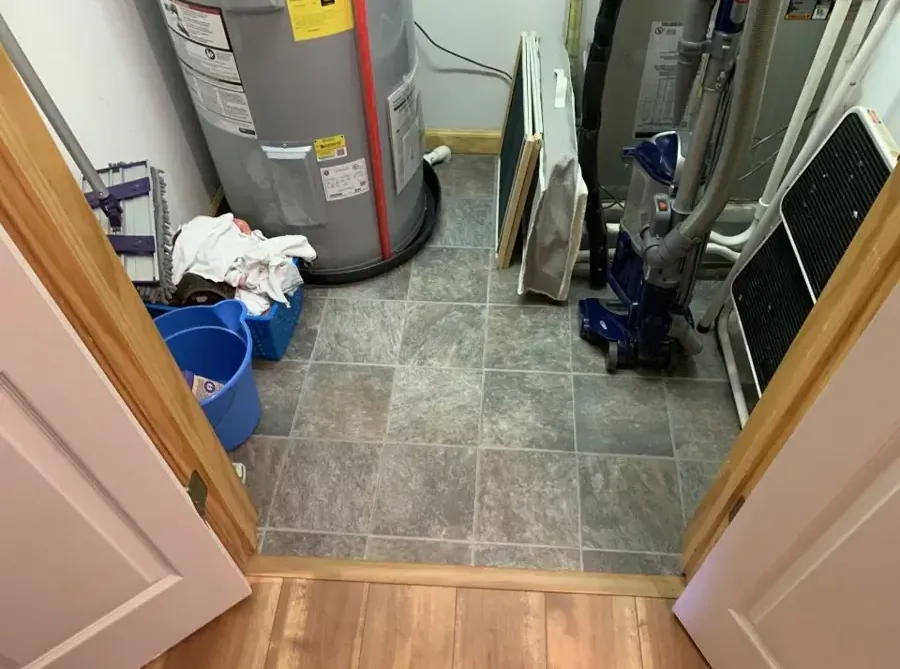 09Water Heater Leak CleanupA failed tank emptied onto the utility room floor, extracted before the carpet next door soaks through.Cat 1View
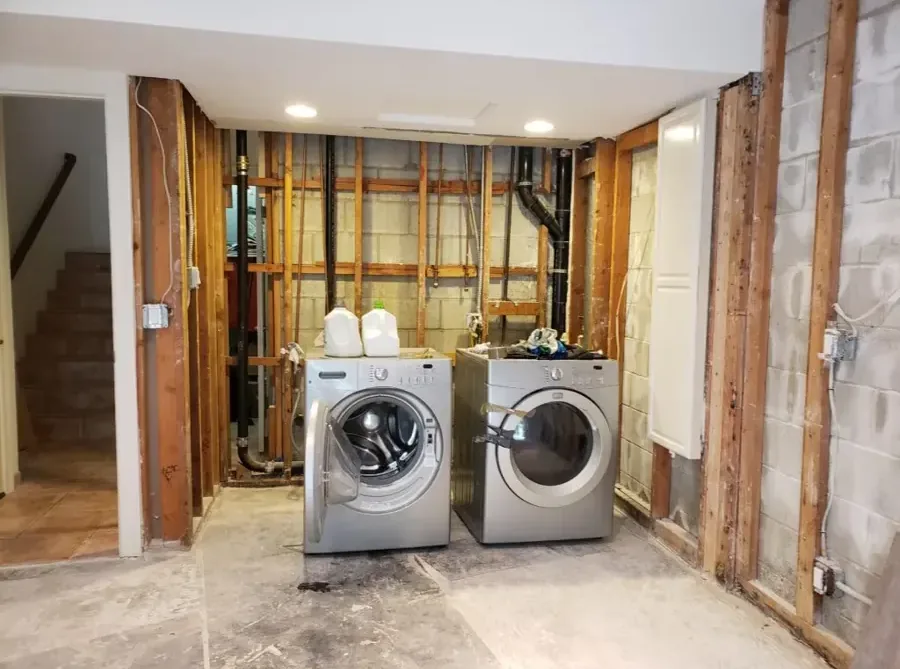 10Appliance and Supply Hose LeaksWasher hose, ice maker and dishwasher leaks found with meters and dried under floors and cabinets.Cat 1 to 2View
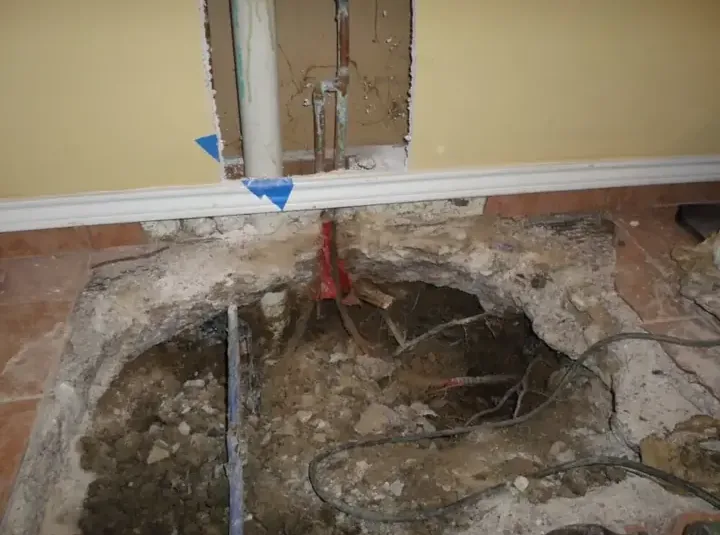 11Slab and Under-Floor Leak Water DamageLeaks under a concrete floor or in a heated floor loop mapped, flooring lifted and the slab dried.Cat 1View
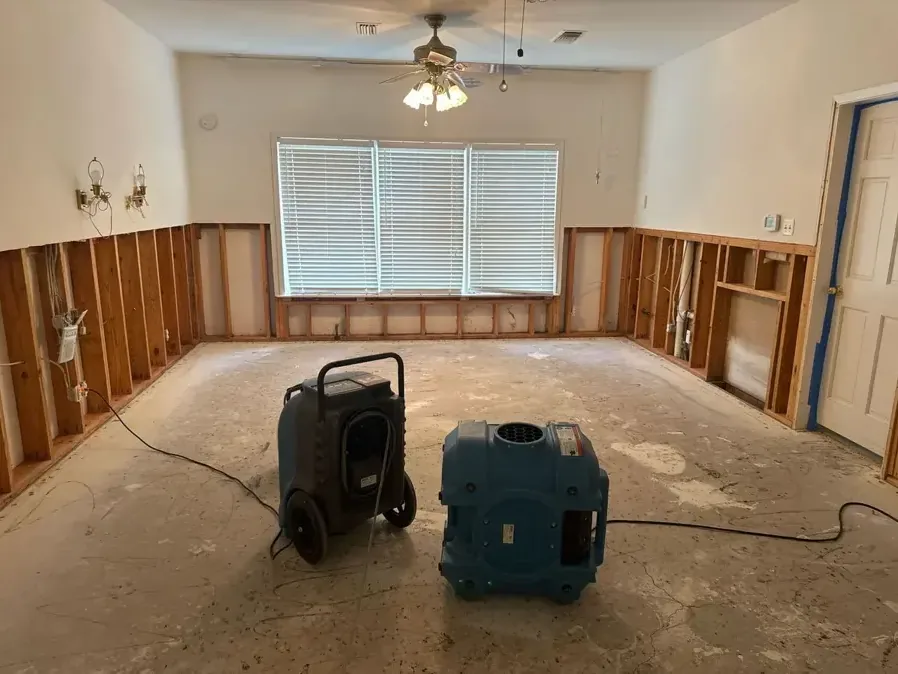 12Structural Drying and DehumidificationFraming, subfloor and concrete dried to within 2 to 4 points of a dry reference, logged daily.AllView
Run the numbers first
Three planning tools sized for basements, ramblers and river-town lots.
Source still a mystery?
Say what got wet and where it showed first. The source decides the drying plan.
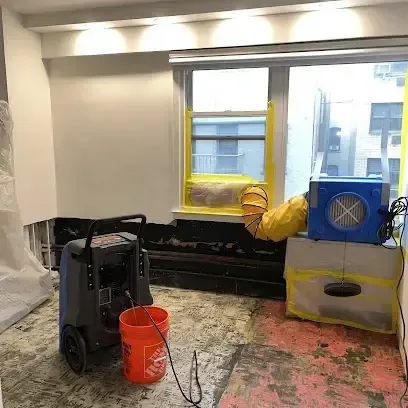
Restoration planned around the lower level, where water collects
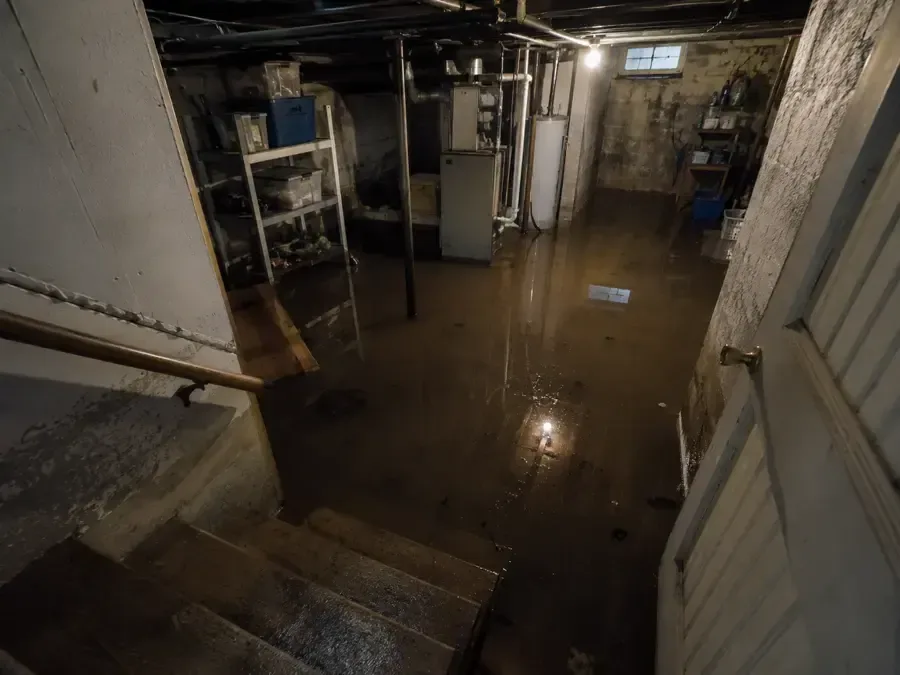
Water always heads for the lowest floor of a house. On the way it soaks into carpet pad, climbs drywall by wicking and settles into the wood plates at the base of each wall.
Round-the-clock dispatch
The response team dispatches day and night across ZIP 55125 and 55129, and active water is treated as urgent at any hour.
IICRC S500 drying
Structural drying checked with meters every day, so equipment comes out on readings and never on a guess.
Claim-ready records
Moisture maps, daily psychrometric logs and timestamped photos, in the order an adjuster checks a water claim.
Stormwater-aware planning
A city drained by ponds, wetlands, lakes and creeks means the crew checks whether outside water is part of the loss.
Drying held to the IICRC S500 method
S500 is the published industry method for drying water-damaged buildings. The first visit fixes the category and class of the loss, and daily readings follow until every wet material meets the drying goal.
- 01Assess
Moisture mapping
Pin and pinless meters plus a thermal camera mark which drywall, pad, framing and subfloor hold water before a single machine is placed.
- 02Remove
Extraction
Truck-mounted and portable units draw standing water off the floor and out of the pad, and the category and class are written into the file.
- 03Dry
Air movers and LGR
Each room gets air movers and low-grain refrigerant dehumidifiers sized to how much water it has to give up, checked daily.
- 04Verify
Dry verification
Machines are pulled only after wet materials hit the drying goal; concrete, hardwood and plaster need the most time.
The drying goal: wet materials read within 2 to 4 points of a dry reference material in the same building. Equipment leaves on readings, not on a schedule.
Every category of water damage, clean to black
The category is set on the first visit, and it decides what dries in place and what comes out.
Category 1, clean water
Water from a supply pipe, a water heater or an appliance hose. If drying begins early, pad, carpet and drywall often stay.
Burst pipe water damageCategory 2, gray water
Overflow from a sump pit or a washer drain. The pad it soaks is normally pulled, and hard surfaces are cleaned first.
Sump pump failure cleanupCategory 3, black water
Sewage and floodwater from outside. Anything porous it reached is taken out, then the area is treated and dried.
Sewage backup cleanupWhat does water damage restoration cost in Woodbury, MN?
For a clean-water leak, extraction plus drying typically comes to $1,300 to $6,800. Lower levels with wet drywall tend to run $4,000 to $11,000, and sewage or outside floodwater sits higher since soaked porous materials are removed.
- Up to two rooms
- Water pulled, rooms dried
- Equipment for 3 to 5 days
- Pad and carpet calls
- Drywall opened by readings
- Drying for 4 to 7 days
- Porous items removed
- Antimicrobial treatment
- Dried for rebuild
Four things move the number most: the water category, how much floor area got wet, the material class and how quickly drying began. Equipment days and removal add to the total. Open the cost calculator for a closer planning range.
Records built for the claim file
An insurer decides a water claim from what is documented. That record starts at the first visit with readings, dated photos and an itemized scope.
Read your own policy
Policies tend to treat a sudden pipe failure one way and surface or flood water another, and flood water needs flood coverage. Sewer backups often need an added endorsement.
Every policy differs, so phone the insurer early and hold on to receipts and photos.
- Moisture readings mapped room by room at the start
- A daily log of temperature, humidity and moisture
- Dated photos taken before anything is removed
- The water category and class written down
- An itemized scope that adjusters can follow
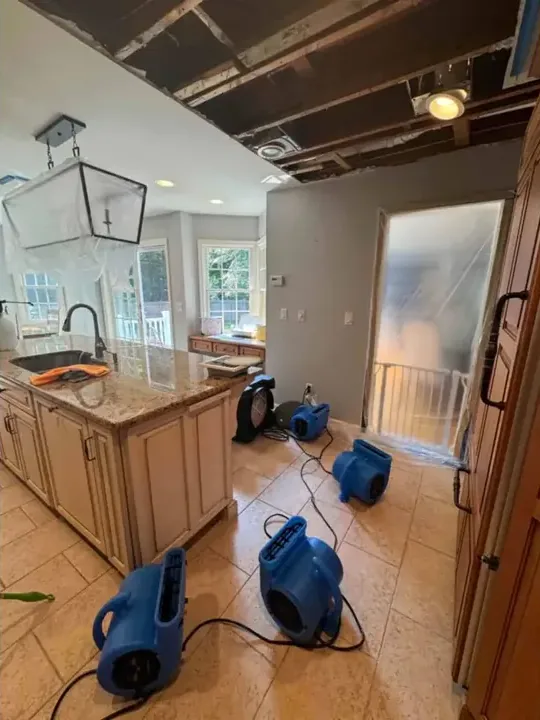
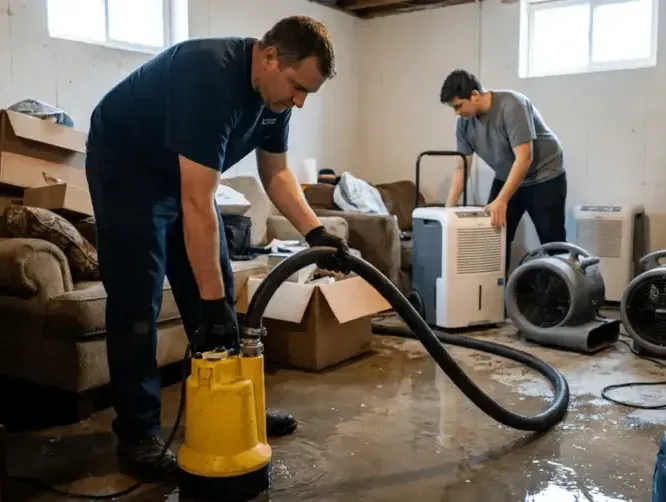
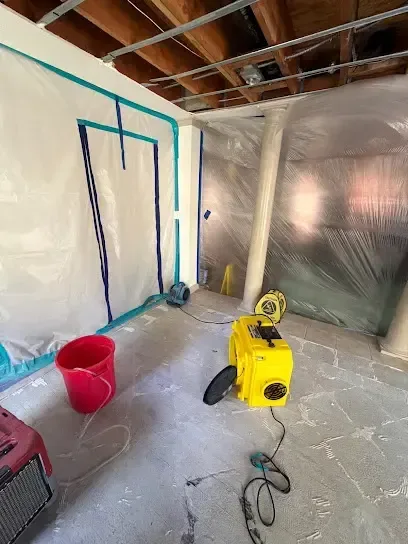
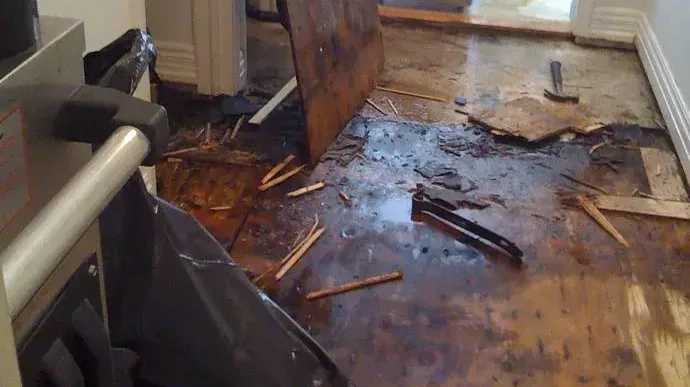
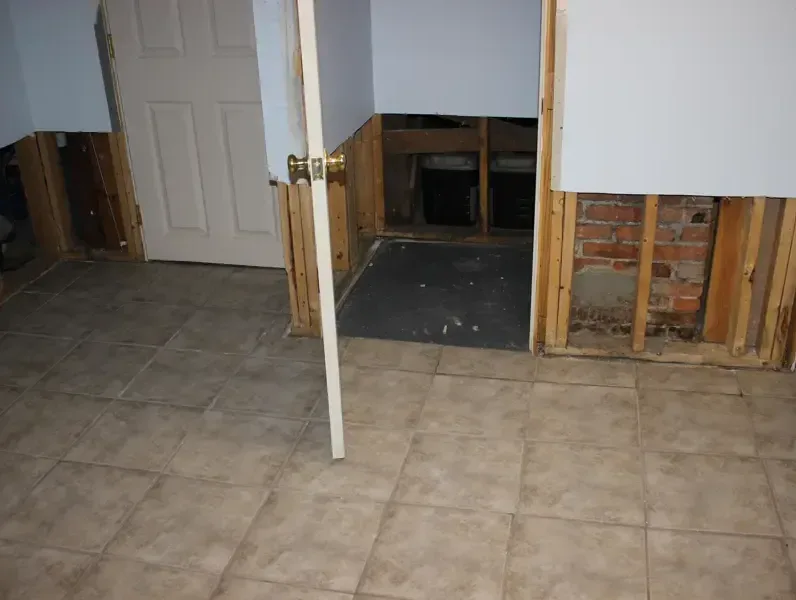
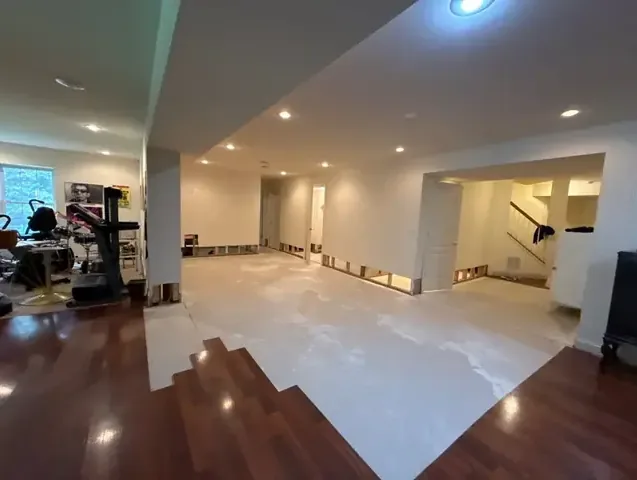
Drying equipment at work, from the first extraction to the last reading
Neighborhoods, ZIP codes and nearby communities around Woodbury, MN
Neighborhoods and corridors
Dancing Waters Stonemill Farms Bailey Lake Eagle Valley Powers Lake Colby Lake Wilmes Lake Carver Lake Valley Creek Road Radio Drive Tamarack Village
ZIP codes
Nearby communities
Cottage Grove, MN Inver Grove Heights, MN Mendota Heights, MN Hastings, MN
One call reaches a water damage crew in Woodbury, day or night
From Dancing Waters and Stonemill Farms to Bailey Lake, Eagle Valley and the streets around Tamarack Village, the restoration team covers both ZIP codes here at any hour.
Describe which rooms and which floor are wet and where the water came from, and the right pumps, air movers and dehumidifiers arrive with the crew.
Water damage risks in a city of lakes, ponds and creeks
Here the risk comes from a city drained by lakes and ponds, from long winters and from how much of a home sits on its lowest floor. Storms, pumps and pipes all send water downward.
2025 run-off project A 2025 local news report described stormwater basins and rain gardens meant to treat run-off from Fish Lake before it reaches Powers Lake.
- Lakes, ponds and wetlands. The city stormwater system runs through catch basins, storm sewers, ponds, wetlands, lakes, creeks and ditches, and it also carries run-off from Afton, Lake Elmo and Maplewood.
- A protected creek watershed. The northeast corner of the city drains to Valley Creek, one of the few remaining trout streams in the Twin Cities area, which flows to the St. Croix River at Afton.
- Finished lower levels. A 2026 local real estate overview describes many Stonemill Farms homes as having finished lower levels, which puts carpet, drywall and framing where under-floor leaks and water collect.
- Long freezes. Winters across the Twin Cities bring extended freezing weather, and a pipe in an unheated wall cavity can split during a cold spell and then leak when it thaws.
- Pumps and lift stations. The city Utility Division runs the sanitary sewer and its lift stations, and the East Woodbury L77 facility pumps wastewater to the regional sewer, so a backup can start in a home drain or the wider system.
Woodbury water damage questions, answered
How quickly can a crew reach a home in Woodbury?
Crews are dispatched at any hour, and a home with active water moves to the front. Travel time depends on traffic, weather and the number of open jobs, so begin the first steps while you wait.
Is water damage covered by a homeowners policy?
Coverage turns on where the water came from. A sudden pipe break is often included, water from outside generally needs a separate flood policy, and sewer backups usually need an endorsement. Your own policy has the final word.
How can a homeowner check the flood zone of an address?
FEMA flood maps and the Minnesota DNR flood map tools both show the flood zone for a specific address. A flood zone affects flood insurance, not how a water loss inside the home is dried.
How many days does drying take?
Three to five days covers most clean-water jobs. Concrete floors, hardwood and plaster hold water longer, and structural drying machines stay until the daily readings meet the goal.
What does IICRC S500 mean on a water job?
It is the published industry method for water damage restoration. It lays out how to inspect, assign a water category and class, extract, dry and confirm dryness, so framing and subfloor are dried, not only what you can see.
What helps most before the crew gets there?
Close the main valve, switch off power to wet rooms if the panel is dry, avoid standing water near outlets and the furnace, take photos, and lift rugs, boxes and electronics up high.
Does wet drywall always have to be cut out?
No. Drywall hit by sewage or outside floodwater is removed, but clean-water drywall often dries in place when work starts quickly. Board that swelled, or wet insulation behind it, means a cut above the water mark.
What makes sewage cleanup different from other water?
Sewage is Category 3 and carries bacteria. Crews work in protective gear, take out soaked carpet, pad and drywall, clean every surface, apply an EPA-registered antimicrobial and only then start drying.
Where can a sewer backup start?
The city Utility Division runs the sanitary sewer and its lift stations, so a backup can begin in the home's own drain or further out in the system. A plumber checks the home drain first, then sewage backup cleanup follows.
How is a water damage bill calculated?
The water category, the floor area that got wet, the material class and the time before drying began drive the total. Equipment days, removal and antimicrobial add to it, and the scope is set on site.
Water still moving in the house?
If the main can be closed safely, close it, stay clear of outlets and call. The restoration team walks the household through each next step.
Water in a Woodbury home right now? The drying crew is ready around the clock.
Extraction, structural drying to the IICRC S500 standard and claim records, day or night, in 55125 and 55129.