Water Damage Restoration in Hastings, MN
Standing water from a river rise, a stalled sump pump or a split supply pipe is pumped out first, and wet drywall, flooring and framing are then dried to a measured finish.
Work covers ZIP 55033, from downtown streets to East Hastings and the homes closest to the river.

What to do when water gets into the house
- Stop the source Shut off the main valve if a pipe is the source, or close the valve behind a leaking appliance.
- Cut the power Turn off breakers for wet areas and do not walk through standing water near cords, panels or appliances.
- Look at the drains Floor drains and other low openings are checked first, and a plugged drain keeps floodwater out of the sanitary sewer.
- Photograph everything Wide and close photos of wet rooms, damaged items and the water source help the insurance claim later.
- Call for extraction A crew can pump the water out, take meter readings and set drying equipment before wet drywall and flooring start to break down.
Services for every kind of water loss
Each service below covers one kind of water loss, from a stalled sump pump to river water at the foundation, with its own steps and cost ranges.
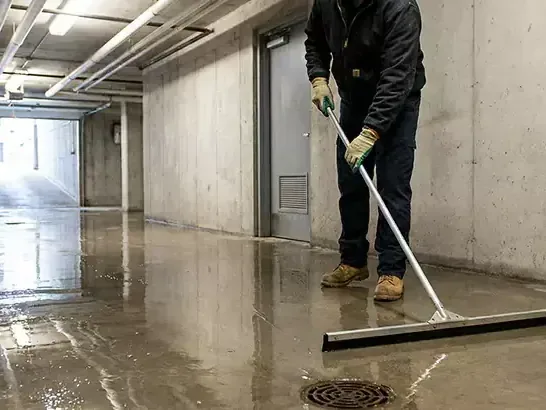 01Water Extraction and RemovalPumps and wet vacuums pull standing water off floors before any drying equipment goes in.Cat 1 to 3View
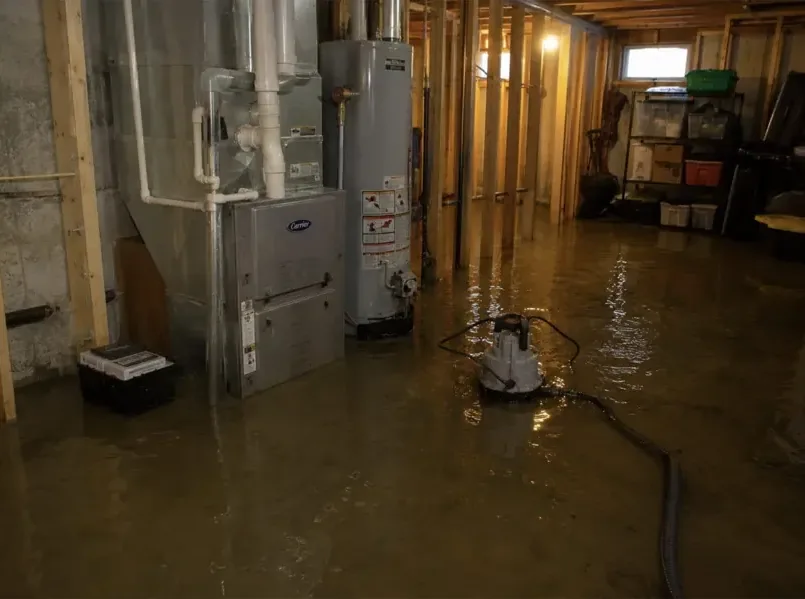 02Basement Flooding CleanupCleanup of flooded basements, from the floor drain to the stair landing, including wet drywall and carpet.Cat 1 to 3View
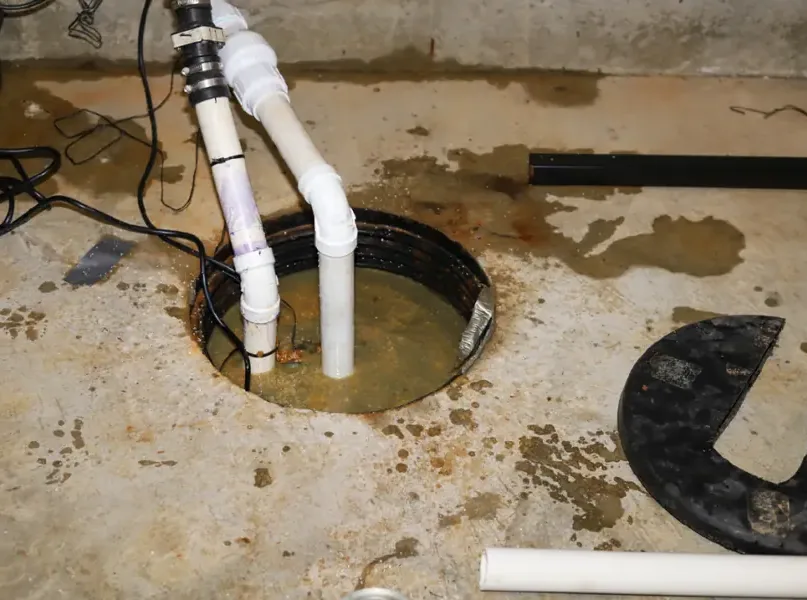 03Sump Pump Failure CleanupA stalled or overwhelmed sump pump leaves the pit area wet first, then the rest of the floor.Cat 2View
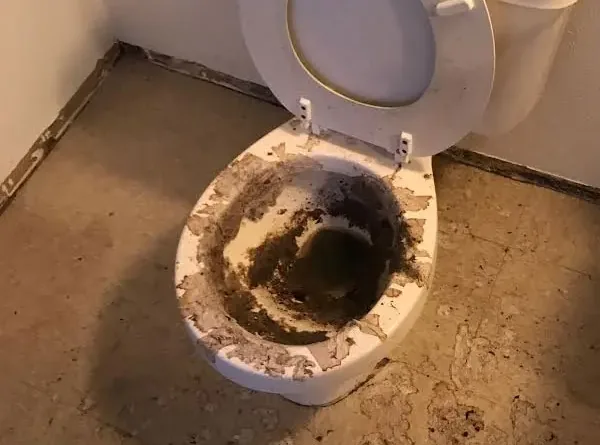 04Sewage Backup CleanupSewage that rises through a drain is removed with protective gear, and affected materials are cut out and disinfected.Cat 3View
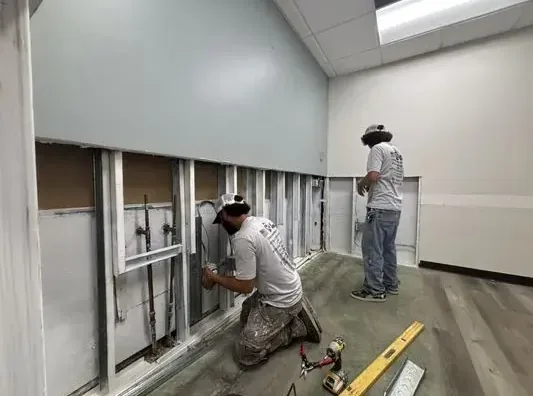 05Frozen Pipe Water DamageWater from a pipe that froze and split is stopped, then the soaked wall cavity is dried.Cat 1View
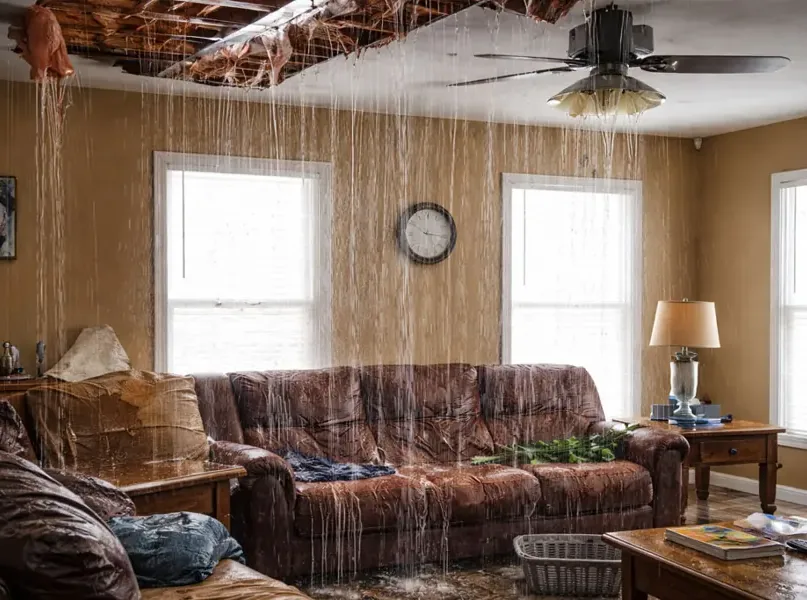 06Burst Pipe Water DamageA burst supply pipe sends water through ceilings and floors, so the shutoff comes first and drying follows.Cat 1View
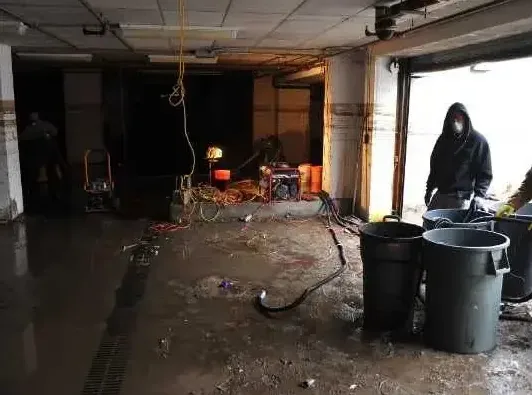 07Storm and River Flood CleanupRiver water, snowmelt and heavy rain that reach a house are pumped out and the structure is dried.Cat 3View
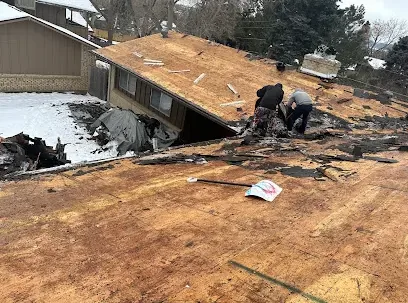 08Roof Leak and Ice Dam Water DamageRain or ice dam melt that gets past the roof is traced down through the attic, ceiling and walls.Cat 1 to 2View
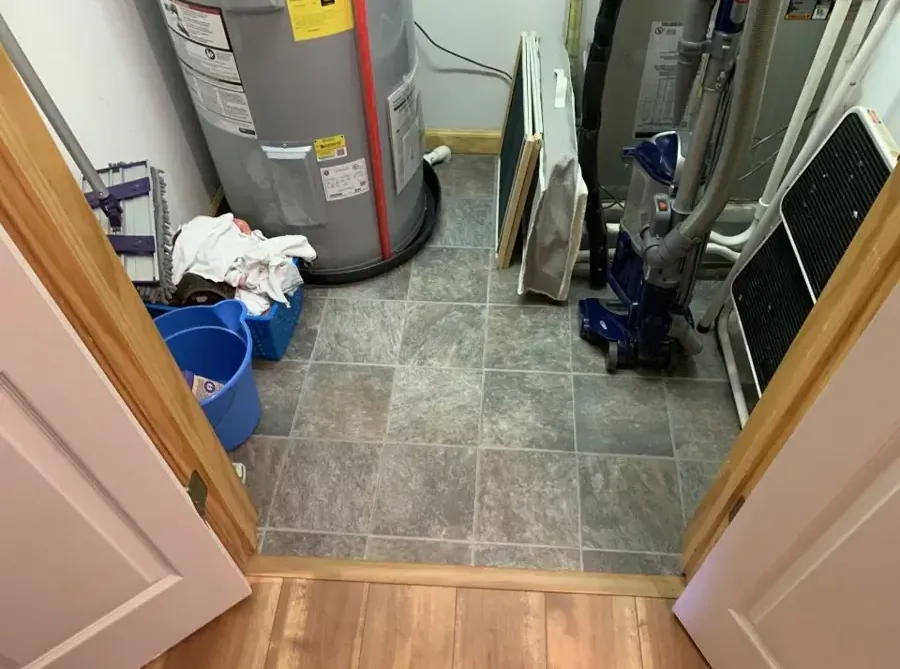 09Water Heater Leak CleanupA leaking tank floods the utility room and creeps into neighboring floors until it is pumped out and dried.Cat 1View
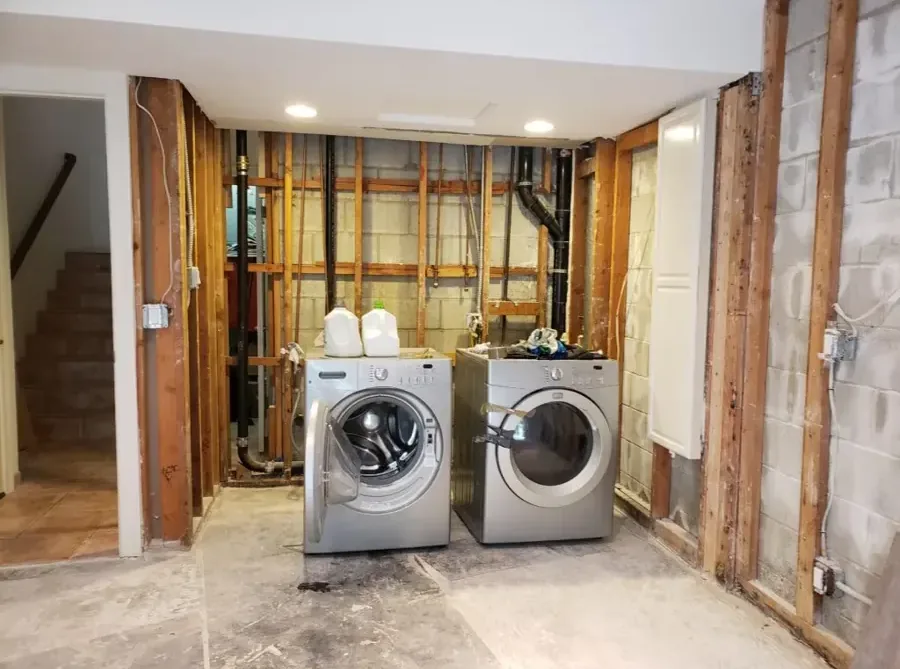 10Appliance and Supply Hose LeaksWasher, dishwasher and refrigerator supply hoses fail quietly, so hidden moisture behind cabinets gets checked.Cat 1 to 2View
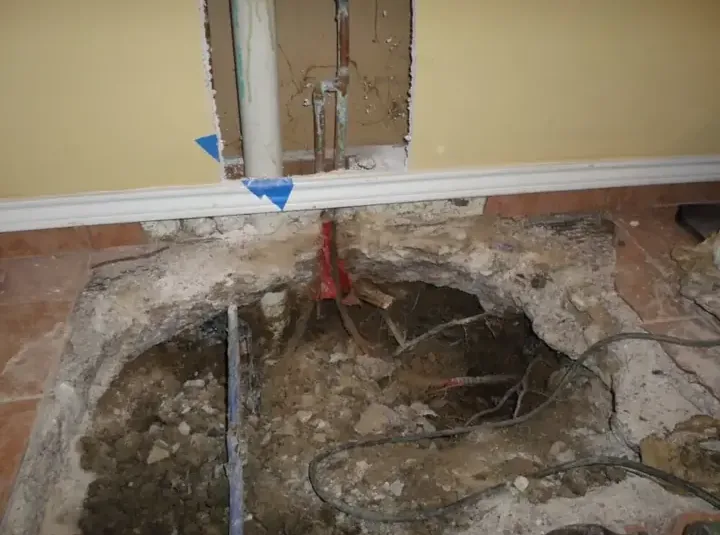 11Slab and Under-Floor Leak Water DamageA leak under the floor surfaces as damp flooring, and the wet material is lifted and dried.Cat 1View
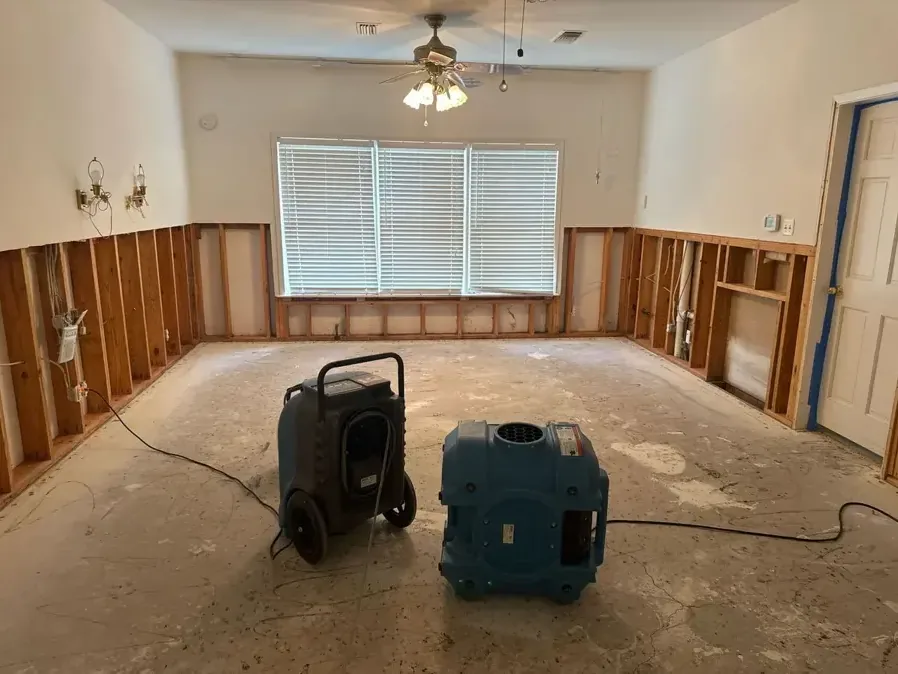 12Structural Drying and DehumidificationAir movers and dehumidifiers dry framing, subfloor and drywall until readings reach the dry standard.AllView
Run the numbers first
Three planning tools sized for basements, ramblers and river-town lots.
Source still a mystery?
Say what got wet and where it showed first. The source decides the drying plan.
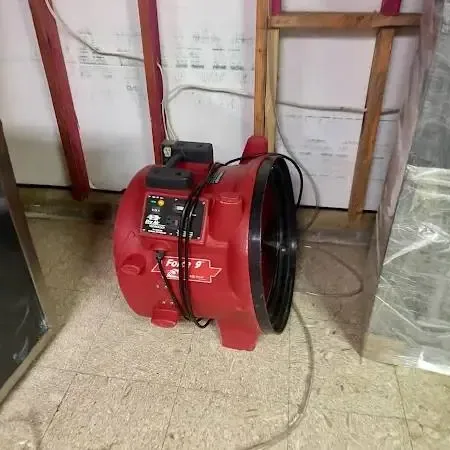
Water work that follows the moisture, not a schedule
Every job starts with meter readings, and equipment stays until the framing, subfloor and drywall read dry. Notes and photos go into the file for the insurance adjuster.
Measured drying
Moisture meters and thermal checks locate wet material that looks dry, so nothing is closed up on a guess.
Clear cost ranges
Printed ranges for each loss type let a homeowner compare the estimate against typical work before agreeing.
Water and sewage only
The work stays on water and sewage, so the crew and equipment are matched to the loss.
Plain communication
The crew explains what is wet, what comes out and how long the equipment will run before work starts.
A drying standard written down before work starts
The crew documents the starting conditions, removes what cannot be saved and keeps equipment running until readings reach the dry standard for each material. Nothing is covered up while any reading is high.
- 01Assess
Assess
Meters and a thermal camera map the wet areas, the water category and which materials can be saved, with photos taken before anything is moved.
- 02Remove
Extract
Pumps and wet vacuums take off standing water, then wet carpet pad and soaked insulation are removed and bagged.
- 03Dry
Dry in place
Air movers and dehumidifiers run on a layout set from the readings, and the settings are changed as the walls dry.
- 04Verify
Verify and close
Final readings are logged against the dry standard, the equipment is pulled out, and the paperwork goes to the owner and the insurer.
The drying goal: wet materials read within 2 to 4 points of a dry reference material in the same building. Equipment leaves on readings, not on a schedule.
Three water problems that start in different places
The category is set on the first visit, and it decides what dries in place and what comes out.
Burst and frozen pipes
A split pipe in a cold wall or ceiling can soak two levels before a stain shows, so the shutoff comes first.
Burst pipe cleanupSump pump failures
When the pump stalls during snowmelt or a wet June, the pit overflows first and the floor around it follows.
Sump pump cleanupSewage backups
Wastewater pushed up through a floor drain or toilet is a contamination job, handled with protective gear and disposal.
Sewage backup cleanupWhat does water damage restoration cost in Hastings, MN?
Extraction plus drying usually runs $1,300 to $6,800, a finished lower level with clean water runs $4,000 to $11,000, and contaminated water on a finished level runs $8,000 to $22,000.
- Standing water pumped out
- Air movers and dehumidifiers
- Meter readings until the structure reads dry
- Flooring and drywall assessed
- Wet insulation and carpet pad removed
- Drying equipment set and logged
- Sewage or river water
- Porous materials discarded
- Cleaning, disinfecting, drying
Final pricing depends on square footage, how long the water sat, the materials involved and whether contamination is present. A written estimate follows the first round of moisture readings at the property. Open the cost calculator for a closer planning range.
Getting the water damage claim ready
A claim file is stronger when the water source, the damage and the drying are documented from the first visit. The checklist below covers what to gather.
Policy questions to ask
Policies treat a sudden pipe break, a river flood and a sewer backup differently, so the adjuster should be told the exact source of the water.
Coverage decisions belong to the insurer, and the crew limits its part to documenting the work done.
- Photos of the water and every damaged item
- The cause, such as a pipe, pump or river
- A list of damaged furniture and belongings
- Receipts for any emergency repairs
- The drying log and final moisture readings
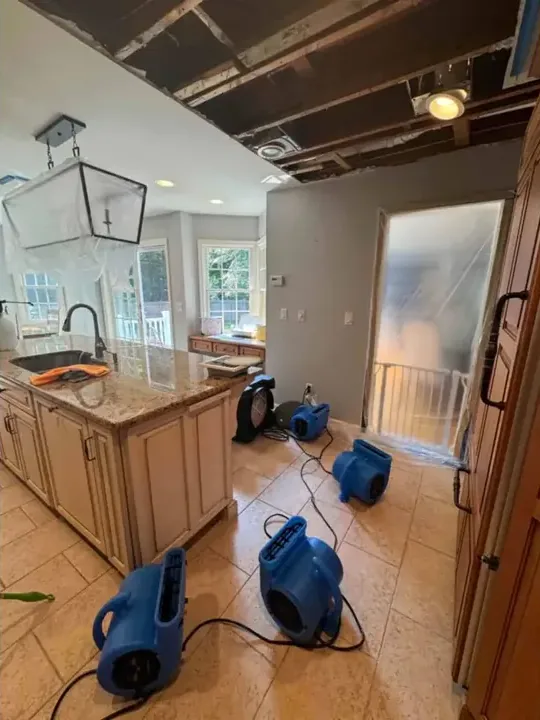
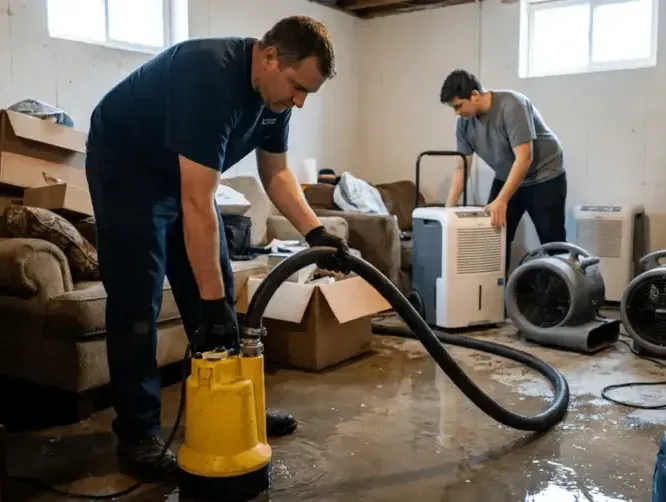
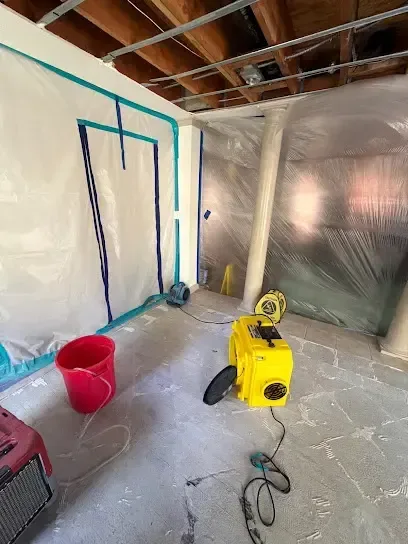
What water damage restoration work looks like on site
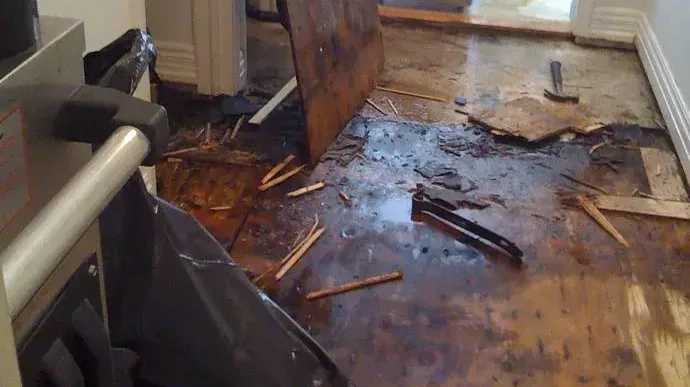
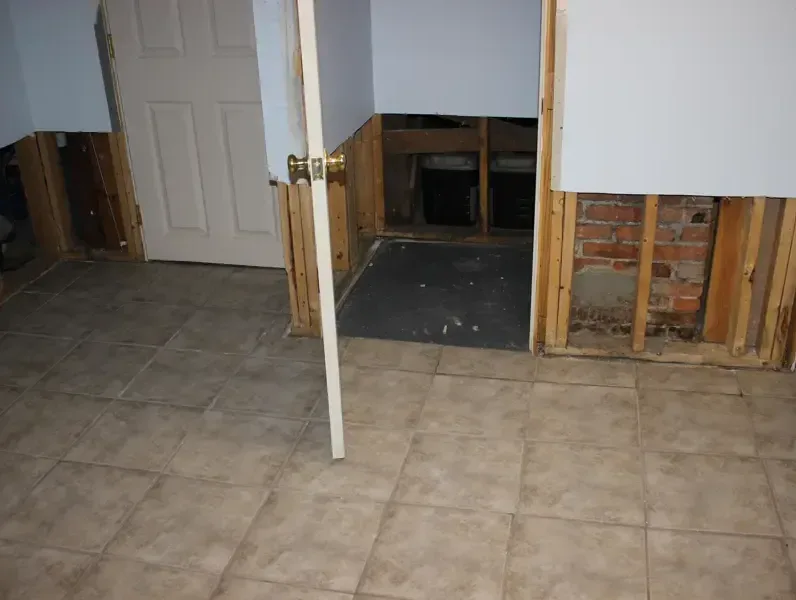
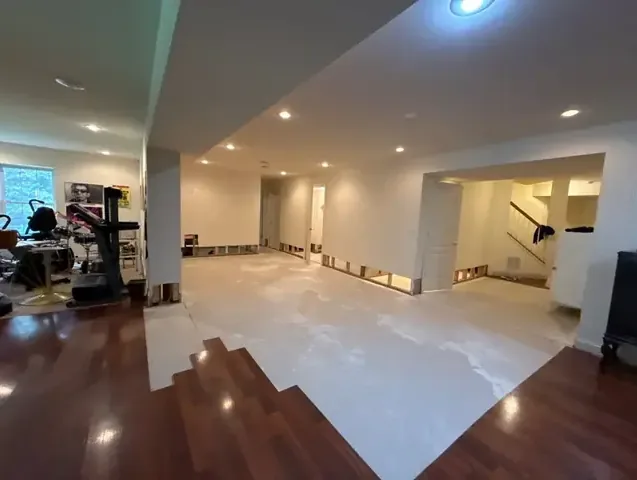
Where the crew works in Hastings, MN
Streets and corridors
Downtown Hastings East Hastings Vermillion Street Minnesota Highway 55 Minnesota Highway 316 Lock and Dam Road Levee Park Jaycee Park First Street East Fourth Street
ZIP code served
Nearby cities served
Cottage Grove, MN Rosemount, MN Inver Grove Heights, MN Woodbury, MN
Coverage from downtown to the river and beyond
The service area covers the whole city, from downtown Hastings to East Hastings, along Vermillion Street and Minnesota Highways 55 and 316.
Homes near the Mississippi, the Vermillion River and Lake Rebecca face the river risk, and any house with a failed pump, split pipe or sewer backup gets the same drying standard.
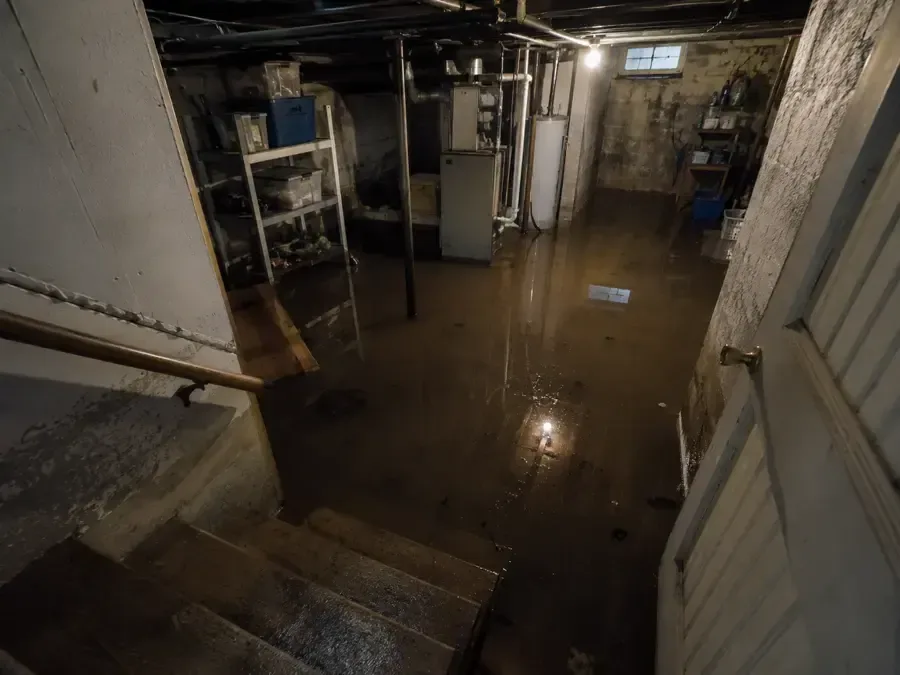
How rivers, rain and cold test homes in Hastings
The Mississippi forms most of the city's northern border, the Vermillion River runs through the south, and city staff follow National Weather Service forecasts at Lock and Dam No. 2 during spring snowmelt.
April 2023 The Mississippi reached major flood stage on April 20, and the city asked First Street residents to plug floor drains so river water stayed out of the sanitary sewer.
- Record river crests The Mississippi crested at 25.9 feet on April 17, 1965, the highest on record, and 250 families were evacuated in the city that year.
- Repeat spring floods Later crests reached 22 feet in April 2001 and 19.49 feet in 2019, and the river hit major flood stage again in April 2023.
- First Street exposure City research found residences on First Street could be affected at 17.7 feet, a little above the 17 foot moderate flood stage the city engineer described.
- Access roads underwater East Fourth Street went under water in April 2023, and the city laid temporary gravel on the private easement East Hastings residents use for access.
- Wet summers and hard freezes Around 33.33 inches of precipitation fall in a year, June is the wettest month at 4.94 inches, and the January mean low is 5.7 degrees Fahrenheit, so pumps and supply pipes both get tested.
Water damage questions in Hastings
How fast should water be removed after a flood or leak?
As soon as it is safe, because wet drywall, flooring and framing start to break down while water sits. Pumping comes first, and drying equipment follows right after the standing water is gone.
When does the Mississippi threaten homes here?
Spring snowmelt is when the river rises, and the city engineer has said forecasts depend on how fast snow melts, how quickly frost leaves the ground and any added rain or snow.
What should be done about a floor drain during a flood?
In April 2023 city staff spoke with residents along First Street to confirm floor drains were plugged, so floodwater would not enter the sanitary sewer. Drains are the first low opening to check.
Is a sump pump failure always a small cleanup?
It depends on how long the pit overflowed. Caught early, the job may be extraction and drying of an unfinished floor, while a long overflow into a finished level can mean flooring and drywall removal. The full cost breakdown is under sump pump failure cleanup.
What happens when sewage backs up through a drain?
Sewage is contaminated water, so the crew wears protective gear, removes porous materials it touched and disinfects the surfaces that stay. The sewer pipe itself is a matter for a plumber or the city's Public Works. Details are under sewage backup cleanup.
Why do pipes split when the weather turns cold?
Supply pipes in outside walls and unheated spaces are the most exposed. January's mean low of 5.7 degrees Fahrenheit and February's 8.7 make freezes a regular risk, and the split often shows only after thawing.
Does a roof leak count as water damage?
Yes. Rain or ice dam melt that gets under the roof wets insulation, ceilings and walls, and the moisture often travels well past the stain. A moisture scan finds where it went. See roof leak and ice dam water damage.
How long do drying machines usually run?
Most jobs run several days, but equipment stays until readings in each material reach the dry standard. Thick framing, wet insulation and a humid June can all stretch that.
Is the work limited to water and sewage?
Yes. The crew handles water and sewage losses only, from river water and failed pumps to split pipes and backups, so equipment and methods stay matched to the problem.
Can a homeowner clean up river water alone?
Small amounts of clean water, yes. River water and sewage carry contamination, and hidden moisture in walls and subfloors needs meters to find, so larger losses need a trained crew.
Not sure what to do next?
Describe where the water came from and which rooms are wet, and the crew can explain what extraction and drying would involve.
Water on the floor in Hastings? Call now, any hour
Tell the crew where the water came from and which rooms are wet, and next steps follow.