Inver Grove Heights, MN Water Damage Restoration
Leaks, failed sump pumps, sewage backups and storm water can soak a Dakota County home fast. The crew extracts standing water, dries framing and floors, and records the damage for the insurance claim.
Scope and cost follow the size of the wet area and the category of water, set on site.
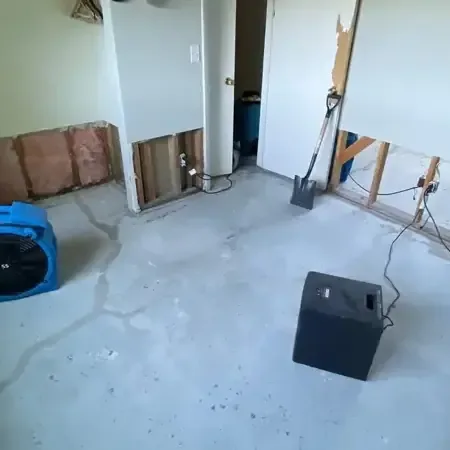
What to do when water gets into a home
- Stop the source Shut off the main water valve for a leak, and stay out of rooms with wet outlets.
- Call for help Call now, any hour. The crew asks what happened, what is wet and what the water touched.
- Save belongings Lift small items, rugs and electronics out of the water, and leave heavy furniture in place.
- Document the loss Take photos and video of the water, the damaged items and the affected rooms before anything is cleared out.
- Start extraction early Extraction and drying begin once the source is stopped, because water left sitting keeps soaking into framing and floors.
Water and sewage services for local homes
Each service below has its own page. The crew handles water from burst pipes, failed pumps, roofs, appliances, storms and sewers, then dries what stays wet.
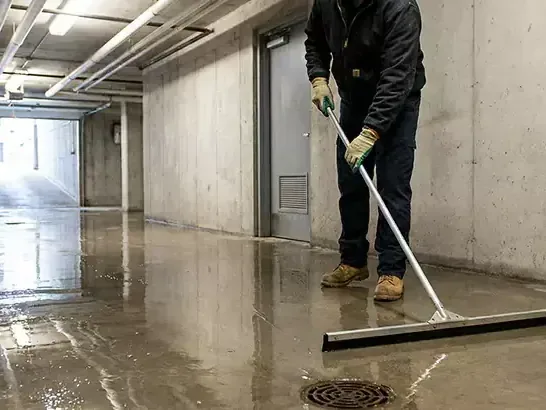 01Water Extraction and RemovalPumps, wet vacuums and extraction tools pull standing water off floors and out of carpet before drying starts.Cat 1 to 3View
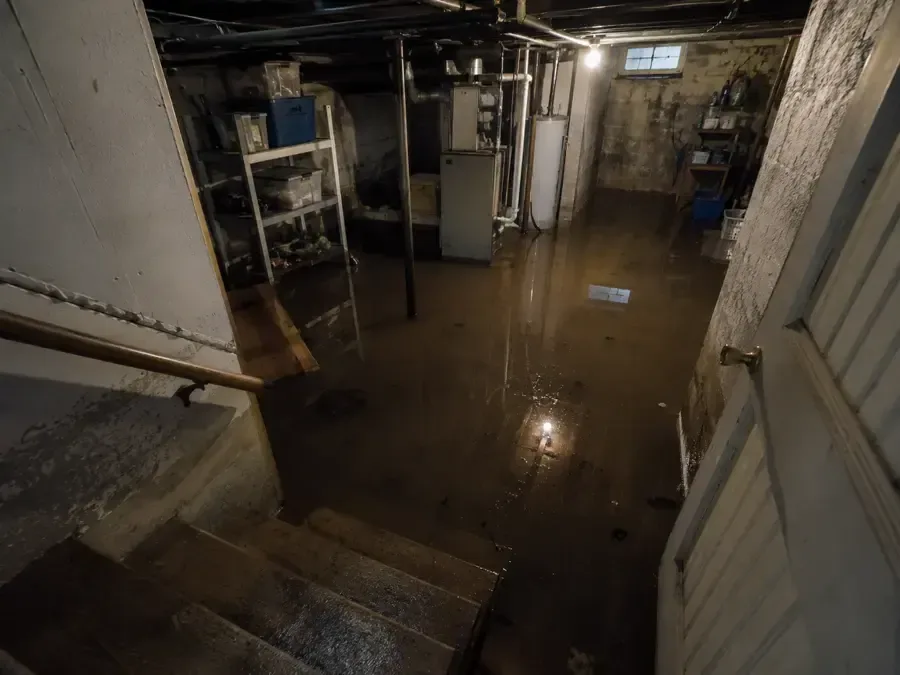
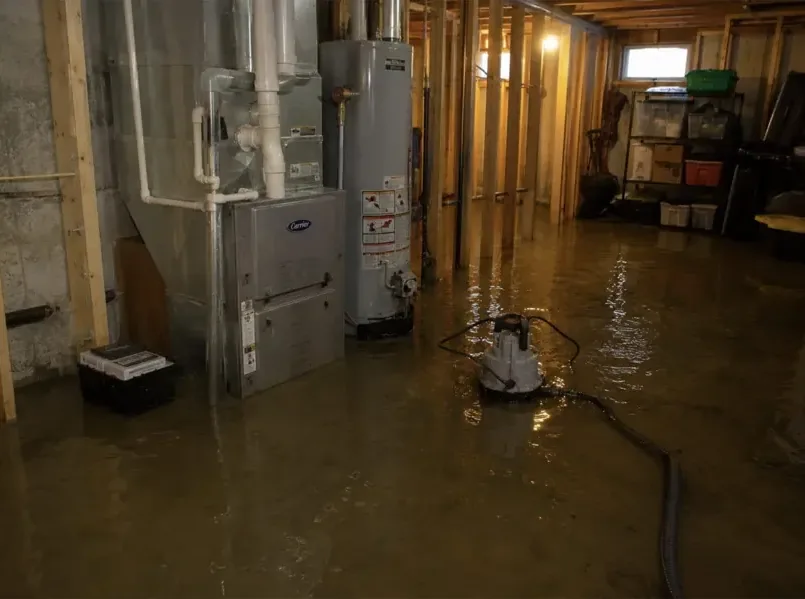 02Basement Flooding CleanupWater on a lower level is removed, the structure is dried and finished areas are checked for hidden moisture.Cat 1 to 3View
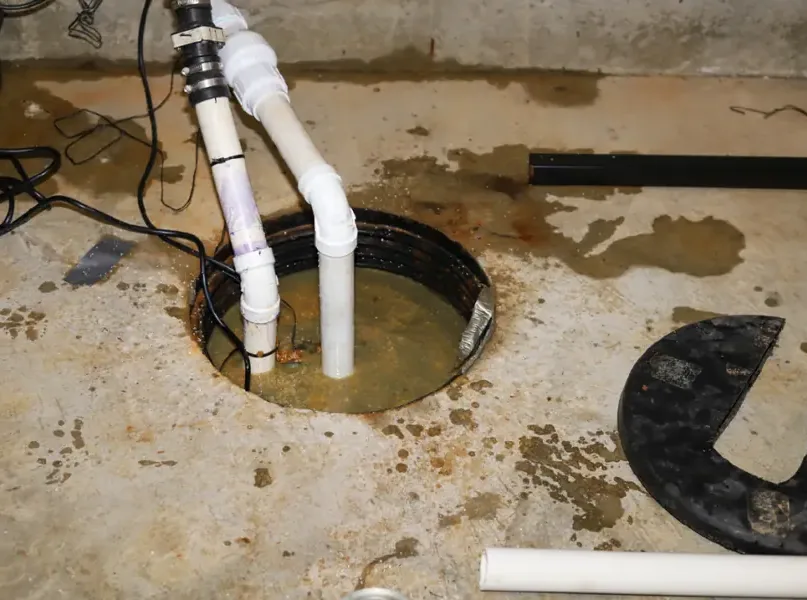 03Sump Pump Failure CleanupWhen a sump pump quits and the pit overflows, the crew extracts the water and dries the area.Cat 2View
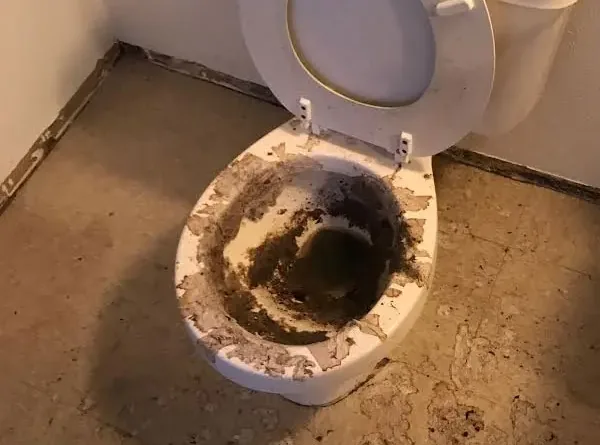 04Sewage Backup CleanupSewage backups are contained, removed and sanitized, and the affected materials are dried or taken out.Cat 3View
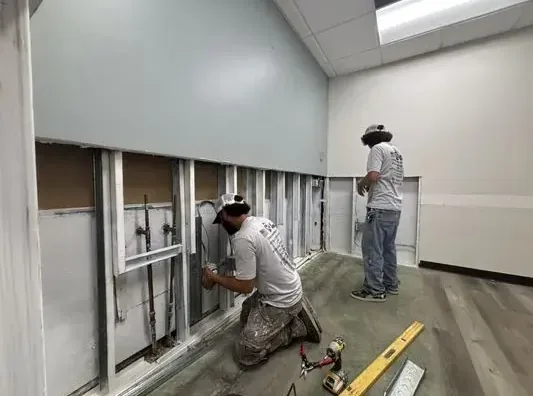 05Frozen Pipe Water DamageA split frozen pipe floods a cavity from the inside, so walls and floors are opened and dried.Cat 1View
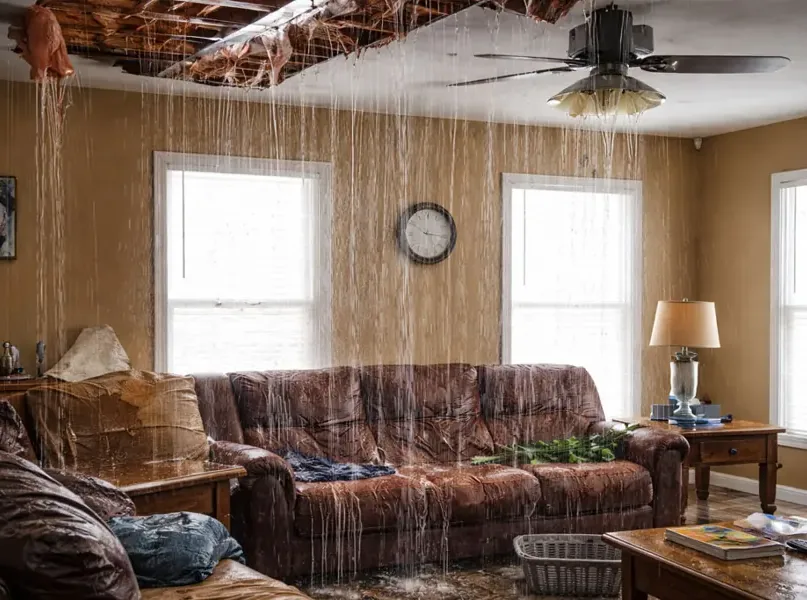 06Burst Pipe Water DamageAfter a burst pipe is shut off, the wet rooms are extracted and dried from ceiling to subfloor.Cat 1View
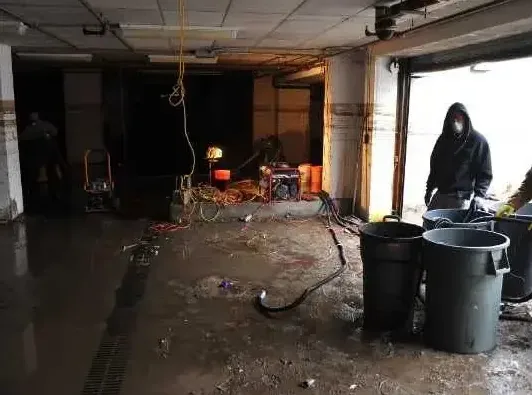 07Storm and River Flood CleanupStorm run-off and river water are pumped out, the debris is hauled off and the structure is dried.Cat 3View
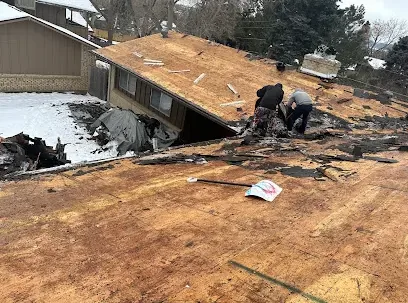 08Roof Leak and Ice Dam Water DamageRoof and ice dam leaks are traced to their entry point, then wet insulation, ceilings and walls are dried.Cat 1 to 2View
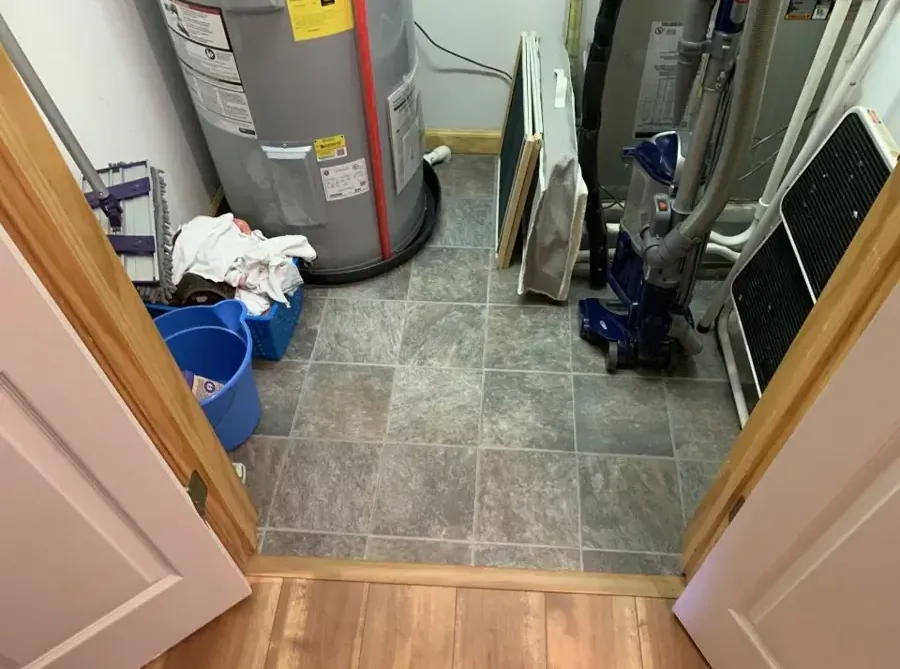 09Water Heater Leak CleanupA leaking tank is shut off and drained, then the wet utility area and nearby rooms are dried.Cat 1View
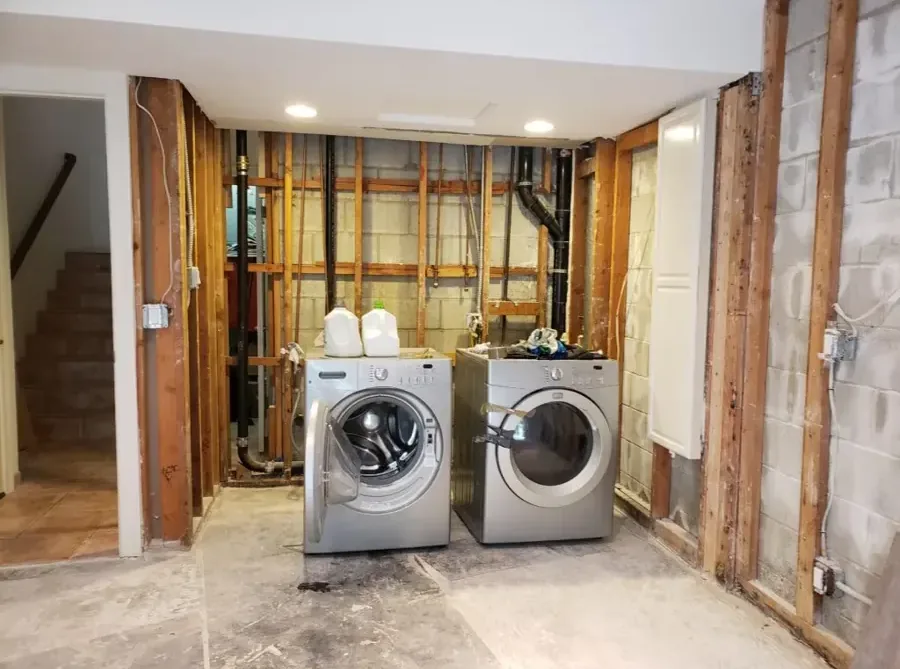 10Appliance and Supply Hose LeaksWasher, dishwasher and refrigerator leaks are stopped at the source, then floors and cabinets are dried.Cat 1 to 2View
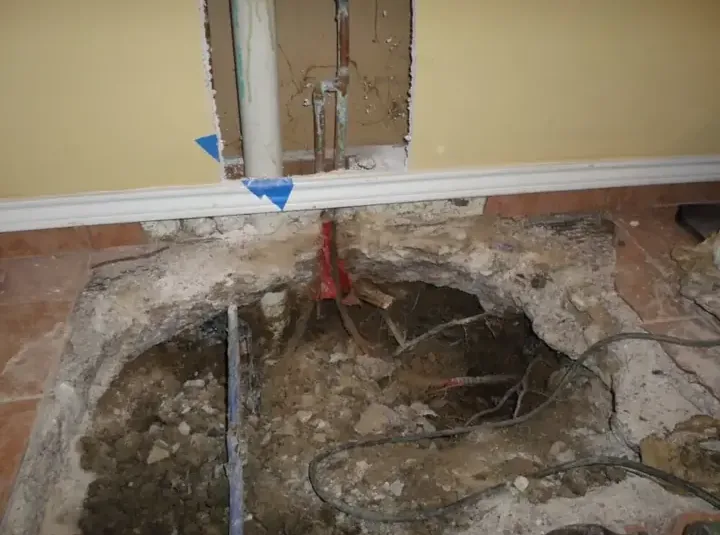 11Slab and Under-Floor Leak Water DamageA suspected leak under a floor is checked on site, and wet flooring and subfloor are dried.Cat 1View
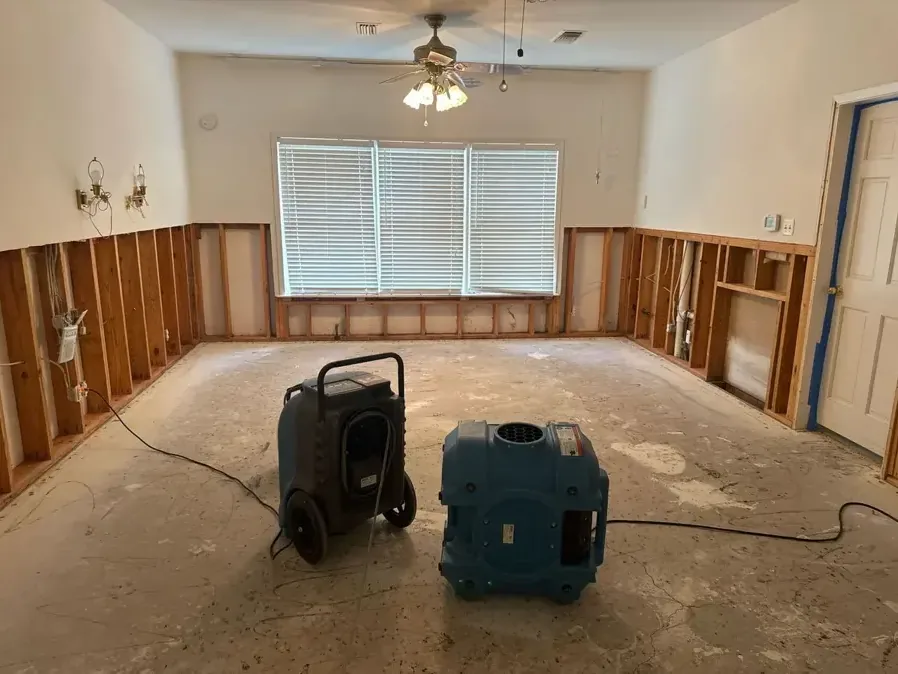 12Structural Drying and DehumidificationAir movers and dehumidifiers pull moisture out of framing, subfloors and walls until readings come back dry.AllView
Run the numbers first
Three planning tools sized for basements, ramblers and river-town lots.
Source still a mystery?
Say what got wet and where it showed first. The source decides the drying plan.
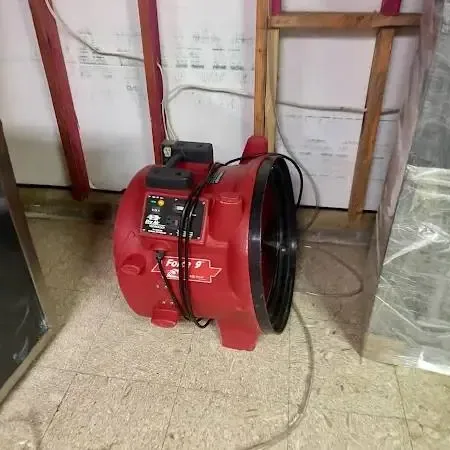
Drying done to measured readings, not guesses
Water damage spreads the longer it sits, so the crew works from moisture readings and not guesswork, and keeps the photos and paperwork an insurance claim needs.
Water-only focus
Clean water, gray water and sewage are the work; other kinds of damage go to the trades that handle them.
Measured drying
Moisture meters and thermal checks show where water traveled, and drying equipment stays until the readings come back normal.
Clear paperwork
Photos, moisture logs and itemized notes give an adjuster the record that supports a claim.
Straight pricing
Cost ranges are posted by water category and area, and the final scope is written down before the work grows.
A drying standard written down, not assumed
Every job follows the same sequence: find the source, remove the water, dry the structure and confirm the result with readings. Anything that cannot dry in place is cut out and discarded.
- 01Assess
Assess
The crew finds the source, maps where the water traveled and sorts it by category before any equipment is placed.
- 02Remove
Extract
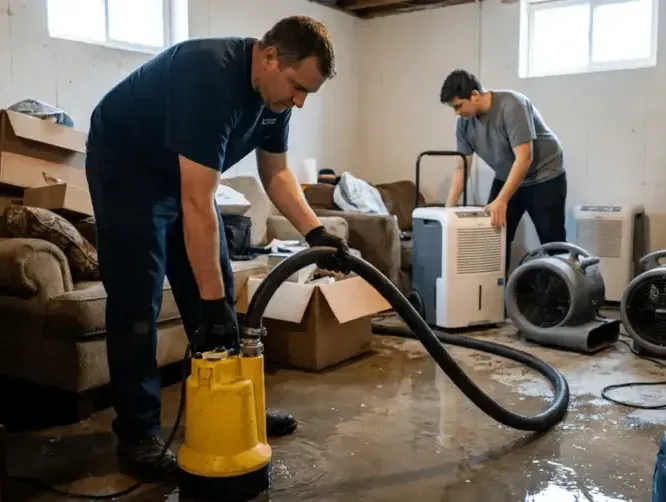
Pumps and wet vacuums take off standing water first, because extraction removes far more moisture than drying equipment ever could, and it shortens the dry-out.
- 03Dry
Dry the structure
Air movers and dehumidifiers run while meters track framing, subfloor and wall moisture. Equipment is moved as the readings change.
- 04Verify
Confirm and document
Final readings, photos and notes are recorded so the job has a clear finish and the claim has support.
The drying goal: wet materials read within 2 to 4 points of a dry reference material in the same building. Equipment leaves on readings, not on a schedule.
The water damage calls that come in most
The category is set on the first visit, and it decides what dries in place and what comes out.
Burst and frozen pipes
A split pipe can flood a wall cavity, a ceiling and the room below. The shutoff comes first, then extraction and drying.
Burst pipe cleanupSump pump failures
A pump that quits leaves water collecting in the pit and then on the floor. Extraction and drying keep it from spreading.
Sump pump cleanupSewage backups
Contaminated water needs containment, removal and sanitizing, not just drying. The cause is checked on site.
Sewage backup cleanupWhat does water damage restoration cost in Inver Grove Heights, MN?
Water damage costs depend on the size of the area and the category of water. A small clean-water area runs $400 to $1,200, while a finished lower level with sewage can reach $8,000 to $22,000.
- Standing water removed
- Air movers and dehumidifiers
- Moisture readings checked until dry
- Flooring and wall checks
- Drying equipment set up
- Carpet pad and drywall removed as needed
- Sewage contained and removed
- Surfaces sanitized
- Porous materials taken out
These ranges reflect typical jobs and do not replace an on-site look. The category of water, the materials affected and the size of the area all move the final number. Open the cost calculator for a closer planning range.
Documenting water damage for an insurance claim
Insurance carriers decide what a policy covers, and an adjuster decides the amount. The crew's part is a clean record of the loss, the cause and the work done.
What the policy owner handles
The policy owner files the claim and talks with the carrier. The crew supplies photos, readings and an itemized scope on request.
Sewage and sudden pipe breaks are treated differently by different policies, so the policy language settles what applies.
- Photos and video of every wet room
- The date and the cause of the loss
- A written list of damaged belongings
- Moisture readings taken by the crew
- Receipts for any emergency repairs
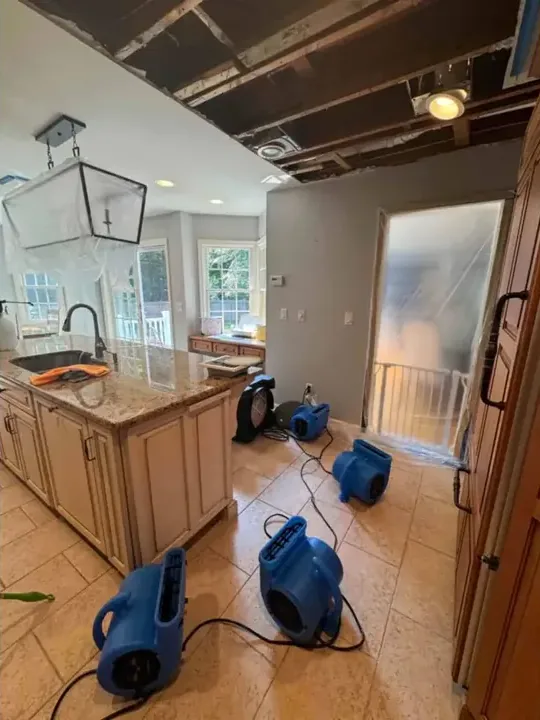
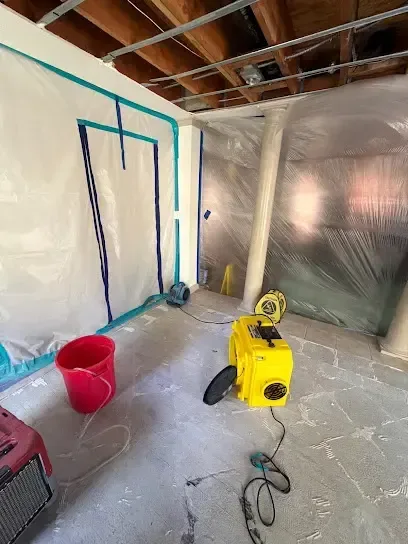
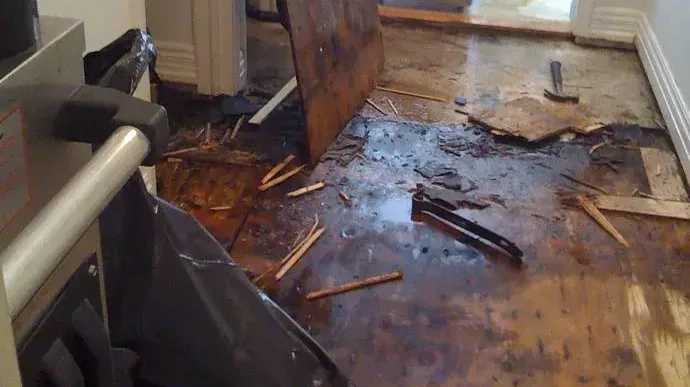
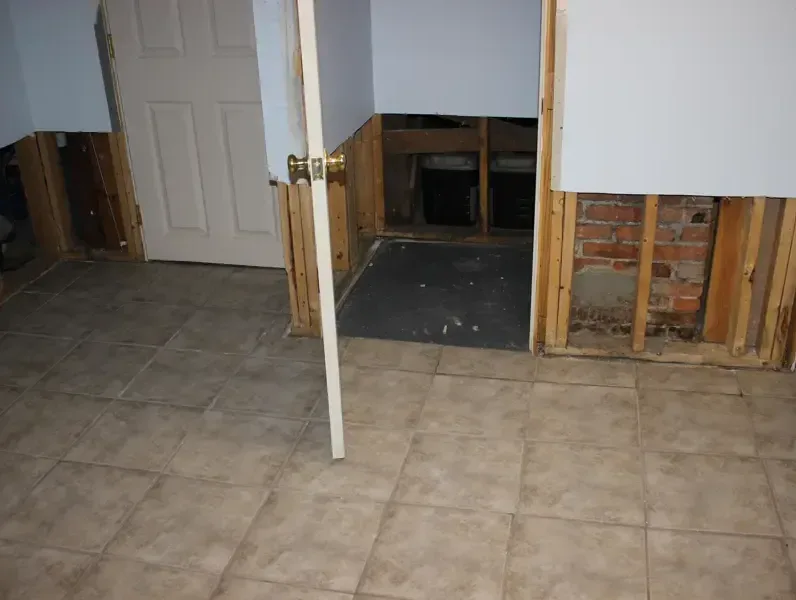
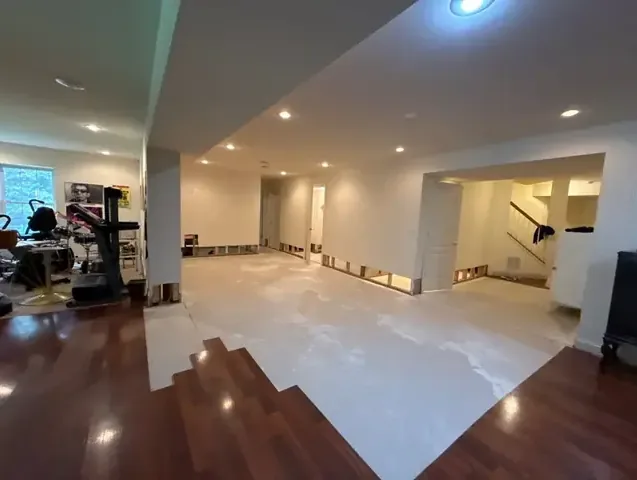
Photos of extraction, drying equipment and opened walls at work
Water damage service across Inver Grove Heights, MN
Local landmarks and areas
Swing Bridge Park Rock Island Swing Bridge Inver Wood Golf Course Arbor Pointe Golf Club North Valley Reuben Freeman House District 7 School Mississippi River
ZIP codes served
How to reach the crew after a leak or flood
Homes in both ZIP codes, 55076 and 55077, are covered, including those near the Mississippi River and those in the rural parts of the city.
Call now, any hour. The crew asks where the water came from and what it reached, then plans extraction and drying around what it learns.
Heavy rain, ditches and the city storm system
The city moves rain and snowmelt through pipes, ponds, ditches and culverts that carry it to wetlands and ultimately the Mississippi River, and it says parts of that system are aging.
August 2022 A hailstorm dropped several inches of rain on the eastern Twin Cities metro in a few hours. In the city's flash flooding, police rescued two people from their vehicles.
- Aging storm system The city says portions of its stormwater system are aging and that funding has contributed to a growing backlog of deferred maintenance, which matters whenever heavy rain arrives.
- Heavy rain and snowmelt Without regular maintenance, the city says heavy rain and snowmelt can lead to flooding, erosion, road damage and costly emergency repairs across the community.
- Rural drainage Rural parts of the city rely on ditches, culverts, ponds and natural channels to move water, and the city maintains many of those ponds and ditches.
- Water and sewer separate The city treats water and sewer utilities, which handle water used inside a building, as separate from the stormwater utility that handles rain and snowmelt.
- August 2022 flash flood Several inches of rain in a few hours was enough to cause flash flooding, which shows how fast storm water can build and why acting early matters.
Water damage questions from local homeowners
How fast does water damage need attention?
Water keeps spreading into drywall, flooring and framing the longer it sits, so extraction and drying should start as soon as the source is stopped. Delay is what turns a small wet area into a large one.
How much does water extraction cost?
Cost follows the area wet and the water category, from $400 to $1,200 for a small clean-water area to $1,300 to $6,800 when drying is included.
Does homeowners insurance cover water damage?
Coverage depends on the policy and the cause. Sudden pipe breaks and appliance leaks are often treated differently than seepage or sewage backups, so the policy language and the carrier decide.
What should be done first after a pipe bursts?
Shut off the main water valve, move small valuables out of the water and photograph the damage. Avoid electrical items standing in or near the water. Then call so extraction and drying can begin.
Is sewage backup different from other water damage?
Yes. Sewage carries contamination, so it is contained, removed and sanitized, and porous materials like carpet pad are usually discarded instead of dried. The cause is also checked, since a backup can start in the home's own drain or beyond it.
Who handles the city sewer and water system?
The city's Utilities Division handles the city's sewer and water pipes, and plumbing inside a house is a separate matter. For urgent needs after hours, the city points residents to Dakota County Dispatch.
What happens after a storm floods a basement?
Floodwater is pumped out, debris is hauled off and the structure is dried. Because storm water can carry contaminants, porous materials that soaked it up are often removed.
What should be done when a sump pump fails?
Clear the area of anything electrical, then extract the water collecting around the pit and dry the floor and walls. The failed pump itself is a plumbing or electrical repair, not part of the drying.
How is the end of drying confirmed?
Moisture meters check framing, subfloors and walls against readings from dry materials in the same home. Equipment stays until the wet areas match them, and the final readings are written down.
Do renters and owners both face water leaks?
Yes. About 24.5 percent of occupied housing in the city is renter-occupied and about 75.5 percent is owner-occupied, so burst pipes and appliance leaks affect both. Tenants should report a leak to the landlord right away.
Water in the house right now?
Shut off the water if a pipe is the cause, stay clear of wet electrical items and call the crew. Extraction starts once the source is stopped.
Water damage cannot wait, so call the crew now
Standing water and wet walls only get harder to fix. Call now, any hour, to get extraction started.