Water Damage Restoration Cottage Grove, MN
Flooded basement, stalled sump or sewage at the floor drain? 24/7 water damage restoration in Cottage Grove, MN: the restoration team extracts standing water, dries to the IICRC S500 standard and documents every step.
Sewage backups, river water and burst pipes are treated as urgent at any hour, weekends and holidays included.

What to do while the water is still moving
- Shut off the water Close the main valve, usually in the basement where the service pipe comes up through the floor or the front wall.
- Cut power to wet rooms Switch off the breaker for wet areas, but only if the panel and the floor under you are dry.
- Stay clear Keep out of standing water near outlets, cords, the furnace and the water heater.
- Take photos Photograph the water and the damage before moving or throwing anything away.
- Lift, then call Get rugs, boxes and electronics off the floor, then call. Drying that starts within 24 to 48 hours saves the most.
Water Damage Restoration Services in Cottage Grove, MN
Water and sewage only, from emergency extraction to structural drying. Each service has its own page with first steps, typical costs and the drying process.
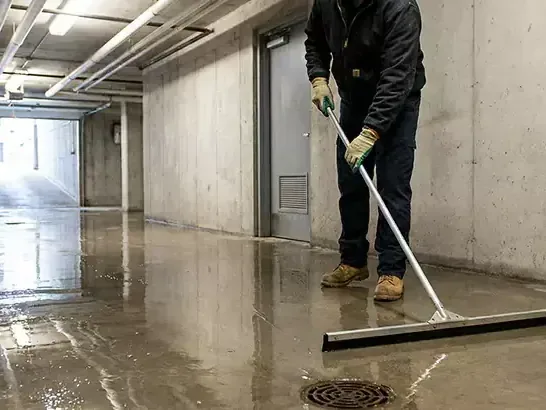 01Water Extraction and RemovalTruck-mounted and portable extraction pulls standing water from carpet, pad and the basement slab before it wicks.Cat 1 to 3View
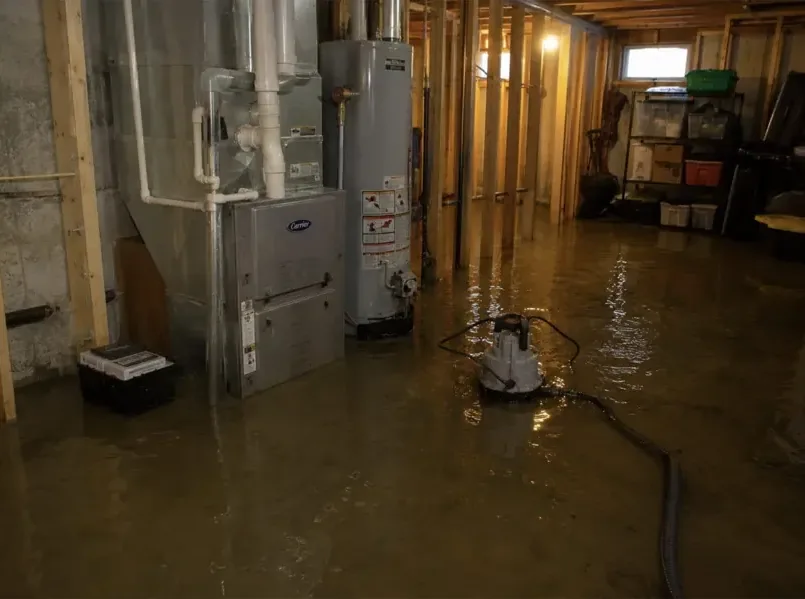 02Basement Flooding CleanupFinished lower levels pumped out, opened where the meters say and dried to a verified reading.Cat 1 to 3View
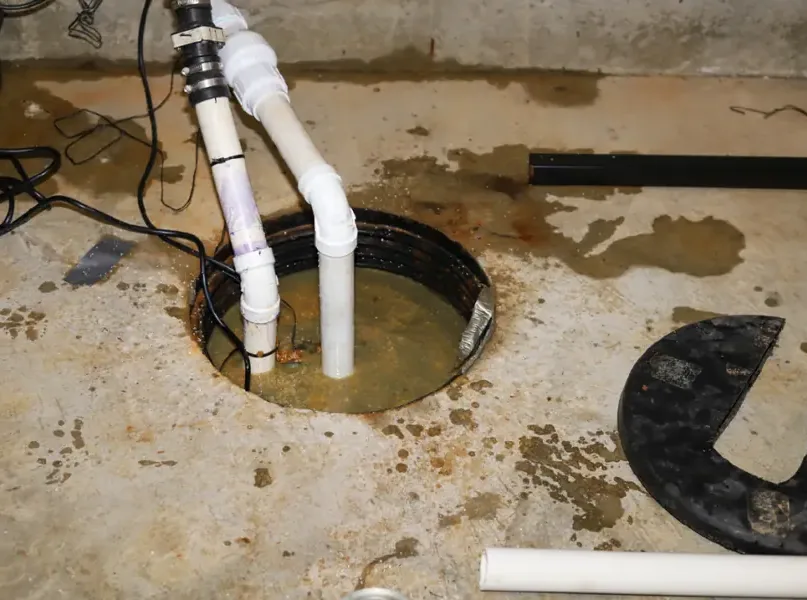 03Sump Pump Failure CleanupA stalled pump, a stuck float or a storm power cut floods the pit corner first.Cat 2View
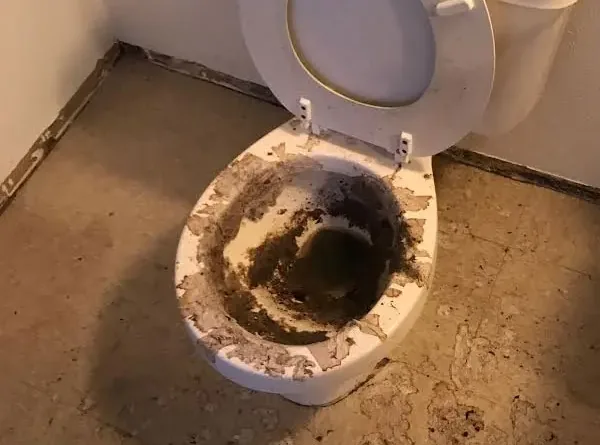 04Sewage Backup CleanupFloor drain and toilet backups handled as Category 3, porous materials removed and surfaces treated.Cat 3View
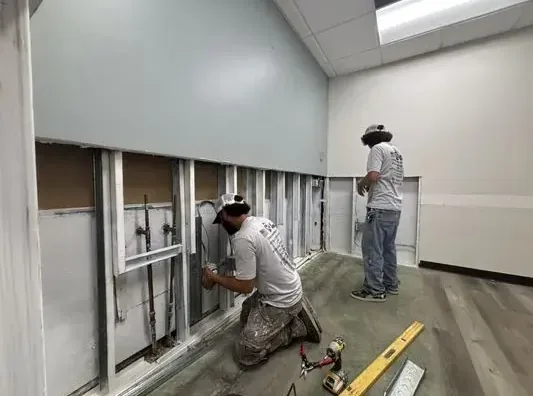 05Frozen Pipe Water DamagePipes that split in a deep freeze along rim joists, garages and outside walls, dried in the cavity.Cat 1View
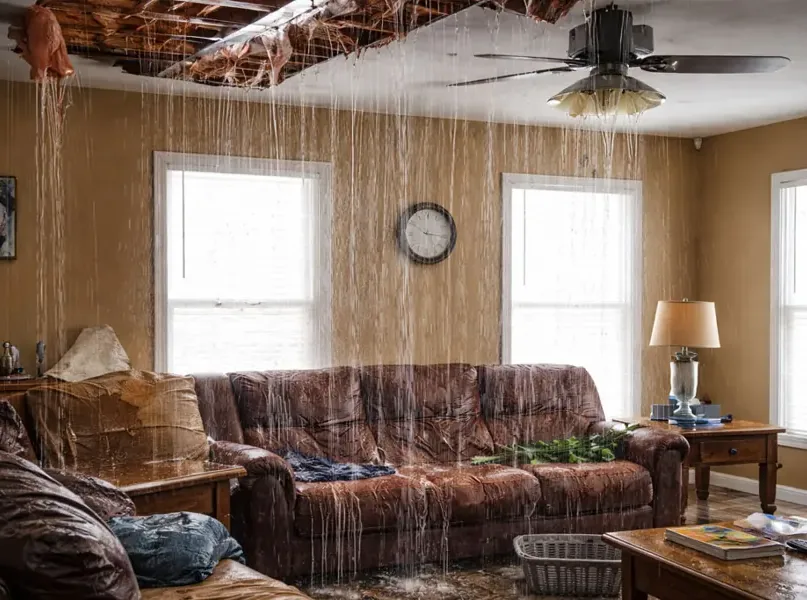 06Burst Pipe Water DamageSupply pipe failures inside walls and ceilings, found with thermal imaging and dried in place.Cat 1View
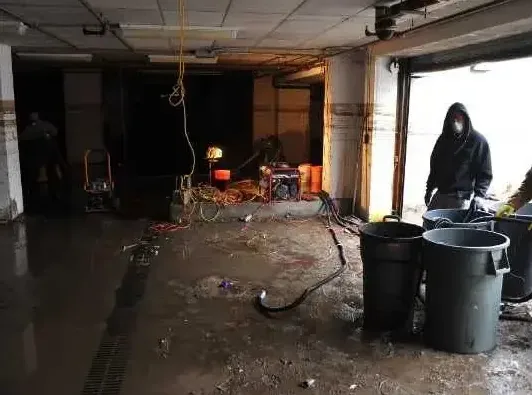 07Storm and River Flood CleanupFlash flooding and Mississippi high water treated as contaminated, mucked out and dried.Cat 3View
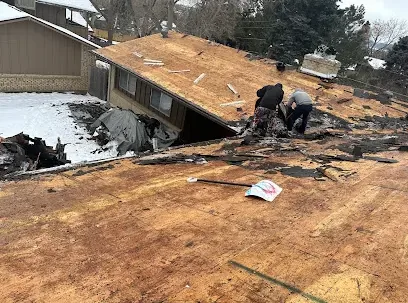 08Roof Leak and Ice Dam Water DamageIce dams and wind-driven rain pushing water into attics, top-floor ceilings and walls.Cat 1 to 2View
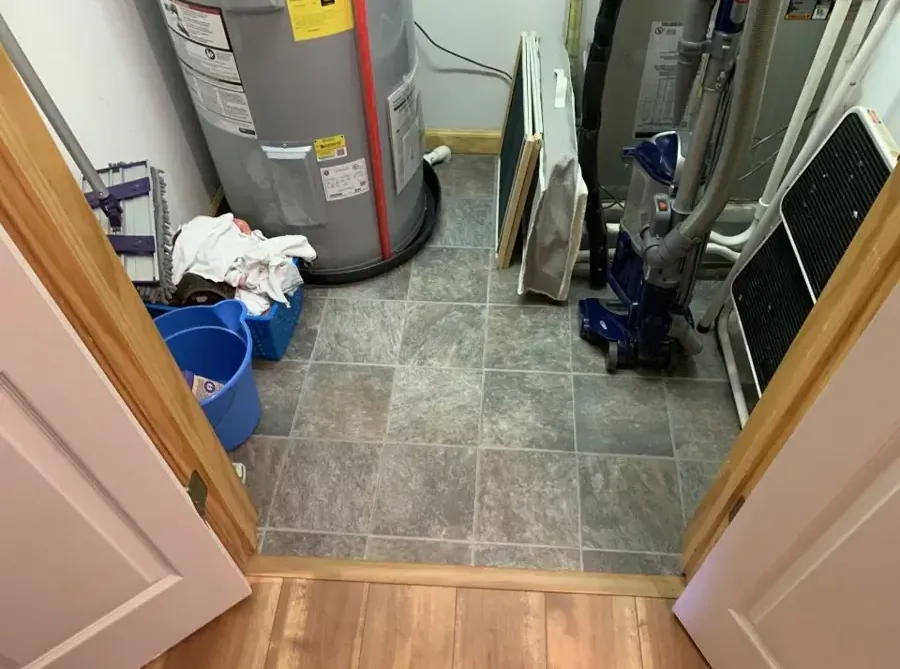 09Water Heater Leak CleanupA failed tank in the utility room extracted before the water reaches carpet and finished walls.Cat 1View
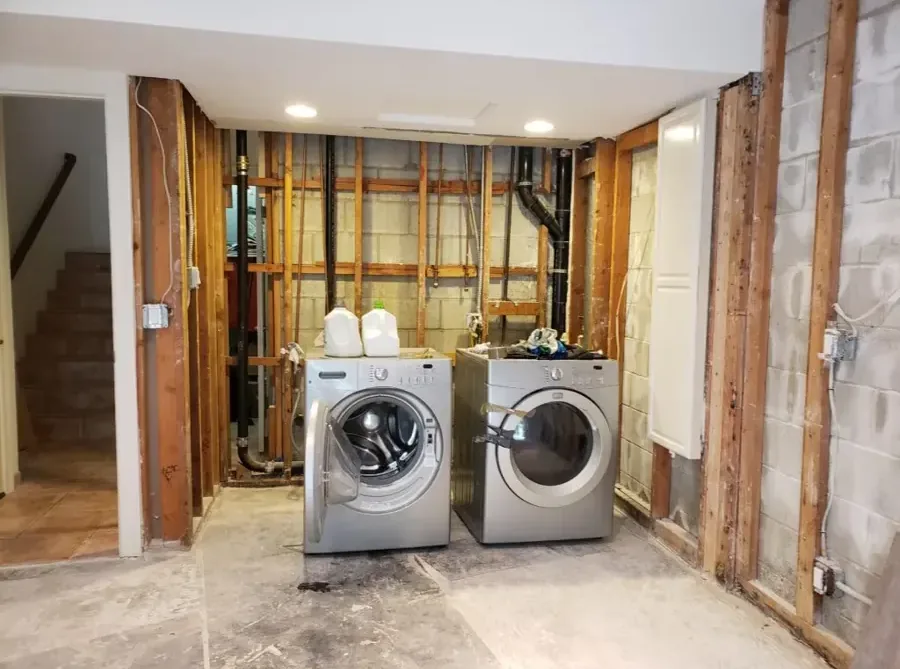 10Appliance and Supply Hose LeaksWasher hoses, ice maker tubing and dishwasher leaks traced and dried under floors and cabinets.Cat 1 to 2View
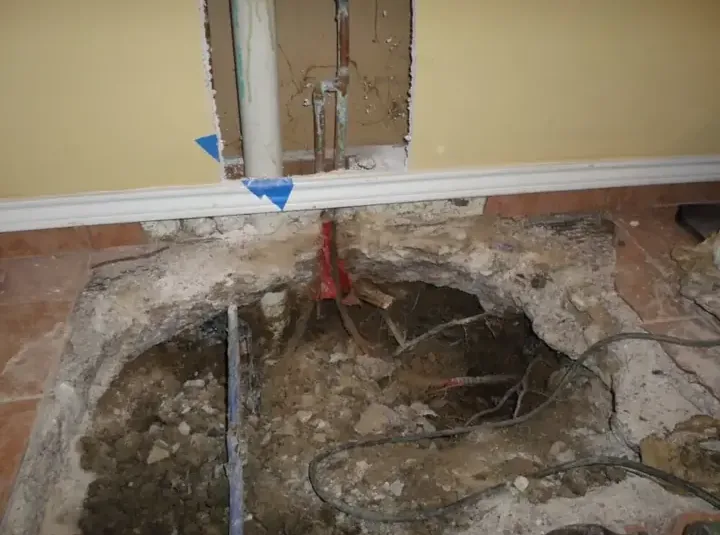 11Slab and Under-Floor Leak Water DamageLeaks under the basement floor or in radiant heat loops found, flooring lifted and the concrete dried.Cat 1View
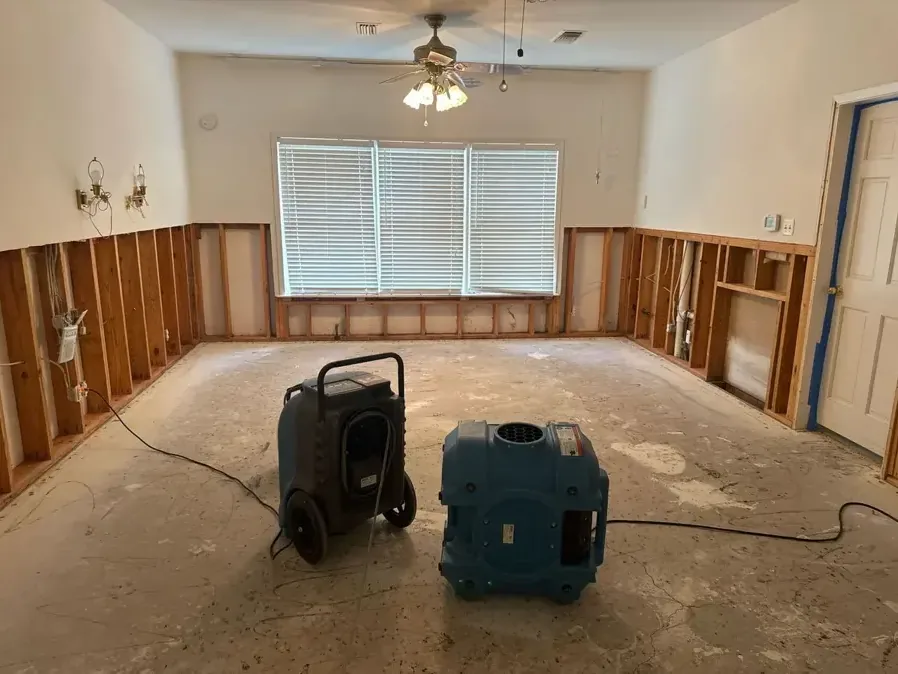 12Structural Drying and DehumidificationFraming, subfloor, block walls and slab dried to within 2 to 4 points of a dry reference.AllView
Run the numbers first
Three planning tools sized for basements, ramblers and river-town lots.
Source still a mystery?
Say what got wet and where it showed first. The source decides the drying plan.
Restoration built around the basement, where most water ends up
Most homes here have a lower level, and most water losses finish in it. Water runs under the pad, up the drywall and along every bottom plate it touches.
Rapid local response
The response team dispatches day and night, and active water is treated as urgent at any hour, holidays included.
IICRC S500 drying standard
Structural drying, not just surface drying, verified with meters every day until the readings say dry.
Claim-ready documentation
Moisture maps, daily psychrometric logs and timestamped photos, organized the way adjusters review a water claim.
River-town water know-how
Sump pits, floor drains, block basements, ice dams and Mississippi high water are routine work here.
Water damage dried to the IICRC S500 standard
IICRC S500 is the industry standard for drying a water-damaged building. The drying team sets the category and class on the first visit, then logs readings every day until the structure reaches the drying goal.
- 01Assess
Moisture mapping
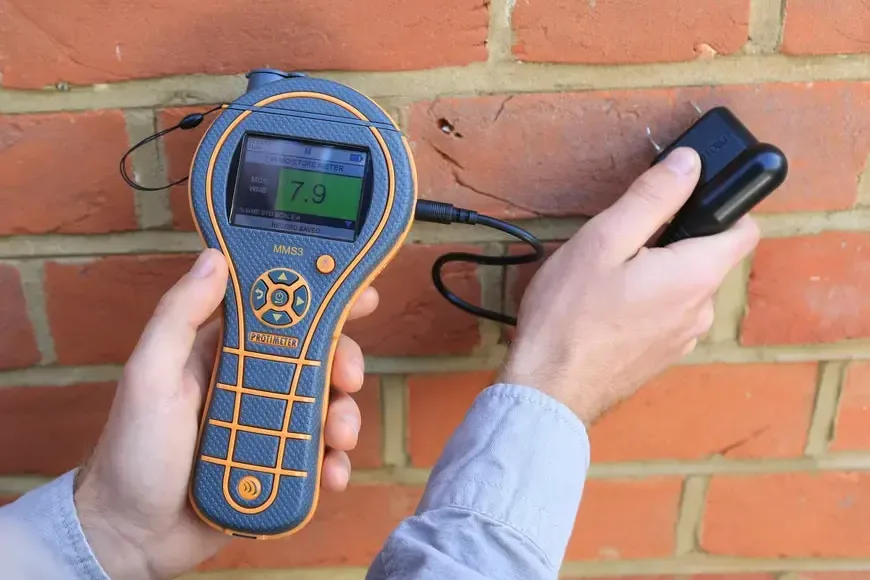
The walkthrough maps wet drywall, pad, block and subfloor with meters and thermal imaging before any equipment goes down, so the plan matches what is actually wet.
- 02Remove
Extraction
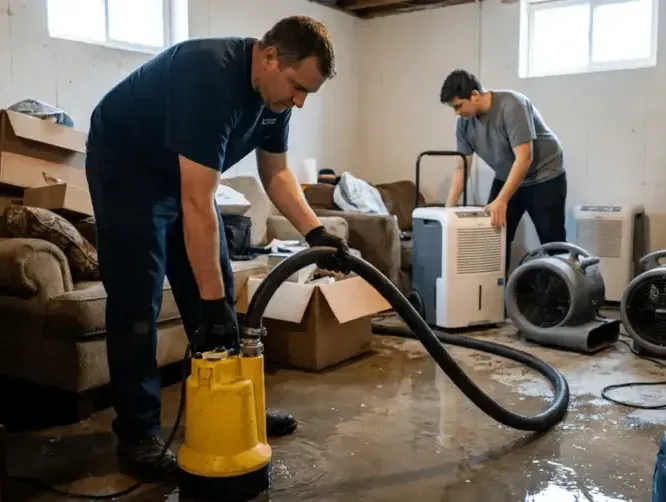
Truck-mounted and portable extraction pull standing water out of carpet, pad and the basement slab, and the crew records the category and class of the loss.
- 03Dry
Air movers and LGR
Air movers and low-grain refrigerant dehumidifiers are sized to each room's evaporation load, with readings logged every day.
- 04Verify
Dry verification
Equipment comes out when wet materials reach the drying goal. Block walls, plaster and the slab take longer.
The drying goal: wet materials read within 2 to 4 points of a dry reference material in the same building. Equipment leaves on readings, not on a schedule.
Every category of water damage, from clean to black
The category is set on the first visit, and it decides what dries in place and what comes out.
Category 1, clean water
Burst and frozen supply pipes, water heaters and appliance hoses. Caught early, carpet, pad and drywall often dry in place.
Frozen pipe water damageCategory 2, gray water
Sump pit overflow, washer drain water and seepage. Soaked pad usually comes out, and surfaces are cleaned before drying.
Sump pump failure cleanupCategory 3, black water
Sewage backups and river or storm floodwater. Porous materials come out instead of being dried, then antimicrobial and drying.
Sewage backup cleanupWhat does water damage restoration cost in Cottage Grove, MN?
Most clean-water losses here run $1,300 to $6,800 for extraction and drying. A finished basement with wet drywall often reaches $5,000 to $16,000, and sewage or river water costs more because porous materials come out.
- One or two rooms
- Extraction and drying
- 3 to 5 days of equipment
- Carpet, pad and drywall cuts
- Block wall and slab drying
- Sump or drain source traced
- Category 3 removal
- EPA-registered antimicrobial
- Rebuild-ready drying
The water category, the square footage, the material class and how fast drying started move the number most. Equipment days and removal add to it, and every job is scoped on site with meters. Open the cost calculator for a closer planning range.
Documentation built for the claim file
A water claim is decided on the file. The drying team builds that file from the first visit, with readings, photos and a scope that adjusters recognize.
Check your own policy
A sudden burst pipe is usually reviewed differently from river or surface water, which falls under flood coverage, and a sewage backup often needs its own endorsement.
Coverage depends on the policy, so call your own insurer early and keep every receipt and photo.
- A moisture map from the first visit
- Daily psychrometric and moisture logs
- Timestamped photos taken before any demolition
- The category and class of the loss
- A line-item scope in the format adjusters expect
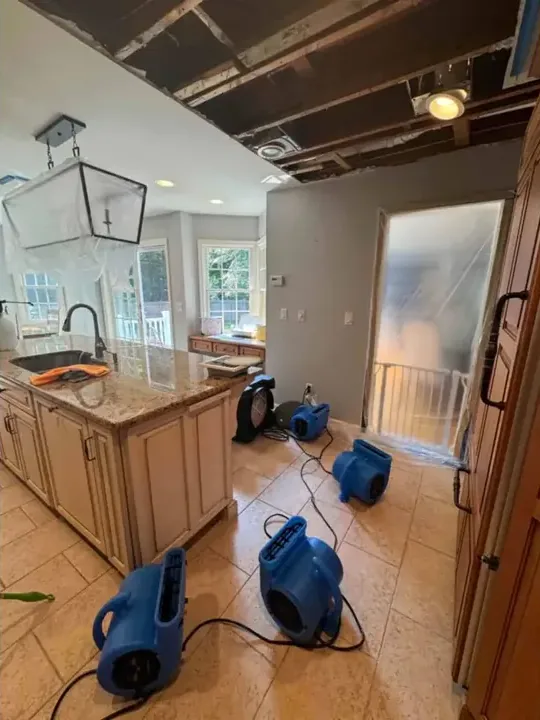
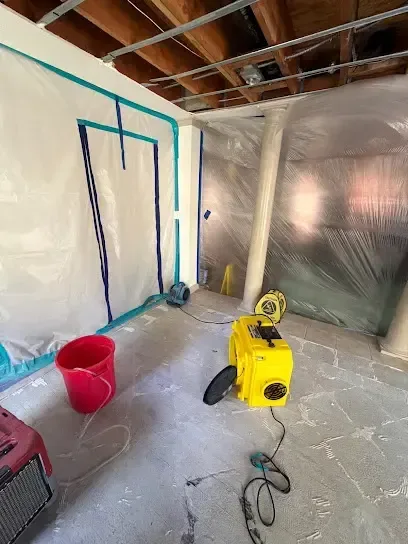
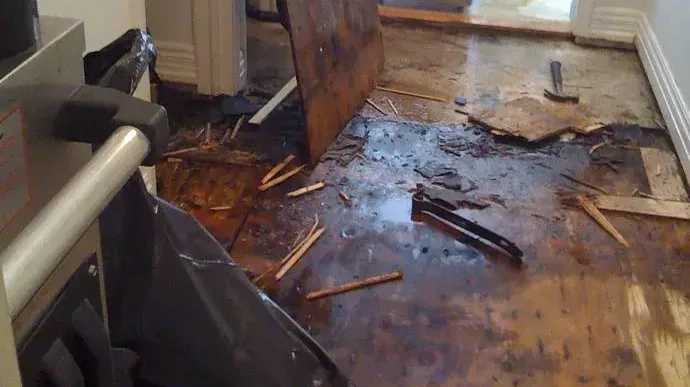
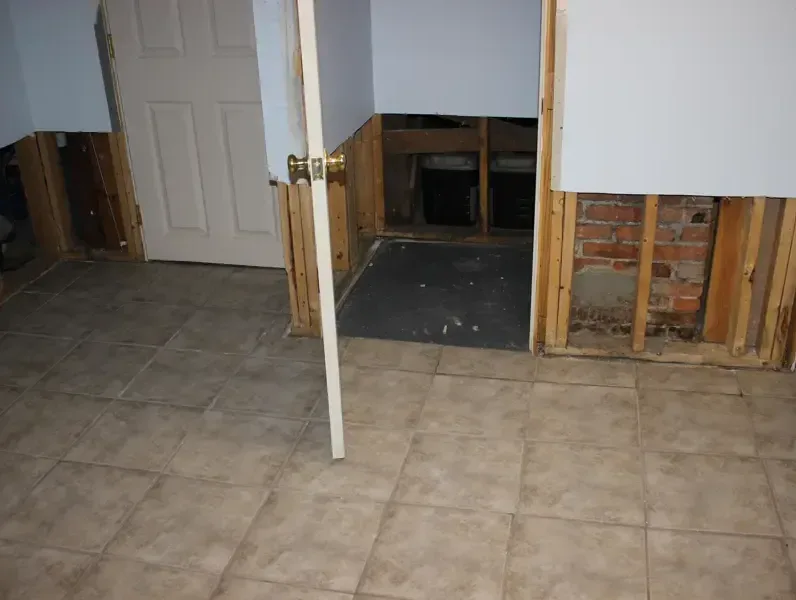
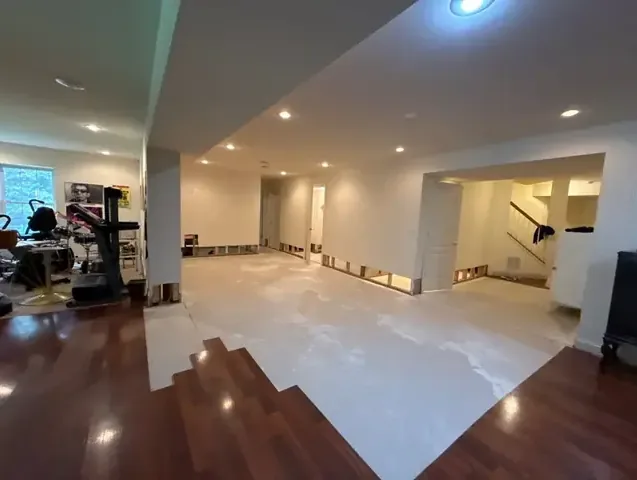
What a water damage dry-out looks like, from extraction to readings
Neighborhoods, ZIP and nearby towns covered in Cottage Grove, MN
Neighborhoods and corridors
Old Cottage Grove Langdon Thompson Grove Pineridge Estates River Acres Grey Cloud Island East Ravine Ravine Parkway Eastbrooke Graymont Village Highway 61 Keats Avenue
ZIP code
Nearby communities
Woodbury Inver Grove Heights Hastings Rosemount Mendota Heights St. Paul Park Newport Denmark Township
One call reaches a local water damage crew, day or night
From Langdon and Thompson Grove to River Acres, Grey Cloud Island and the newer streets of East Ravine, the restoration team covers every neighborhood at any hour.
Say what got wet, which level of the house and where the water started, and the crew plans the pumps, air movers and dehumidifiers around it.
Water damage risks on the river side of Washington County
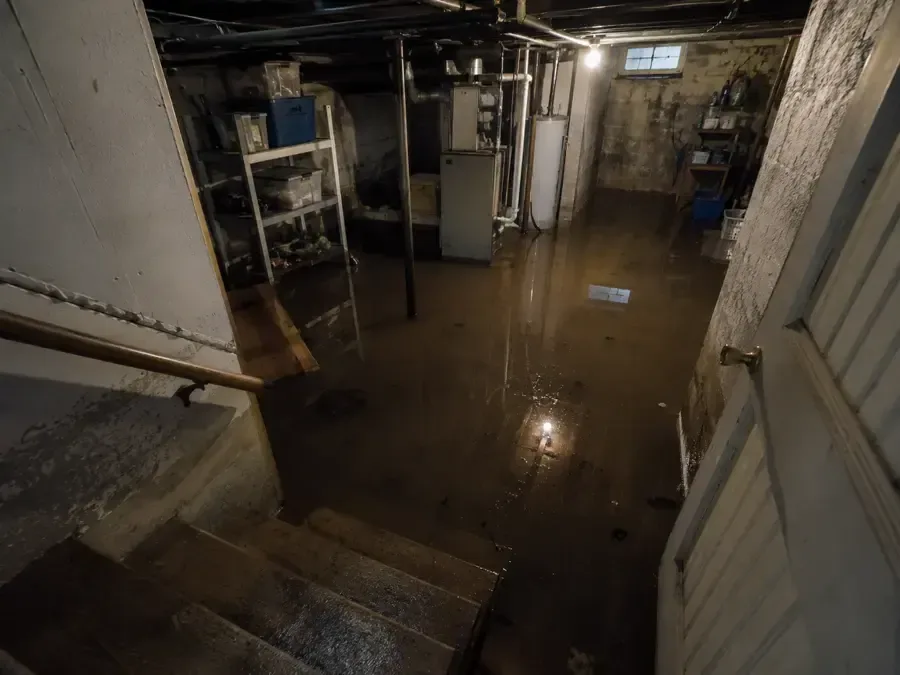
Water damage here follows the river, the seasons and the age of the house. Most losses finish in the basement, whether the water came from a storm, a sump or a frozen pipe.
June 2024 flood With a flood warning on the Mississippi, the city closed the Grey Cloud Trail bridge, then the Grey Cloud Drive causeway, to Lower Grey Cloud Island.
- River high water. Low-lying River Acres sits along the Mississippi and has been sandbagged when the river rose. River water inside a home is Category 3 from the start.
- Flash flood storms. Torrential rain can outrun gutters, window wells and storm drains fast. The August 29, 2024 storm damaged homes in the city and led to a local emergency.
- Block basements. Many older ramblers west of Highway 61, from the Orrin Thompson era, sit on cinder-block basements, and block walls can wick water through the mortar joints and seep at the floor.
- Sump-dependent lower levels. Many newer homes, such as those in East Ravine and on the east-side bluffs, have large finished lower levels that depend on a sump pump, and a storm power cut stops it.
- Deep winter freezes. Minnesota cold splits supply pipes along rim joists, in garages and in outside walls. The leak shows when the pipe thaws, often behind a finished ceiling.
Cottage Grove water damage questions, answered
How fast does help arrive for water damage in Cottage Grove?
Dispatch runs around the clock, and active water is treated as urgent at any hour. Arrival depends on roads, weather and how many jobs are open, so start the first steps while the crew is on the way.
Will homeowners insurance cover the water damage?
It depends on the source and the policy. Sudden pipe failures are often covered, river and surface flooding usually falls under separate flood insurance, and sewage backups often need an endorsement. Check your own policy and keep photos and receipts.
What causes most water damage here?
Basement losses lead the list: stalled sump pumps, floor drain backups, seepage through block walls, water heater failures and pipes that split in a hard freeze. Summer storms and Mississippi high water add the rest.
How long does drying usually take?
Most clean-water losses dry in three to five days. Block walls, hardwood, plaster and the basement slab take longer. The drying team removes equipment when the readings reach the goal, not on a set date.
What is the IICRC S500 standard?
IICRC S500 is the industry standard for professional water damage restoration. It covers how to inspect, set the water category and class, extract, dry and verify, so the structure is dried and not just the surface.
What should be done before the crew arrives?
Shut off the water, cut power to wet rooms if the panel is dry, stay out of standing water near outlets and the furnace, photograph everything, and lift rugs, boxes and electronics off the floor.
When does wet drywall have to come out?
Drywall touched by sewage or river water comes out. Clean-water drywall can often be dried in place if drying starts early, but when the insulation behind it is soaked or the board has swelled, the crew cuts it above the water mark.
Why is sewage cleanup handled differently?
Sewage is Category 3 water and carries bacteria. The crew wears protective gear, removes soaked porous materials such as carpet, pad and drywall below the water mark, cleans, applies an EPA-registered antimicrobial and then dries.
How is the cost of water damage figured?
Cost follows the water category, the square footage that got wet, the material class and how fast drying started. Equipment days, removal and the antimicrobial step add to it, and every job is scoped on site with meters.
Is river flooding treated differently from a sump failure?
Yes. Mississippi floodwater is Category 3 from the start, so porous materials it touched come out. Sump overflow is usually Category 2. Both get extraction, cleaning and structural drying to the S500 goal.
Still dealing with water right now?
Shut off the main if it is safe, keep clear of outlets, then call. The restoration team walks the household through the next steps.
Water in the house right now? The drying crew is ready around the clock.
Extraction, structural drying to the IICRC S500 standard and claim documentation, day or night, across the east metro.