Water Damage Restoration in Mendota Heights, MN
Standing water, a backed up drain or a split pipe needs pumps, dryers and a plan with readings behind it. Mendota Heights homes get the water pulled out, wet materials opened and drying tracked until the readings settle.
Floods, sewage backups and burst pipes in ZIP codes 55118 and 55120 can be reported at any hour.
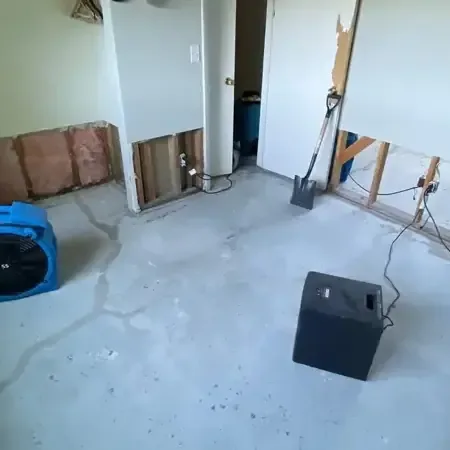
What to do right after water appears
- Stop the source Shut the valve feeding the water, at the fixture or the main, and keep out of rooms where water reaches outlets.
- Call about gas or power A sparking outlet or a gas smell goes to Xcel Energy before anything else.
- Photograph the damage Pictures of the source, the depth and the soaked belongings support a claim later.
- Report the water Tell the crew where it started, how far it spread and whether it looks clean or came from a drain.
- Follow the drying plan Pumping comes first, then opened walls, air movers and dehumidifiers, with meter readings deciding the finish.
Water damage services for local homes
Every job starts with stopping the source and removing water. The service that fits depends on where the water came from and which materials it reached.
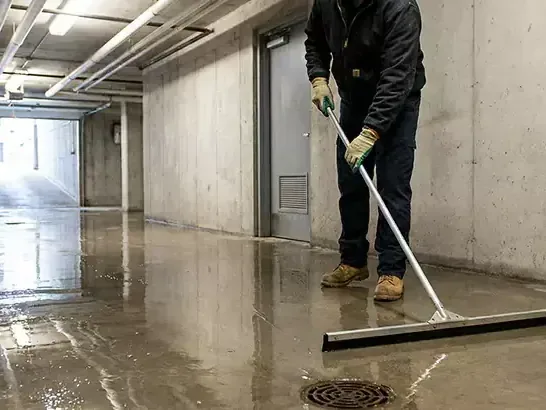 01Water Extraction and RemovalPumps and wet vacuums pull standing water off floors and out of low spots before drying begins.Cat 1 to 3View
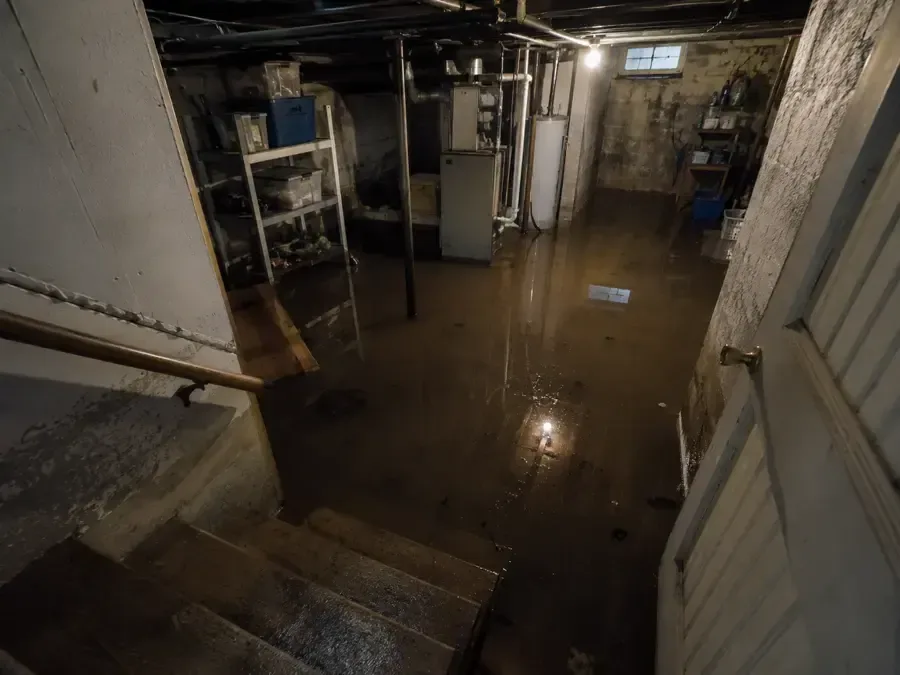
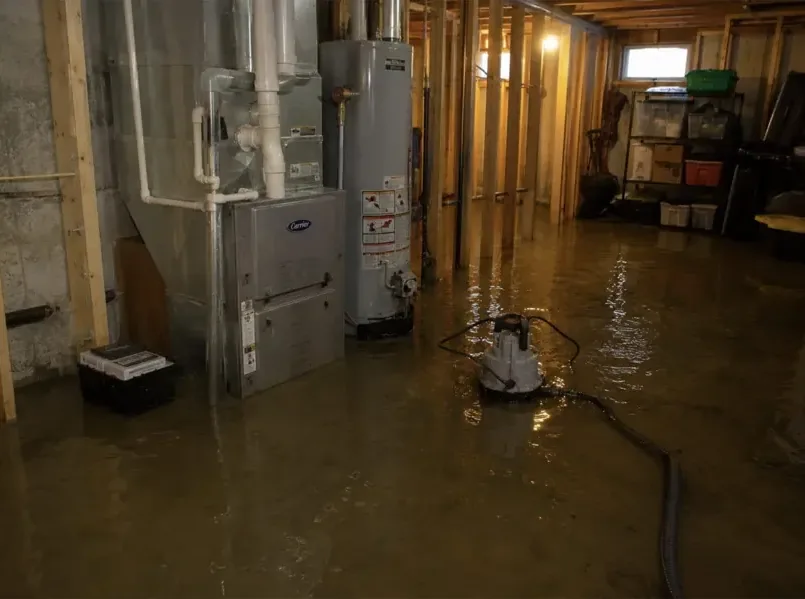 02Basement Flooding CleanupWater on a lower level is pumped out, then carpet, padding and drywall are checked and opened where wet.Cat 1 to 3View
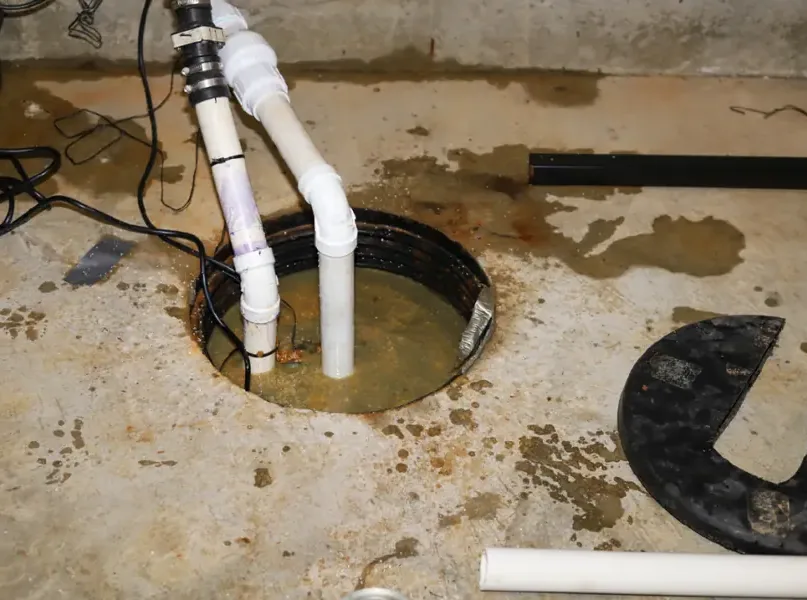 03Sump Pump Failure CleanupA pit that overflowed after the pump quit sends water across the floor and into the walls.Cat 2View
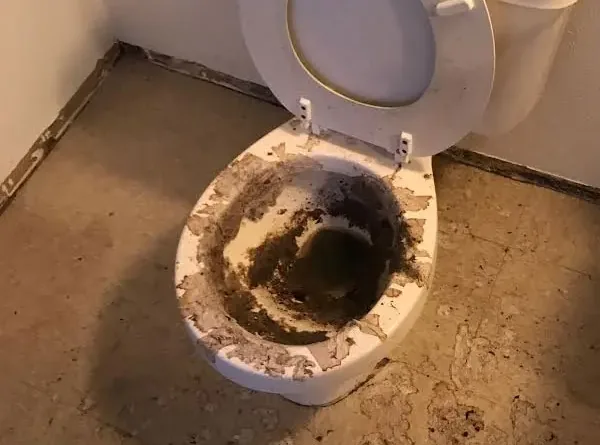 04Sewage Backup CleanupBackups from a drain are cleaned as sanitary work, kept apart from ordinary drying.Cat 3View
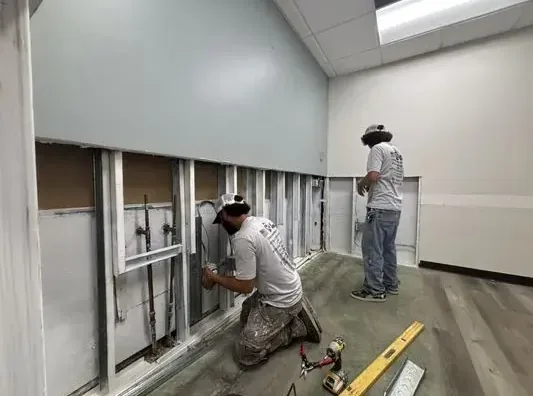 05Frozen Pipe Water DamageA pipe split in a cold snap soaks the cavity fast, so the water is shut off and the wall dried.Cat 1View
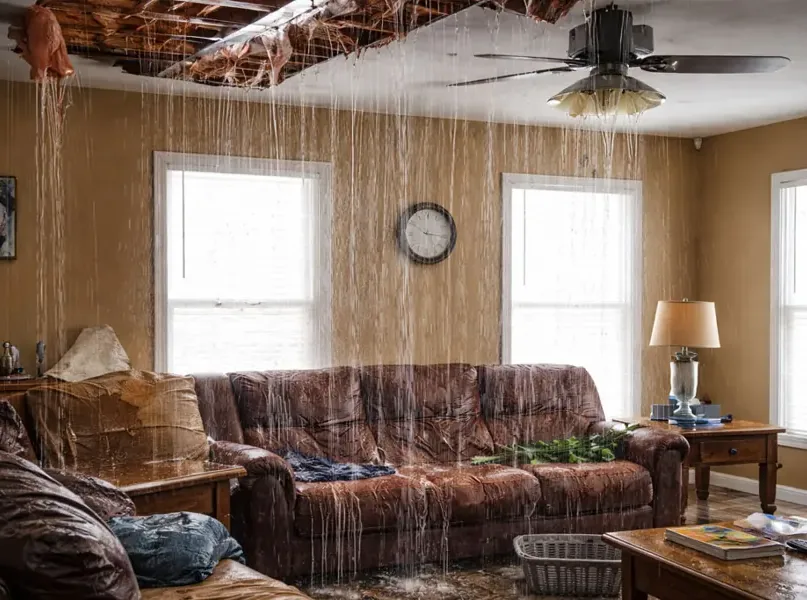 06Burst Pipe Water DamageA burst pipe can drop water through ceilings, and extraction and drying follow the shutoff.Cat 1View
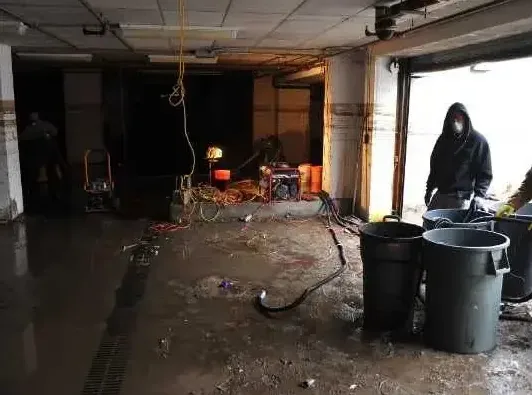 07Storm and River Flood CleanupRain that gets in through the lower level is removed and the structure dried afterward.Cat 3View
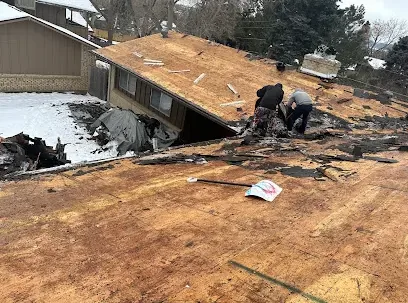 08Roof Leak and Ice Dam Water DamageWet insulation and stained ceilings are traced back to the spot where the water came in.Cat 1 to 2View
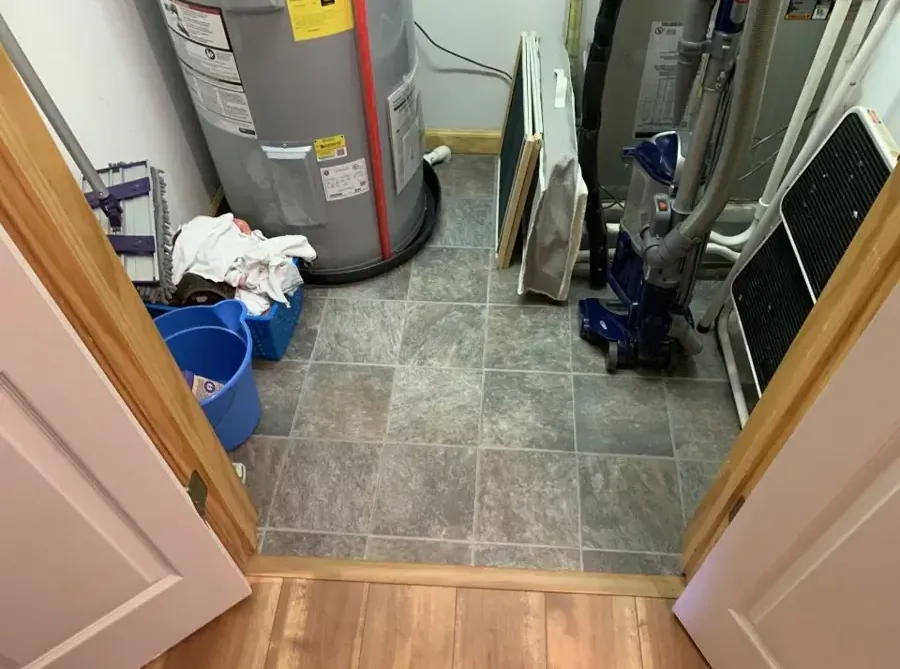 09Water Heater Leak CleanupA leaking tank soaks a utility room floor, so the water is removed and the area dried.Cat 1View
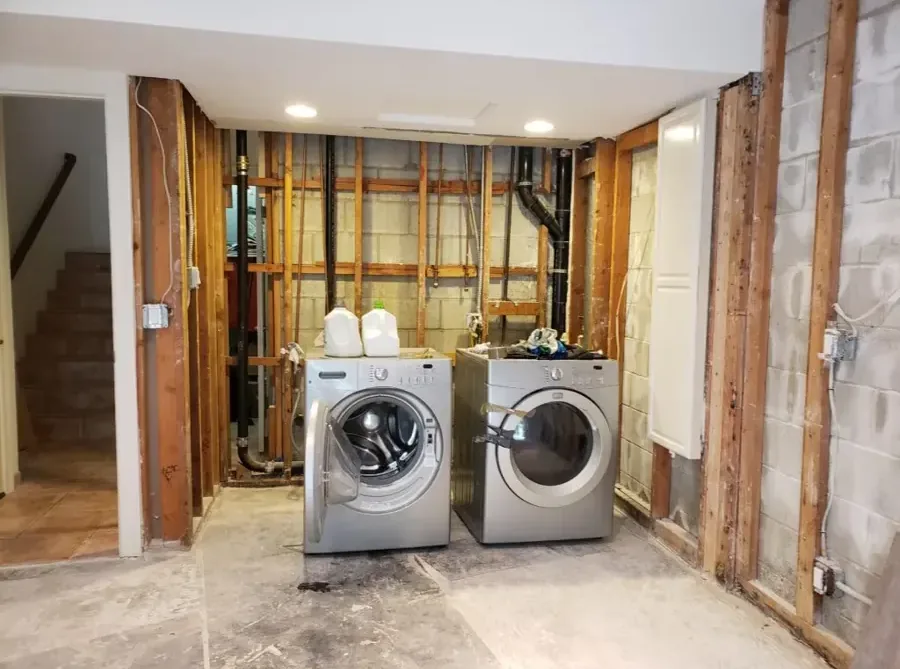 10Appliance and Supply Hose LeaksDishwasher, washer and refrigerator supply leaks are stopped, then floors and cabinets dried.Cat 1 to 2View
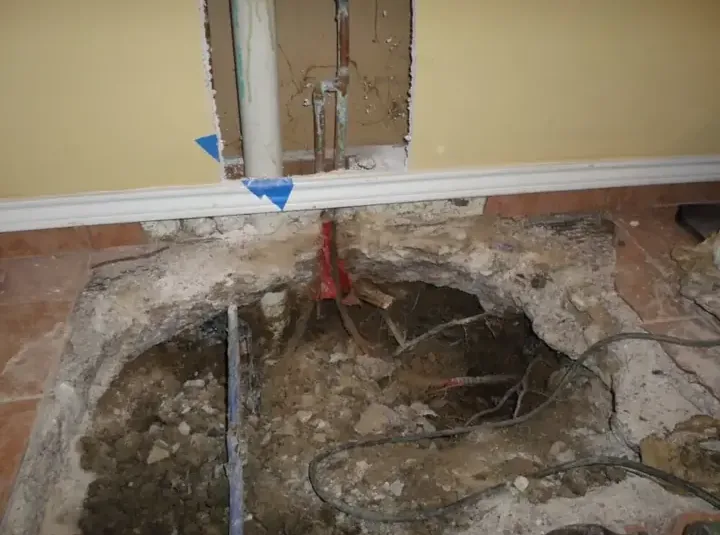 11Slab and Under-Floor Leak Water DamageWater rising through a concrete floor is located first, then the damp flooring is dried.Cat 1View
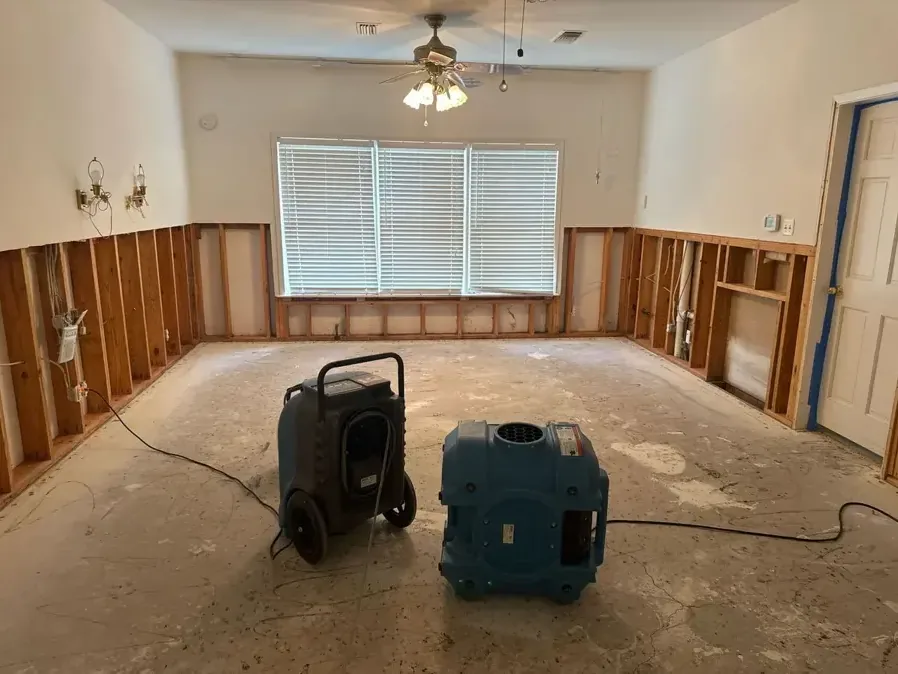 12Structural Drying and DehumidificationFraming, subfloor and walls are dried to a monitored plan once the water is out.AllView
Run the numbers first
Three planning tools sized for basements, ramblers and river-town lots.
Source still a mystery?
Say what got wet and where it showed first. The source decides the drying plan.
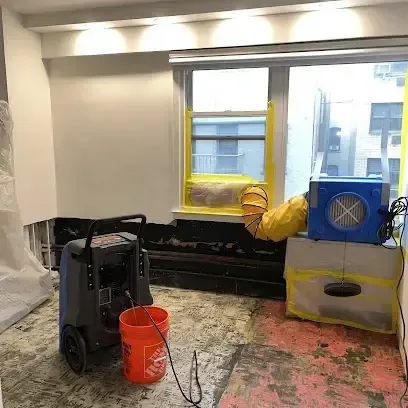
Local help for water in Mendota Heights
Water behaves differently in a basement, a wall cavity or under flooring. Matching the method to the spot keeps wet materials from being missed and keeps the repair smaller.
Source first
Extraction means little if a supply pipe, drain or roof leak keeps feeding the room, so the source is found early.
Measured drying
Moisture meters and logged readings show what is still wet behind paint, under flooring and inside framing.
Sanitary separation
Sewage and clean water are different jobs, with different protection, different disposal and different limits on what stays.
Records for claims
Photos, readings and equipment logs give an adjuster a clear record of what was wet and what was done.
A drying standard that is measured, not guessed
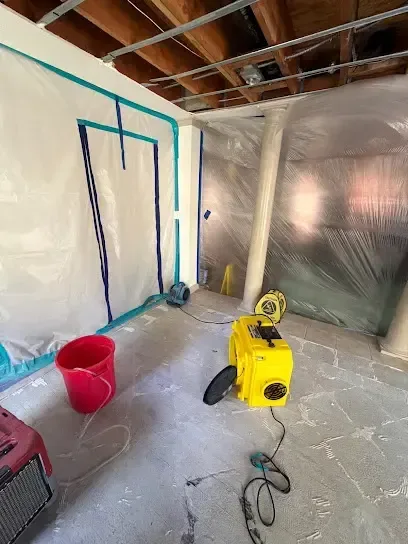
Drying follows a plan built on readings. Equipment is placed by what the meter shows, moved as walls and floors give up moisture, and removed only when the materials reach normal levels.
- 01Assess
Assess
Moisture meters map the wet areas, and the type of water is noted before any equipment is placed in the affected rooms.
- 02Remove
Extract
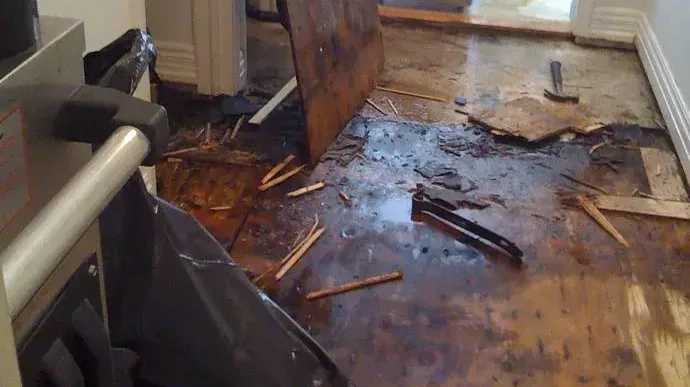
Pumps and wet vacuums remove the bulk of the water, and soaked padding or loose materials are hauled out of the house.
- 03Dry
Dry
Air movers and dehumidifiers run on a layout that changes as the readings change from one visit to the next.
- 04Verify
Verify
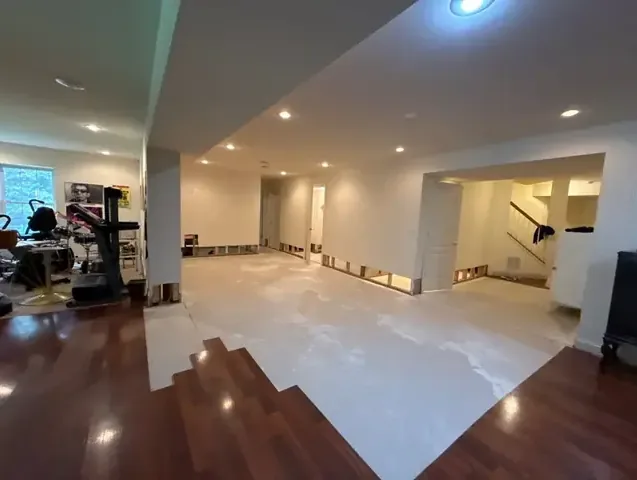
Final readings from framing, subfloor and drywall are compared with unaffected areas before any equipment leaves the house.
The drying goal: wet materials read within 2 to 4 points of a dry reference material in the same building. Equipment leaves on readings, not on a schedule.
Where local water problems usually start
The category is set on the first visit, and it decides what dries in place and what comes out.
Supply pipes and fittings
A split pipe, a failed fitting or a cold snap that cracks a pipe can soak walls and ceilings before anyone notices the drip.
Burst pipe cleanupBasement pits and pumps
When a sump pump quits during heavy rain, the pit overflows and water spreads toward finished walls.
Sump pump cleanupDrains and sewers
Backups are sorted by when they appear, and sewage is cleaned as a sanitary job, apart from clean water drying.
Sewage backup cleanupWhat does water damage restoration cost in Mendota Heights, MN?
Extraction plus drying runs from $1,300 to $6,800, and the number climbs when finished space or Category 3 water is involved. Size, the kind of water and how long it sat set the final figure, as shown in the extraction and drying ranges.
- Water pumped out
- Walls and floors dried
- Readings logged until the structure is dry
- Carpet and padding removed
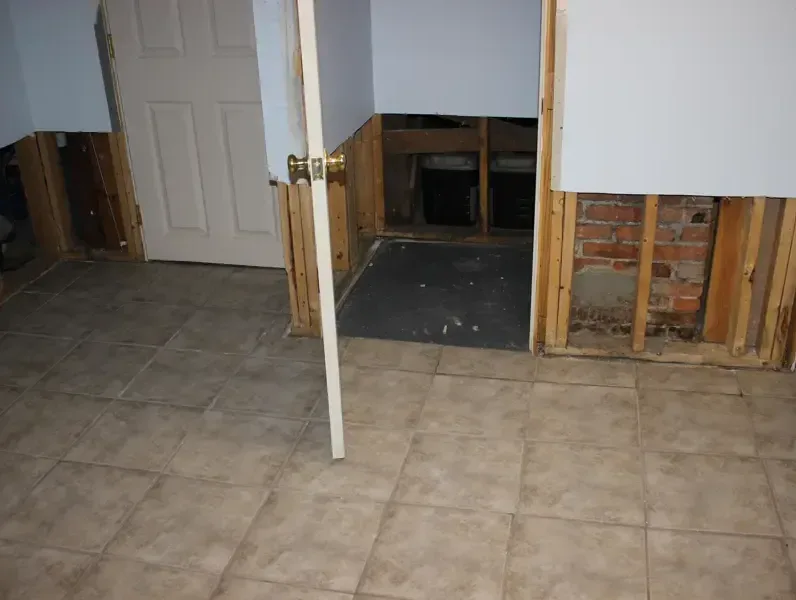
- Lower drywall cut and replaced
- Dryers run on a monitored plan
- Soaked materials hauled out
- Sanitary cleaning
- Longer drying
These are planning ranges, not quotes. A written scope after the inspection sets the real price, and insurance may cover a sudden loss depending on the policy and its limits. Open the cost calculator for a closer planning range.
Getting the claim paperwork right
Sudden water damage is often a covered loss, but policies differ. Clear records from the first day make the conversation with an adjuster easier.
Who files the claim
The homeowner files with the insurer, and the restoration crew supplies records on request. Coverage, deductibles and exclusions come from the policy itself.
Sewer backup is frequently a separate endorsement, so the policy is read before assuming it applies.
- Photos of the water and its source
- Photos of damaged floors, walls and belongings
- Moisture readings from each room
- The equipment list and drying log
- Receipts for repairs and emergency steps
What water damage drying looks like inside a home
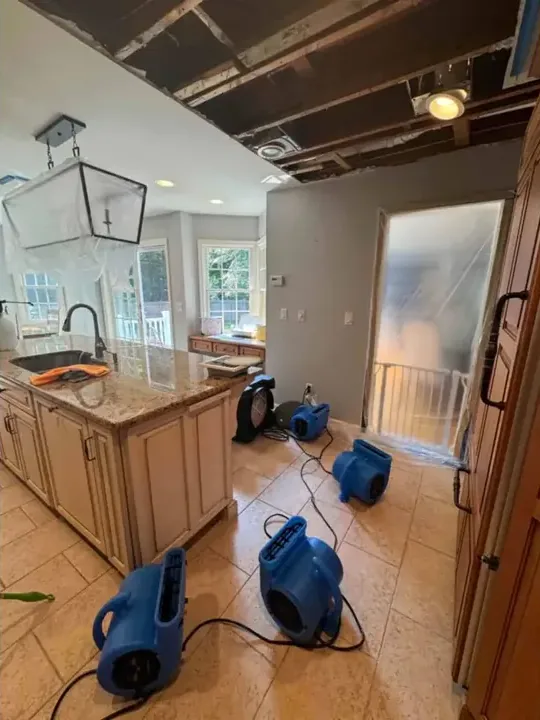
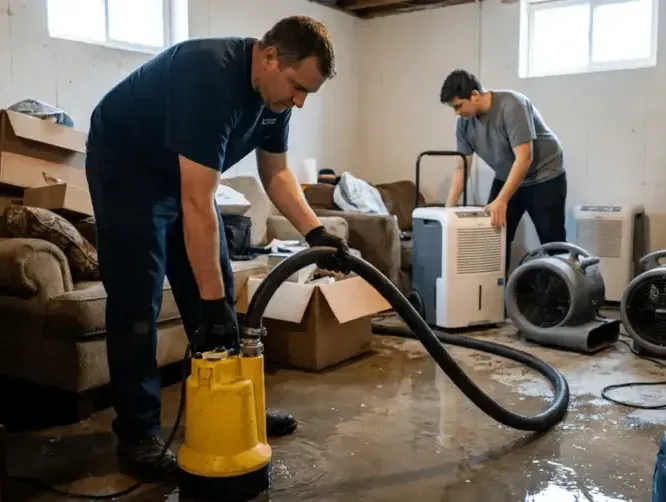
Water damage help across Mendota Heights
Main roads and landmarks
Centre Point Boulevard Victoria Curve Lexington Avenue Interstate 35E Interstate 494 Minnesota Highway 55 Minnesota Highway 62 City Hall
ZIP codes covered
Where to call when water shows up in Mendota Heights
A city of 11,744 people at the 2020 census holds a wide mix of homes, so the cause of the water matters more than the address. Burst pipes, failed pumps and drain backups each get a different first move.
Reporting the cause, the rooms touched and the type of water lets the plan form before anyone arrives.
City facts that shape a water damage response
A good plan leans on how a city handles sewer service, stormwater and winter rules. In Mendota Heights, those details come straight from city sources, not from guesses about any one street.
Each winter The city issues a Snow Emergency when more than two inches of snow falls. Winter water problems such as split pipes follow the steps for frozen pipe water damage.
- Two sewer backup tests The city says a backup that appears only while water is used in the building points to the home's own service pipe, and a qualified sewer cleaning contractor should service it. A backup with no water in use may be the city sewer, so the city is called immediately.
- Who to call after hours When there is doubt about a backup, the city says to call Public Works during normal business hours and Dakota County Dispatch after hours.
- The stormwater system City streets, curbs, gutters, catch basins, ditches and storm drains move rain under a state MS4 permit administered by the Minnesota Pollution Control Agency.
- City engineering work Engineering projects range from street reconstruction to sanitary sewer cleaning and televising, plus stormwater management and water quality work.
- Permits before projects The city advises residents to speak with the Building Official before beginning a project, which matters when repairs open walls or replace flooring.
Water damage questions
Who runs water and sewer service in Mendota Heights?
Water service comes from St. Paul Regional Water, sewer service from the City of Mendota Heights, and electric and gas from Xcel Energy. Knowing which provider is involved helps decide who to contact about a problem.
How does the city tell a home drain problem from a city sewer problem?
The city says a backup that appears only while water is being used in the building points to the home's own service pipe. A backup with no water in use may be the city sewer, so the city should be called immediately.
Who is called about a sewer backup after business hours?
When there is doubt, the city says to call Public Works during normal business hours and Dakota County Dispatch after hours. A cleanup crew can be called at the same time for the water inside.
What happens to a leak during a Snow Emergency?
The city issues a Snow Emergency when more than two inches of snow falls. A split pipe still needs the water shut off first, and the wet walls and floor are dried afterward.
Does the stormwater system keep water out of a home?
The city system of catch basins, curbs, gutters, ditches and storm drains carries stormwater under a state permit. Water that still gets into a house is a separate matter: it is extracted and the structure dried.
Does a repair after water damage need a permit?
The city advises residents to speak with the Building Official before beginning a project. That conversation settles whether a particular repair needs paperwork, and opening walls or replacing floors are the usual ones to ask about.
What does drying actually involve?
Air movers push dry air across wet surfaces while dehumidifiers pull moisture out of the room. Readings from a meter show when framing, subfloor and drywall have reached normal levels, and equipment comes out only after that.
Can carpet, padding and drywall be saved after a flood?
Clean water caught early often leaves carpet and drywall worth keeping. Sewage and long soaked materials usually go out, because cleaning cannot make them safe to keep in the house.
Which ZIP codes are covered?
Service covers ZIP codes 55118 and 55120, which are the two codes for the city. Roads such as Lexington Avenue, Centre Point Boulevard and Victoria Curve sit inside that area.
How much does water damage cleanup cost here?
Extraction plus drying runs $1,300 to $6,800, a finished basement with clean water $4,000 to $11,000, and Category 3 water in finished space $8,000 to $22,000. Size and materials decide the exact figure.
Water inside the house right now?
Report what the water touched and where it started. A crew then plans the shutoff, the pumping and the drying order.
Wet floors and walls keep absorbing, so the sooner the call the smaller the repair
Pumps, dryers and a written plan start once the water source is located and the job details are shared.