Water Damage Restoration in Rosemount, MN
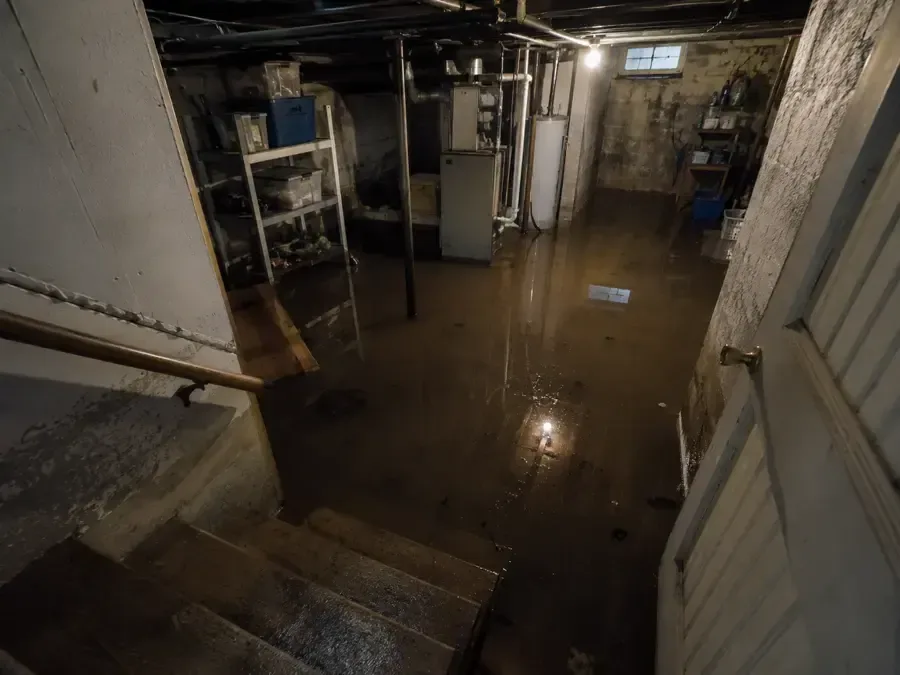
When a pipe breaks, a sump pump stalls or a storm pushes water into a lower level, the crew pulls out the standing water and dries the structure until the readings come back normal.
Pipe breaks, sump failures, sewage backups and storm water are the jobs handled here, from first extraction through drying readings.
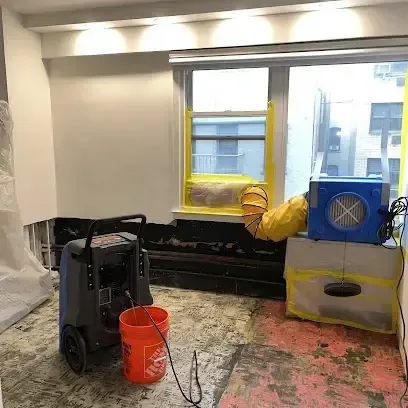
What to do while water is still spreading
- Stop the source Close the main valve for a pipe break, and leave a stalled pump or blocked drain for the crew.
- Mind the power Switch off breakers to wet rooms only from a dry panel, and stay out of standing water near outlets.
- Lift what you can Move small furniture, rugs and electronics to dry ground, and leave heavy items for the crew.
- Take photos Photograph wet walls, damaged contents and the source before anything is moved, for the claim file.
- Call for extraction Call now, any hour. Drywall, subfloor and framing keep absorbing water until it is extracted, so waiting only widens the damage.
Twelve kinds of water damage the crew handles
Each service below has its own page with steps, price ranges and a closer look at how that kind of loss is dried.
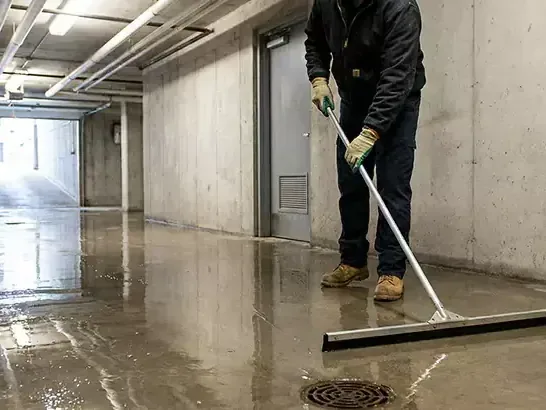 01Water Extraction and RemovalPumps and wands pull standing water off floors and out of carpet before it can wick into walls.Cat 1 to 3View
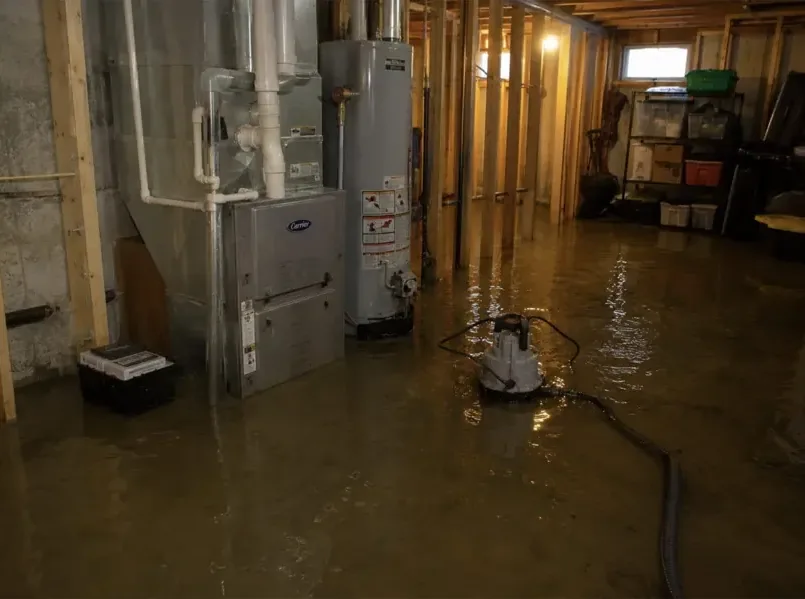 02Basement Flooding CleanupRain that fills a lower level is pumped out first, then walls and floors are dried and checked.Cat 1 to 3View
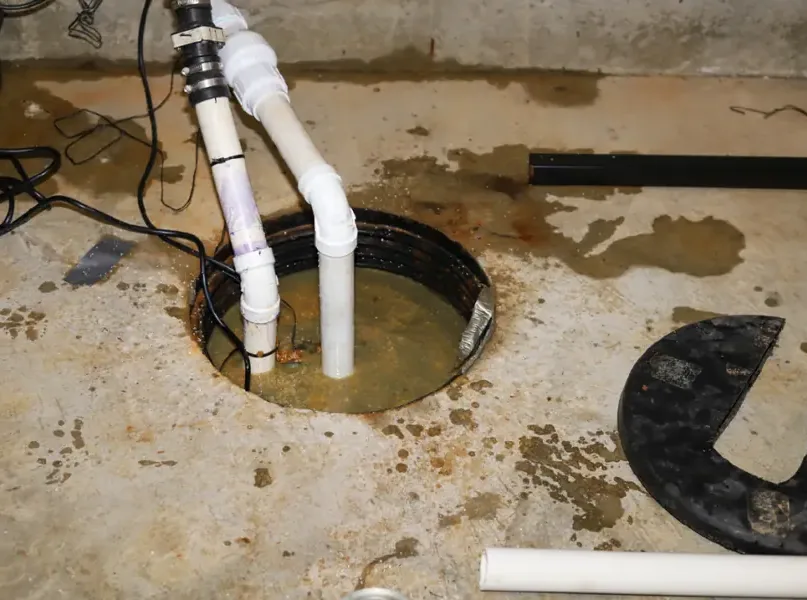 03Sump Pump Failure CleanupA stalled pump or a storm power cut can flood a lower level, so the water is stopped and extracted.Cat 2View
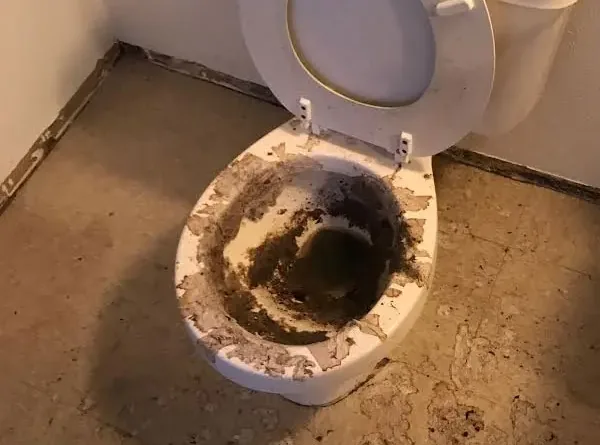 04Sewage Backup CleanupSewage is treated as contaminated, so affected materials are removed, cleaned and sanitized before drying starts.Cat 3View
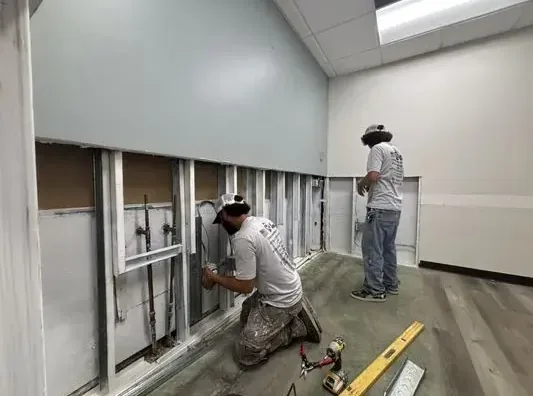 05Frozen Pipe Water DamageSplit pipes after a hard winter are shut off, then soaked walls and ceilings are opened and dried.Cat 1View
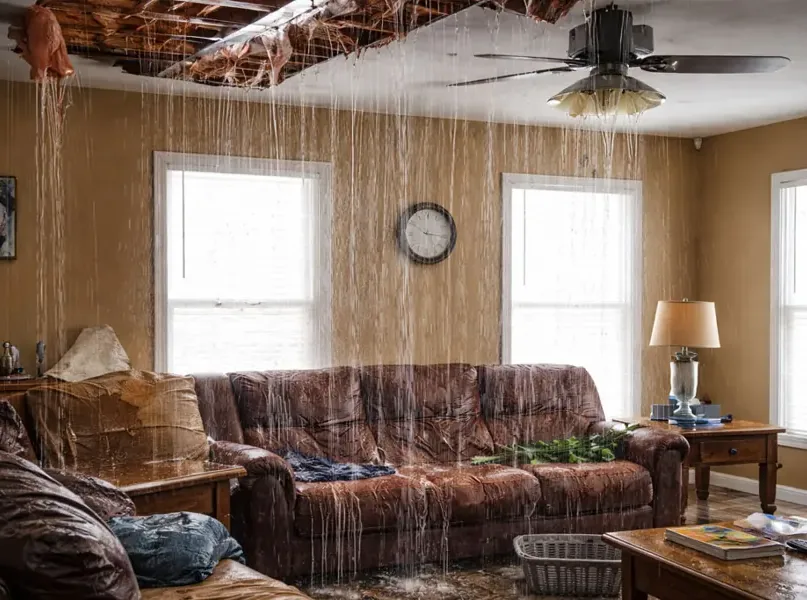 06Burst Pipe Water DamageA burst supply pipe gets the water shut off first, then wet walls, ceilings and floors are dried.Cat 1View
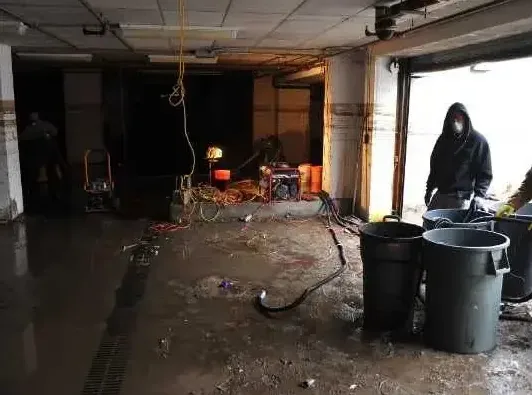 07Storm and River Flood CleanupStorm water that reaches a home is extracted, and everything it touched is dried and cleaned.Cat 3View
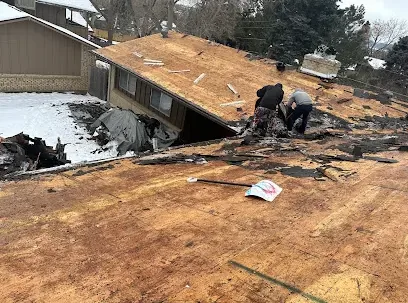 08Roof Leak and Ice Dam Water DamageRoof leaks and ice dams soak attics and ceilings, which are opened and dried to the meter.Cat 1 to 2View
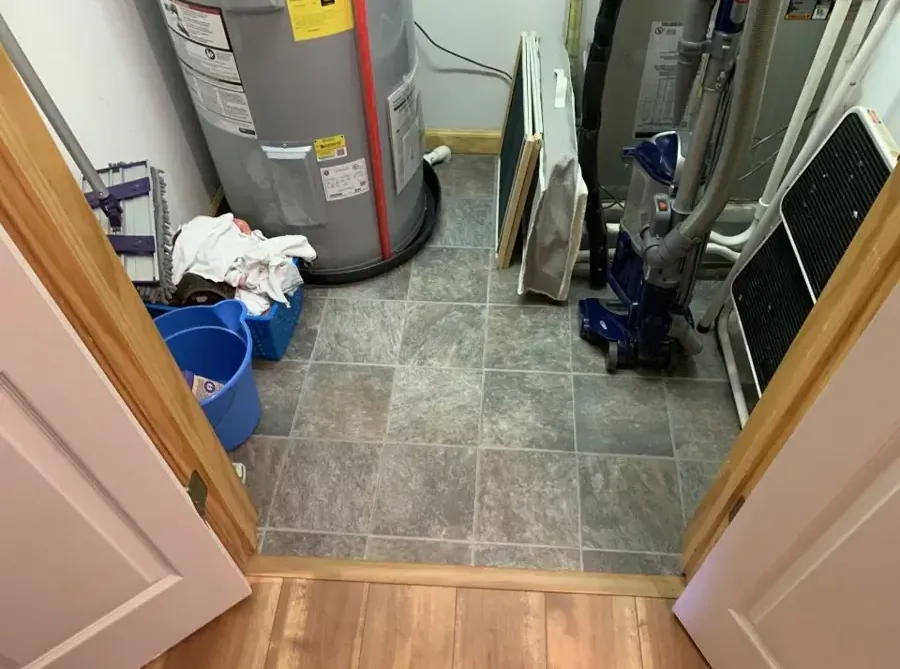 09Water Heater Leak CleanupA leaking tank is shut off and drained, then the wet utility area is extracted and dried.Cat 1View
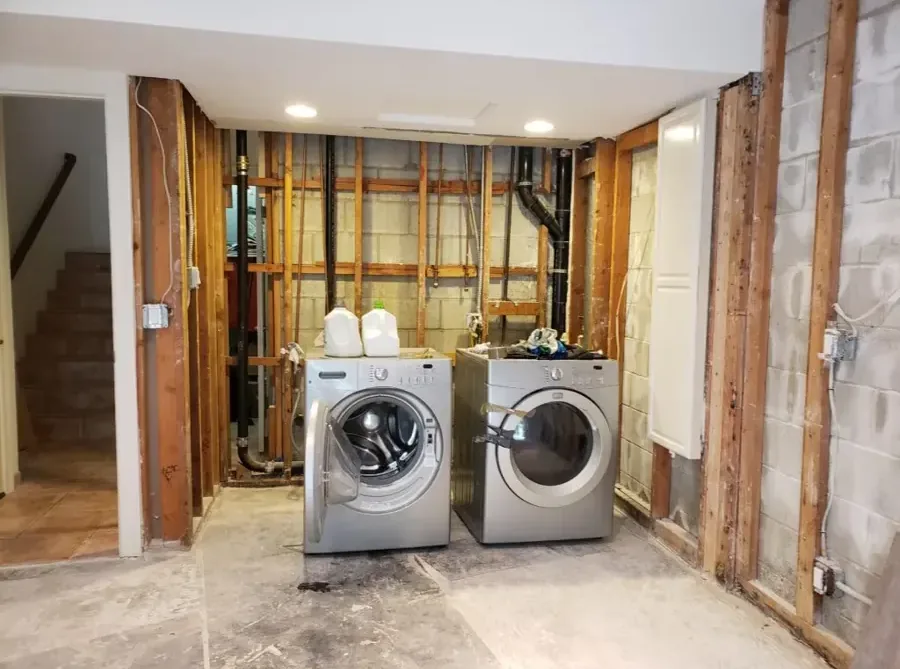 10Appliance and Supply Hose LeaksWasher, dishwasher and refrigerator leaks are stopped at the source, then floors and walls nearby are dried.Cat 1 to 2View
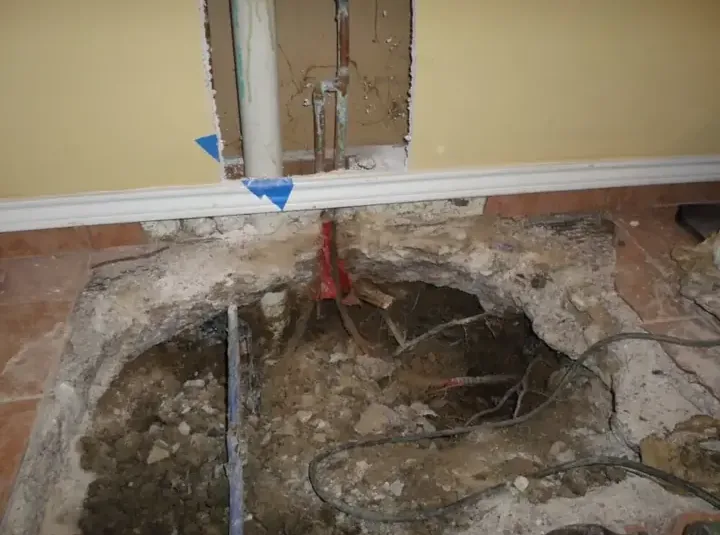 11Slab and Under-Floor Leak Water DamageA suspected leak under a slab or floor is confirmed on site before any flooring comes up.Cat 1View
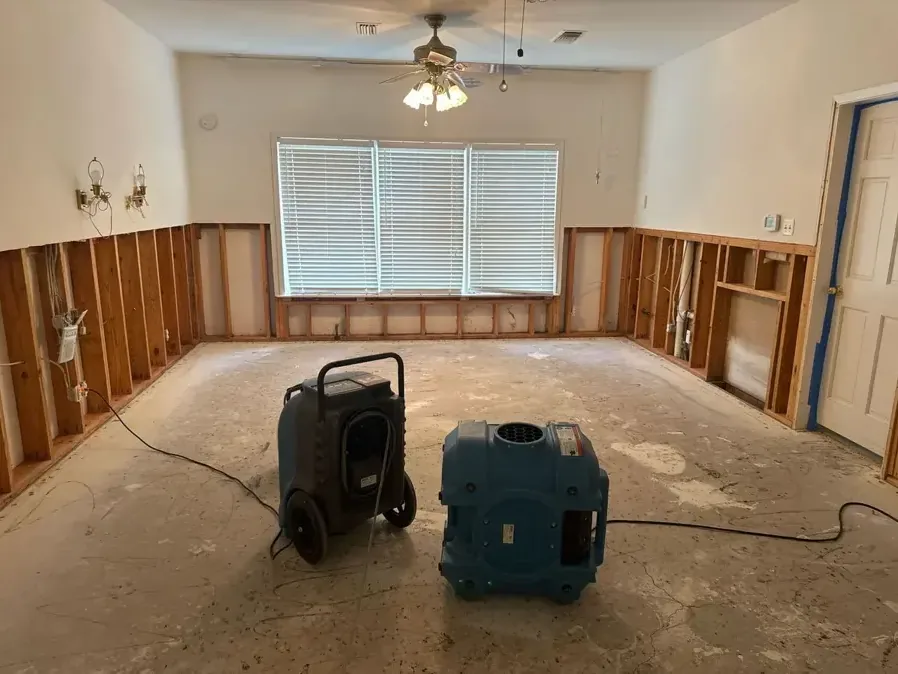 12Structural Drying and DehumidificationAir movers and dehumidifiers dry framing and subfloors, and meter readings decide when the equipment leaves.AllView
Run the numbers first
Three planning tools sized for basements, ramblers and river-town lots.
Source still a mystery?
Say what got wet and where it showed first. The source decides the drying plan.
Water damage is a drying problem, not just a cleanup
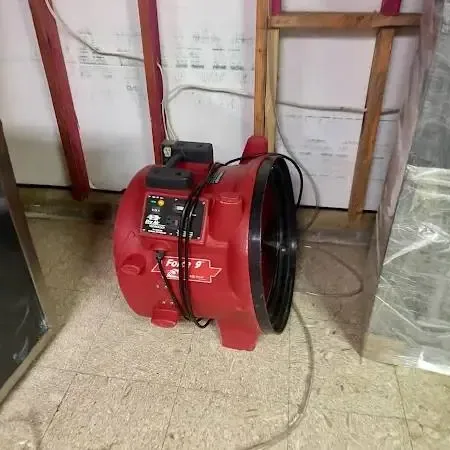
Mopping and fans leave moisture inside walls and subfloors. Meter readings, not a dry look, decide when a structure is finished, and the crew keeps checking them until the numbers settle.
Water only
The crew handles water and sewage losses, so every tool, hose and pump on the truck is picked for them.
Readings, not guesses
Moisture meters map each wall and floor, so the drying plan follows measured wet areas.
Day or night
Water does not wait for business hours, so a call can start the process at any hour.
Plain paperwork
Photos, readings and equipment logs are kept together so an insurance adjuster can follow the job.
A drying standard, not a quick pump out
The work follows an industry drying standard: water category is identified, wet materials are sorted into what dries and what goes, and equipment stays until the readings are normal. Every step is written down.
- 01Assess
Assess
The source is found and stopped, then a meter maps which walls, floors and ceilings are wet and what category the water falls into.
- 02Remove
Extract
Pumps and wands pull water off hard floors and out of carpet and pad, which takes out most of the water.
- 03Dry
Dry and dehumidify
Air movers sweep surfaces while dehumidifiers pull moisture from the room, and walls are opened where meters show trapped water.
- 04Verify
Verify
Daily readings track progress, and the equipment is removed only when every wet area tests dry and the final numbers are written down.
The drying goal: wet materials read within 2 to 4 points of a dry reference material in the same building. Equipment leaves on readings, not on a schedule.
Three losses that bring in a crew most often
The category is set on the first visit, and it decides what dries in place and what comes out.
Pipe breaks inside walls
A cracked supply pipe can soak drywall, insulation and flooring before anyone notices, so walls are opened to trace the wet spots.
See burst pipe cleanupSump pump trouble
A pump that quits during a storm or power cut lets water rise into a lower level, where it is pumped out and the floor dried.
See sump pump cleanupSewage coming back up
Backed up drains bring contaminated water indoors, which means removal, cleaning and sanitizing instead of simple drying.
See sewage backup cleanupWhat does water damage restoration cost in Rosemount, MN?
A small clean water area runs $400 to $1,200, while a finished lower level with sewage reaches $8,000 to $22,000. Size, water category and the days of drying needed set where a job lands.
- Standing water pumped out
- Air movers and dehumidifiers run
- Meters confirm dry framing
- Wet drywall and trim opened
- Flooring dried or replaced
- Larger equipment setup
- Contaminated materials removed
- Surfaces cleaned and sanitized
- Longer drying schedule
These ranges come from typical jobs and shift with square footage, hidden moisture and contaminated water. A written scope after the first moisture readings replaces any guess made by phone. Open the cost calculator for a closer planning range.
Documenting a water loss for your insurer
Adjusters want proof of what happened, so the job record builds that paper trail from the first visit while the work is still underway.
What a homeowner can do
Keep receipts for hotel stays, bottled water and temporary repairs, and set aside damaged items until the adjuster has seen them or looked at the photos.
Read the policy for water backup and sump overflow wording, since those are often separate endorsements.
- Photos of the source and every wet room
- Moisture readings from the first visit
- Daily equipment logs with dates
- A list of materials removed and why
- A written scope that matches the invoice
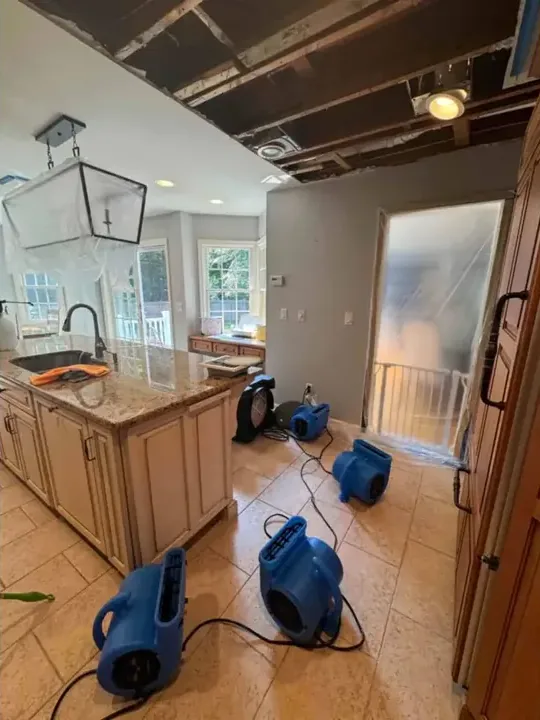
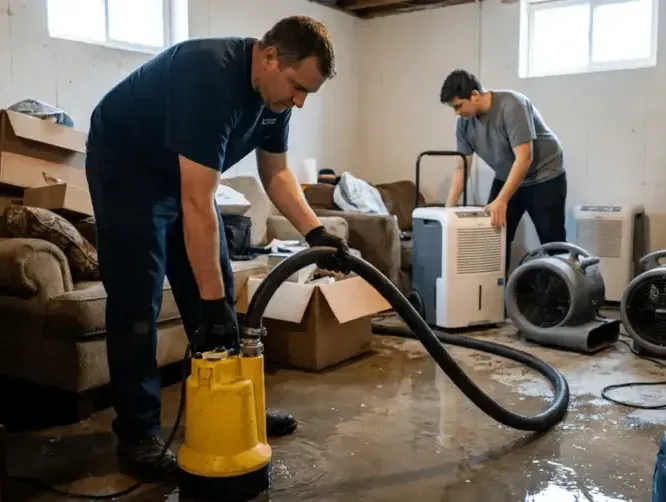
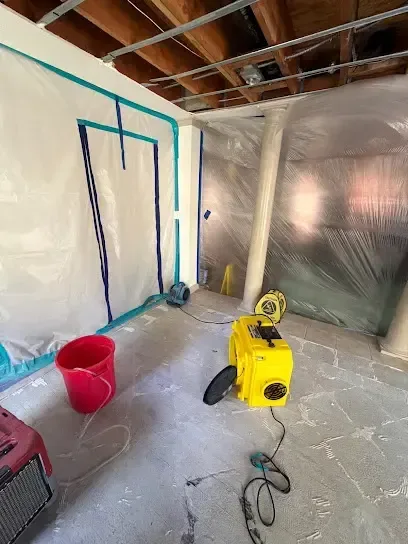
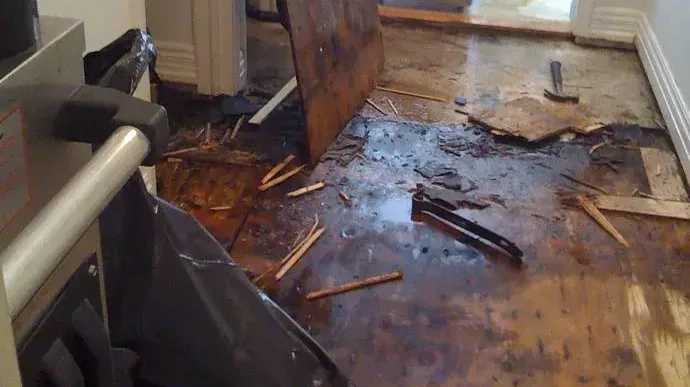
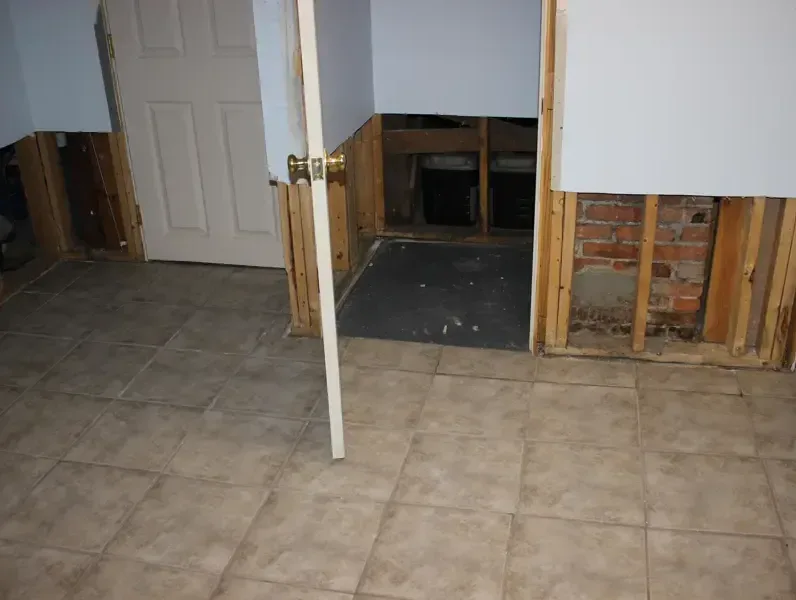
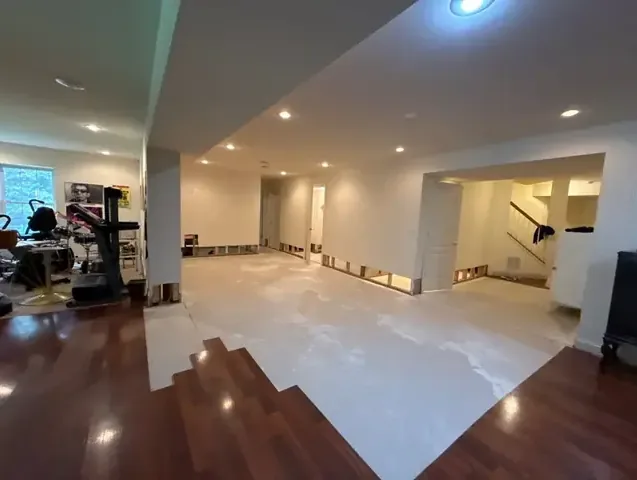
What drying work looks like inside a wet home
Water damage help across Rosemount and Dakota County
Main roads and areas
U.S. Highway 52 Minnesota Highway 3 Minnesota Highway 55 County Road 42 Dodd Road Rich Valley area Dakota County Technical College Rosemount High School
ZIP code served
Crews reach homes across the city and surrounding Dakota County
The city had 8,931 households at the 2020 census, and 41.9% of them included children under 18, so work in an occupied home is planned around daily routines.
Calls from ZIP 55068 and nearby parts of Dakota County reach the same crew, and a cross street or landmark is enough to find the home.
What shapes water damage in a growing Dakota County city
Rosemount has grown quickly, so homes vary in age and construction and no single assumption fits every house. Winter cold, spring thaw and heavy rain are Minnesota patterns, not city specific counts.
2000 to 2020 Population climbed from 14,619 to 25,650 over those two decades, and the count of housing units rose from 4,845 in 2000 to 7,853 in 2010.
- Fast growth, varied homes Each house is read on site because age and construction differ, so the crew measures moisture instead of assuming where it traveled.
- Cold season pipe breaks Hard Minnesota winters can split pipes along outside walls, garages and rim joists, and the damage often hides behind finished surfaces until a stain appears.
- Storm and rain water Heavy rain can send water into lower levels, and the city's fall yard care news item says simple yard steps can help prevent street flooding.
- Pumps and power A sump pump only works with power and a clear discharge, so a storm outage can leave a lower level exposed.
- Permits after the drying The city Building Permits and Inspections Department enforces state codes for plumbing, and simple residential roofing jobs are applied for through the city's online permit application, which matters once rebuilding starts.
Rosemount water damage questions
How fast should water be removed after a leak?
As soon as possible, since drywall, carpet pad and subfloor start absorbing water immediately. Early extraction usually shortens drying and keeps more materials in place. Waiting a day can turn a wet floor into a job that needs walls opened.
What does the first visit include?
A technician finds and stops the source, checks the water category, maps wet areas with a moisture meter and sets up extraction. The plan and equipment list follow from those readings. Photos are taken for the claim file.
Are building permits involved after water damage?
The city Building Permits and Inspections Department enforces state building codes for plumbing, building and other trades, and simple residential projects such as roofing are applied for through the city's online permit application. Ask the city about any repair beyond drying.
What if the water is sewage?
Sewage water is contaminated, so porous items like carpet, pad and soaked drywall usually go out, and hard surfaces get cleaned and disinfected before drying. The crew wears protective gear throughout.
Can a stalled sump pump flood a lower level?
Yes. A pump that fails, loses power or has a blocked discharge lets water rise through the floor or walls, and the response is to stop the water, pump it out and dry the space.
How do frozen pipes cause water damage?
Ice can split a pipe, and the leak often shows only after a thaw. Pipes along outside walls, in garages and at rim joists are the usual weak points in Minnesota winters.
How long does structural drying take?
It depends on the materials, the amount of water and the equipment placed. Daily meter readings show progress, and the crew stays until the wet areas test dry instead of working to a fixed number of days.
Does roof leak damage count as water damage?
Yes. Roof leaks and ice dams soak insulation, attic framing and ceilings, and those materials are opened and dried even when a roofer handles the exterior repair. Policy wording varies, so the adjuster decides coverage.
Who handles leaks from a washer or water heater?
The same crew handles them. The source is shut off, the tank or hose is drained, and the wet floor and nearby walls are extracted and dried, while the repair itself goes to a plumber.
When should a homeowner call about a wet spot?
Call at any hour once water is standing, spreading or coming back. Even a small damp patch can mean a hidden leak, and a moisture reading settles whether drying is needed.
Water on the floor right now?
Stop the source if it is safe, keep people out of wet rooms, and call for extraction before the water soaks further into walls and floors.
Water spreading through a Rosemount home needs a crew, not a wait
Call now, any hour. A technician walks through the source, the wet rooms and the next steps.