Sewage Backup Cleanup in Cottage Grove, MN
Sewage that comes up through a floor drain or toilet carries bacteria into everything it touches. The crew treats it as Category 3 from the start, removes soaked porous materials, applies an EPA-registered antimicrobial and dries.
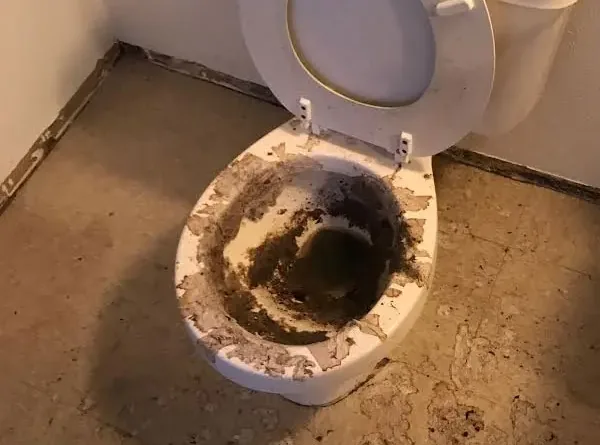
First steps for sewage backup cleanup
- Stop using waterNo flushing, showers or laundry until the drain is clear.
- Keep everyone awayChildren and pets stay out of the area.
- Leave the furnace offIf sewage reached it, do not run it.
- Photograph itTake pictures before anything is moved.
How sewage backup cleanup is handled
- 01Assess
Contain
Seal the area and set negative air.
- 02Remove
Remove
Soaked porous materials come out.
- 03Dry
Treat
Clean, then EPA-registered antimicrobial.
- 04Verify
Dry
Air movers and LGR until readings pass.
The drying goal: wet materials read within 2 to 4 points of a dry reference material in the same building. Equipment leaves on readings, not on a schedule.
What does sewage backup cleanup cost in Cottage Grove, MN?
Sewage backup cleanup here typically runs $2,500 to $15,000. A small backup on an unfinished floor costs the least; a finished basement where carpet, pad and drywall must come out costs the most, because removal and treatment add labor.
- PPE and containment
- Cleaning and antimicrobial
- Slab drying
- Carpet and pad removed
- Flood cuts
- Structural drying
- Full porous removal
- Negative air
- Claim documentation
Ranges are typical, not a quote: the water category, square footage, material class and how fast drying started move the number most. Run the water damage cost calculator for a closer planning range.
A sewage backup is the most urgent water loss in a house. The water carries bacteria and viruses, so the job is not just drying: everything porous that it soaked has to come out, and every surface left behind is cleaned and treated before drying starts.
How the crew handles a backup
- Containment and negative air where the backup reached finished space
- PPE: respirators, gloves, boots and protective suits
- Carpet, pad and insulation removed, and drywall cut well above the water mark
- Cleaning, then an EPA-registered antimicrobial left on for its label dwell time
- Structural drying with daily readings
Why backups happen here
Most backups start at a basement floor drain. Homes from the late 1950s and 1960s have aging sewer laterals that roots and grease narrow over time, and heavy storms can push water back up the drain. A backwater valve on the drain lowers the risk. The OSHA site sets out the protective equipment rules crews follow, and the CDC has health information on contact with sewage and floodwater.
What the household should not do
Do not run water, flush or start the washer until the drain is cleared. Keep children and pets away, do not use a household vacuum, and leave soaked items in place for photos. A plumber clears the blockage; the restoration team cleans up what came out and then handles the structural drying.
Sewage backup cleanup across the city and the east metro
The restoration team covers ZIP 55016 end to end, from Old Cottage Grove and Langdon to the Thompson Grove ramblers west of Highway 61, River Acres and Grey Cloud Island on the Mississippi, and the newer streets off Ravine Parkway in East Ravine.
Nearby coverage reaches Woodbury, Inver Grove Heights, Hastings, Rosemount, Mendota Heights.
Sewage Backup Cleanup questions in Cottage Grove, MN
Can carpet be saved after a sewage backup?
No. Carpet and pad touched by sewage are removed. Hard surfaces such as tile, concrete and sealed wood can usually be cleaned and treated.
Is it safe to clean up sewage without a crew?
Small, contained spills on hard floors can be handled with gloves and disinfectant. Anything that soaked carpet or drywall needs PPE, containment and removal of porous materials.
Does insurance cover a sewer backup?
Many standard policies exclude it unless a water backup endorsement was added. Check your own policy and photograph everything before it is removed.
Who clears the clogged drain?
A plumber clears the blockage or repairs the sewer lateral. The restoration team removes the sewage, cleans, treats and dries the space.
How long does sewage backup cleanup take?
Removal and cleaning usually take one to two days, then drying runs three to five more days until the readings pass.
What does sewage backup cleanup cost?
Usually $2,500 to $15,000, depending on how much finished space it reached and how much material comes out.
Still dealing with it?
Category 3 removal, antimicrobial treatment and structural drying, day or night.
Sewage backup? Keep everyone out and get it cleaned properly.
Category 3 removal, antimicrobial treatment and structural drying, day or night.