Water Extraction and Removal in Hastings, MN
Whether the water came up from the river, in from a storm or out of a broken pipe, pumps and wet vacuums take it off the floor before drying equipment goes in.
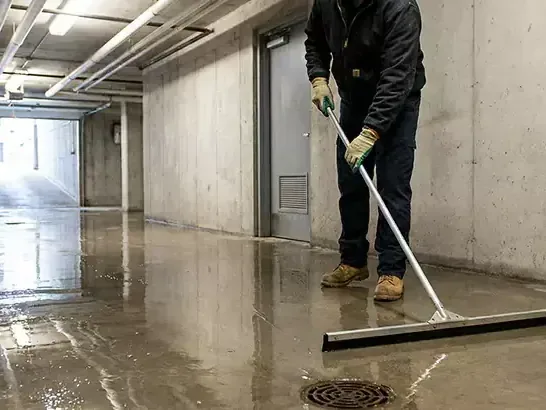
First steps for water extraction and removal
- Find the sourceShut off the supply or note the river, rain or pump cause.
- Pump the bulk outSubmersible pumps handle depth, wet vacuums take the rest.
- Remove soaked materialsCarpet pad, wet insulation and ruined drywall are bagged out.
- Measure and hand offMeters decide how much drying the structure needs next.
How water extraction and removal is handled
- 01Assess
Walk the water
Depth, source and contamination are noted.
- 02Remove
Set the pumps
Submersible and wet units start at the lowest point.
- 03Dry
Clear the wet items
Soaked pad, trim and insulation leave the room.
- 04Verify
Hand off to drying
Moisture readings set the drying plan.
The drying goal: wet materials read within 2 to 4 points of a dry reference material in the same building. Equipment leaves on readings, not on a schedule.
What does water extraction and removal cost in Hastings, MN?
Small clean water jobs run $400 to $1,200, basement level extraction runs $900 to $1,800, and extraction plus a full drying plan runs $1,300 to $6,800 depending on depth, materials and time.
- Wet vacuum extraction
- One room or less
- Basic moisture check
- Submersible pump work
- Drain and pit check
- Wet carpet pulled
- Pumping and vacuuming
- Air movers and dehumidifiers
- Readings until dry
Ranges are typical, not a quote: the water category, square footage, material class and how fast drying started move the number most. Run the water damage cost calculator for a closer planning range.
Extraction is the first job on almost every water loss in Hastings, because water left on a floor keeps soaking into drywall, subfloor and framing. The crew works from the lowest point up, removes what the water ruined and sets the room up for drying, with photos and readings logged for the insurance file.
What gets pumped and vacuumed
- Standing water on basement floors, garages and ground level rooms
- Water trapped in carpet pad, under flooring and behind baseboards
- Floodwater that came in through a floor drain or low opening
- Water pooled in utility rooms below a failed tank or hose
Deep water needs submersible pumps, shallow water needs wet vacuums, and a squeegee finishes the last film on hard floors before drying starts. Each pass is checked with a meter before the next step.
River water versus clean water
The Mississippi River forms most of the northern border of Hastings, the Vermillion River crosses the south, and city staff follow river forecasts at Lock and Dam No. 2 each spring. Water that came from a river or a sewer is treated as contaminated, so porous materials are bagged out, while a clean pipe leak can often be dried in place.
Why drying follows right behind
Once the visible water is gone, the floor still holds moisture. Meters check the subfloor, wall bases and carpet pad, and the readings decide whether drying equipment goes in for structural drying. A flooded lower level is covered under basement flooding cleanup.
Water extraction and removal across Hastings and nearby communities
The crew covers ZIP 55033, including Downtown Hastings and East Hastings, the Vermillion Street and Minnesota Highway 55 corridors, and the blocks closest to the Mississippi River, where spring rises and heavy rain send water into lower rooms first.
The same service nearby: water extraction and removal in Cottage Grove, Rosemount, Inver Grove Heights.
Water Extraction and Removal questions in Hastings, MN
What is the difference between extraction and drying?
Extraction removes liquid water with pumps and vacuums. Drying removes the moisture left in wood, drywall and concrete with air movers and dehumidifiers. A job usually needs both, in that order.
Does river water get removed the same way as clean water?
The pumping is similar, but river water is treated as contaminated. Soaked pad, insulation and other porous materials are discarded, and hard surfaces are cleaned and disinfected before drying.
How is standing water pumped from a finished floor?
Wet vacuums and low profile extraction tools pull water out of carpet and off hard flooring without tearing everything up first. Pad that cannot be saved is pulled out right after.
What should a homeowner do while waiting for help?
Shut off the water source if it is safe, turn off power to wet areas, lift small items off the floor and photograph the water. Do not walk through deep water near outlets.
How deep can standing water get before it is a bigger job?
Depth matters less than what the water touched. A few inches in a finished room can soak flooring and walls, while deeper water in an unfinished area may only need pumping and drying.
Can extraction alone fix a wet floor?
Rarely. Extraction takes the liquid away, but the subfloor, wall bases and carpet pad still hold moisture that needs structural drying to reach the dry standard.
Still dealing with it?
Say how deep the water is and which rooms it reached, and a pumping plan follows.
Standing water in a Hastings home needs to come out. Call now, any hour
Say how deep the water is and which rooms it reached, and a pumping plan follows.