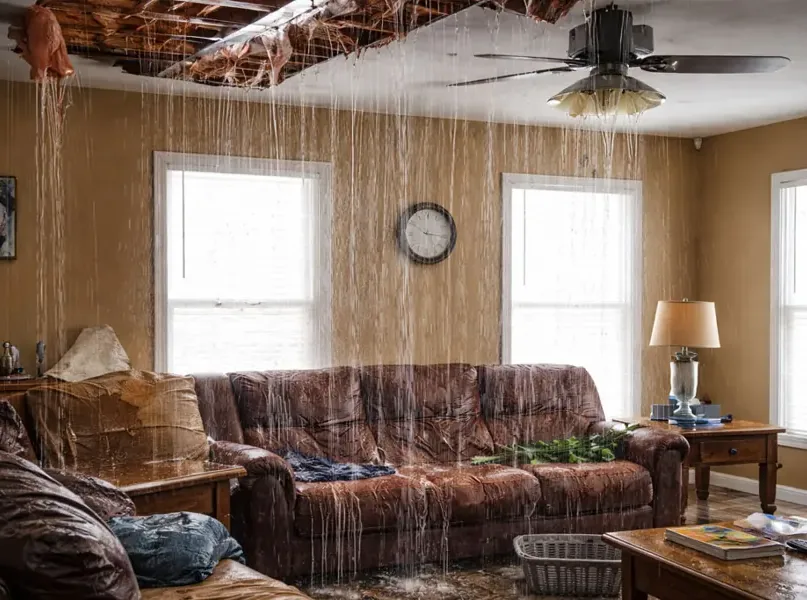
A burst pipe can be a problem inside the walls of a house or a problem in the street, and each calls for a different response. In Woodbury the city Utility Division runs the water system, and plumbing inside the house is a separate repair.
Key takeaways
- The city Utility Division provides water and sanitary sewer service to most residents, and it repairs hydrants and water mains.
- Water showing in a wall, ceiling or floor points to house plumbing; water surfacing outdoors near the curb may point to the city side.
- The first step is to shut off the water at the home, then deal with electrical hazards.
- Burst pipes are a cold season risk across the Twin Cities area.
- Extraction and drying should begin before wet drywall and insulation hold water for days.
Where a pipe can fail in Woodbury
The Utility Division operates wells, water storage and water treatment facilities. It also flushes and repairs hydrants and water mains, and it reads water meters.
Everything on the house side of the connection, from the shutoff to the faucets and water heater, is plumbing inside the home.
The distinction matters because the response is different. A city main is a public utility matter, while a burst pipe in a wall is a household repair with a drying job attached.
The city side
A water main break usually shows outdoors, with water flowing in the street or yard and pressure dropping for several homes at once.
The house side
A pipe that bursts in a wall, ceiling or floor shows as stains, dripping, a wet floor or the sound of running water.
How to tell which side, and what to shut off first
These are quick checks, not a diagnosis. A plumber confirms where the break is.
- Turn off every fixture and watch the water meter. If it keeps moving, water is escaping somewhere past the meter.
- Look outdoors near the curb for pooling water or a wet patch in dry weather.
- Check ceilings and walls under bathrooms and above lower levels.
- If neighbors also lost pressure, the city side is more likely.
What to shut off first
If the main shutoff will not close or the leak is in the street, the city Utility Division is the contact for the water system.
- Close the main water shutoff for the house.
- Open a lower faucet to drain pressure from the pipes.
- Turn off power to the wet area if water is near outlets or fixtures, from a dry spot.
- Move belongings away from the wet area and photograph the damage.
When the main shutoff will not turn
A main shutoff valve that sits unused for years can stick or weep at the stem. A household that has never turned its valve is better off testing it on a calm day.
- Turn the valve fully once and back, and note which way closes it.
- Tag the valve so anyone in the house can find it.
- If it will not close, the city Utility Division is the contact for the water system.
What the drying crew does
Extraction first
Water extraction removes standing water from floors and carpet so it stops moving into walls.
Opening and drying
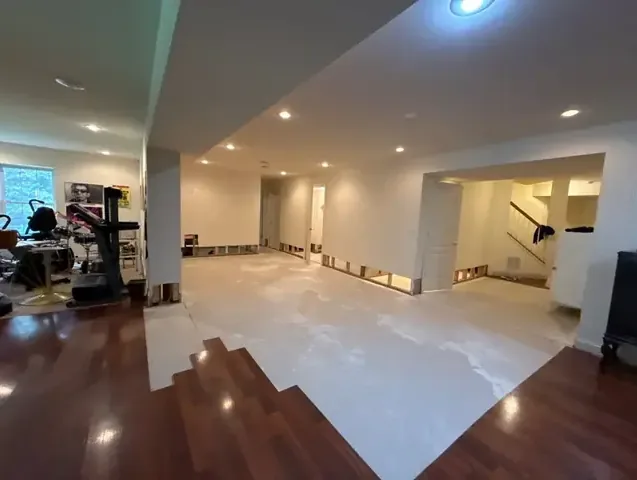
Ceiling and wall materials are opened where moisture meters show water behind the surface. Dehumidifiers and fans then dry the cavity and the structure.
Burst pipe water damage cleanup logs the readings on each visit until framing reaches a dry reference.
Because a burst pipe can run for a long time, the crew also checks the floor below and the cabinets nearby, where water often collects.
What the first visit maps
On the first visit, the crew maps the water. Floors, walls, ceilings and cabinets are scanned with meters, and wet areas are marked.
The map becomes the plan, and it is checked again on each later visit to show what has dried.
Hidden water: late finds, ceilings below and wall cavities
A pipe that bursts while a household is away can run for a long time. Water follows framing downward and soaks ceilings, walls and floors on several levels.
Water that finds its way into a light fixture or a wall outlet creates a safety problem as well as a damage problem. Power to the affected circuit is turned off before anyone touches the ceiling.
- Ceilings below sag or stain.
- Floors cup and buckle.
- Insulation and drywall hold water for days.
- Baseboards and door casings swell where they meet the floor.
Ceilings below and wall cavities
A burst pipe on an upper floor sends water down through the floor into the room below. Light fixtures can fill with water, and insulation above a ceiling can hold it.
- Bulging or stained ceilings are opened so water can drain in a controlled way.
- Wet insulation is usually removed.
- Hardwood and laminate may cup or buckle as they take on water.
- Cabinets under a leaking sink supply can hide water for days.
Clean water, and why speed still matters
A burst supply pipe carries clean water, which allows more materials to be dried instead of removed when the response is quick.
The longer clean water sits, the more it picks up from building materials and the less likely it is to stay clean. Speed protects the materials that can still be saved.
Cold season prevention across the Twin Cities area
Burst pipes are a cold season risk across the Twin Cities area. The pattern is regional, not tied to one Woodbury event.
The main burst pipe water damage page covers the steps that apply in any home.
Frozen pipes split along weak spots, and the break often shows only after the thaw, when water begins to flow again.
- Insulate exposed pipes in garages and along outside walls.
- Let a faucet trickle on the coldest nights.
- Keep the heat on when away.
- Learn where the main shutoff is before it is needed.
- Disconnect garden hoses before the first hard cold and shut off outdoor spigots.
Records that help afterward
Photographs of the burst pipe, the water damage and the shutoff valve help an insurance claim. A note of when the water was shut off and what readings were taken keeps the sequence clear.
The Woodbury water damage pages list the services that follow a pipe failure.
Questions
How can a water meter show a leak?
With every fixture off, a meter that keeps moving points to water escaping somewhere past the meter.
What should be shut off first after a pipe bursts?
The main water shutoff for the house, then power to the wet area if water is near outlets.
Is burst pipe damage only a winter problem?
Cold weather raises the risk across the Twin Cities area, but supply pipes can fail in any season.
Why is a ceiling below a burst pipe opened?
Water collects above the drywall and in insulation. Opening it lets the water drain and lets the cavity dry.
Is water from a burst supply pipe contaminated?
It starts clean. If it sits long enough in wet materials it can become contaminated, which is why removal starts early.
Does the city repair pipes inside a house?
The Utility Division handles the water system, including mains and hydrants. Pipes inside a house are a private plumbing repair.